Tesla Battery Swapping: Why It Failed and Is It Coming Back?

Is Tesla Battery Swapping the future of charging electric cars (EV)? The question is an interesting part of EV history. The idea is simple. Instead of waiting 20 to 40 minutes to charge a car, a driver pulls into a station. Workers quickly swap the empty battery pack for a full one. It sounds like a perfect fix for worrying about car range and long charging waits.
The short answer is No. Battery swapping is not the future for Tesla. It works well and is a successful plan for other car makers, especially Nio.
Tesla started the idea, but later stopped doing it. Today, the company only focuses on its Supercharger network. The success of companies like Nio proves the technology still works. In the article, we will look at Tesla’s try and why it failed. We will also see why battery swapping is working well for others. This provides a comprehensive overview of key EV technologies.
Check out How Fast Can You Charge a Tesla Battery? for quick charge tips.
The Rise and Fall of Tesla Battery Swapping
Tesla once seriously considered swapping batteries. The company thought about swapping when charging speeds were much slower than they are now.
2013 Demonstration and 90-Second Promise
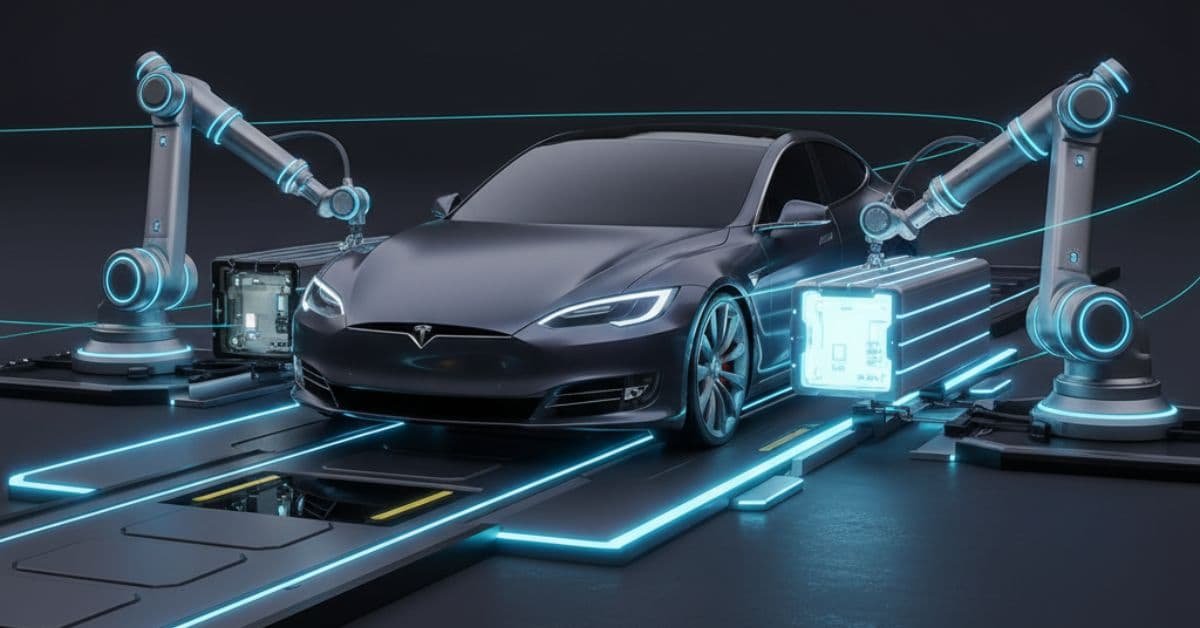
In June 2013, Tesla had a well-known event at the Harris Ranch Supercharger station in California. Tesla demonstrated an automated battery-swapping system. Tesla promised to change a Tesla Model S battery pack in under 90 seconds. Ninety seconds is faster than filling a car with gas.
The demonstration looked great. A Model S drove onto a platform. The machine below quickly removed the dead battery. The machine was put in a new, fully charged battery. The driver stayed inside the car. The whole job took only 90 seconds. This time was much faster than the 20 to 30 minutes it took for a Supercharger charge then. The event was supposed to prove that Tesla Battery Swapping could remove the slowdown electric cars had compared to gas cars.
Read more about How Tesla Battery Packs Work for deeper EV tech insight.
Why Elon Musk Abandoned Swapping
The program did not become popular, even after the good demonstration. By the year 2015, people hardly used the single test station at Harris Ranch. Tesla then quietly stopped the project.
Elon Musk, Tesla’s CEO, later explained his decision. He gave two main reasons:
1. Few customers wanted the service: Musk said very few customers cared about the program. Most customers preferred using the Supercharger network, even if it meant waiting longer.
2. Supercharging became faster: Tesla quickly made its Supercharger technology better. The time it took to charge dropped a lot. The new V3 Superchargers could add 175 miles of driving distance in about 15 minutes. This reduced the need for a complex, costly battery-swapping system. Musk decided that it was easier and better for most people to plug in their cars.
See details in How Long It Takes Using Solar Power for charge-time facts.
Technical Challenges and Standardization
There were big technical problems beyond what customers wanted. For battery swapping to work well, every battery pack must be the same size, shape, and have the same hook-ups. Tesla updates its battery parts and pack design all the time, so this is a huge problem. Also, safely and strongly unbolting and re-bolting a high-voltage battery pack for the car’s whole life was more complicated than people first thought.
Why Battery Swapping Works Elsewhere
Tesla stopped using battery swapping, but the idea is not a failure worldwide. Other companies use it as a successful business model. This proves the technology has an important place in the future of electric cars.
Nio’s Battery as a Service (BaaS)
The Chinese car company Nio shows the best example of battery swapping today. Nio built its whole business model around swapping batteries. It calls the plan “Battery as a Service” (BaaS).
Nio’s plan solves the problems Tesla had:
- Standardization: Nio cars use the same, easy-to-swap battery packs.
- Ownership: Customers buy the car but rent the battery. Renting makes the price lower. It also removes the worry that the battery will get old, since Nio owns and maintains the battery.
- Convenience: Nio’s Power Swap Stations can swap a battery in only three minutes.
Nio had become very big by the middle of 2025. Its network has finished tens of millions of swaps. The network averages more than 97,000 swaps every day.
Advantages Over Supercharging
Battery swapping offers clear advantages that Supercharging cannot match:
| Feature | Battery Swapping (Nio) | Fast Charging (Tesla Supercharger) |
|---|---|---|
| Time to Full | ~3 minutes | 20–40 minutes (to 80%) |
| Battery Health | Always receives a healthy, well-maintained pack | Degradation managed by onboard BMS |
| Initial Cost | Lower vehicle cost (battery leased) | Higher vehicle cost (battery included) |
| Grid Impact | Packs charge slowly off-peak → improves grid stability | High, sudden power demand on the grid |
The speed of the swap is the most apparent advantage. The swap also greatly helps the electric power grid. Swapping stations charge the extra batteries slowly when people use less electricity. This acts like a huge power storage system. The system helps to keep the local power grid steady.
Addressing Degradation and Upgrades
The BaaS model solves two big concerns for people who buy electric cars: when the battery wears out and how much a new one costs.
Degradation: Nio owns the battery. The customer does not worry about how long the battery will last. Nio takes care of all the batteries and keeps them working well.
Technology Upgrades: BaaS lets customers easily upgrade to a newer, better battery. For example, they can get a bigger battery or one with new parts. The owner does not need to buy a new car to get new battery tech.
Tesla Technical and Financial Hurdles
Tesla’s current battery design makes it almost impossible to bring back Tesla Battery Swapping for its newer cars.
The Structural Battery Pack Design
The biggest problem is Tesla’s change to the structural battery pack in newer cars like the Model Y and Cybertruck. In the latest design, the battery cells are mounted directly into the car’s frame. This design is a strong part that helps the car be stiffer and lighter.
Integration: The battery pack is not a simple box that can be removed. It is a central part of the car’s structure. It is glued in place and connects to the seats and other parts.
Impossibility of Swapping: Removing a structural battery pack is a difficult, time-consuming service job. It is not an automated swap that takes 90 seconds. The design makes it easier to build the car and helps the car run better. It does not allow for swapping the battery.
The choice of this design shows Tesla now uses its Supercharger network as the only way to add energy to the car quickly.
Cost and Infrastructure Investment
Solving the technical problems still left a huge financial cost to build a battery-swapping network across the whole country.
Inventory: A swapping network needs many extra, fully charged batteries at every station. Buying these batteries costs a huge amount of money.
Logistics: Keeping track of, managing, and moving thousands of batteries across the network is a hard job every day.
Tesla correctly figured out that investing in its Supercharger network was better. Superchargers only need equipment to send power, which is easier to scale up and down for the company’s growth around the world.
Supercharger Network Dominance
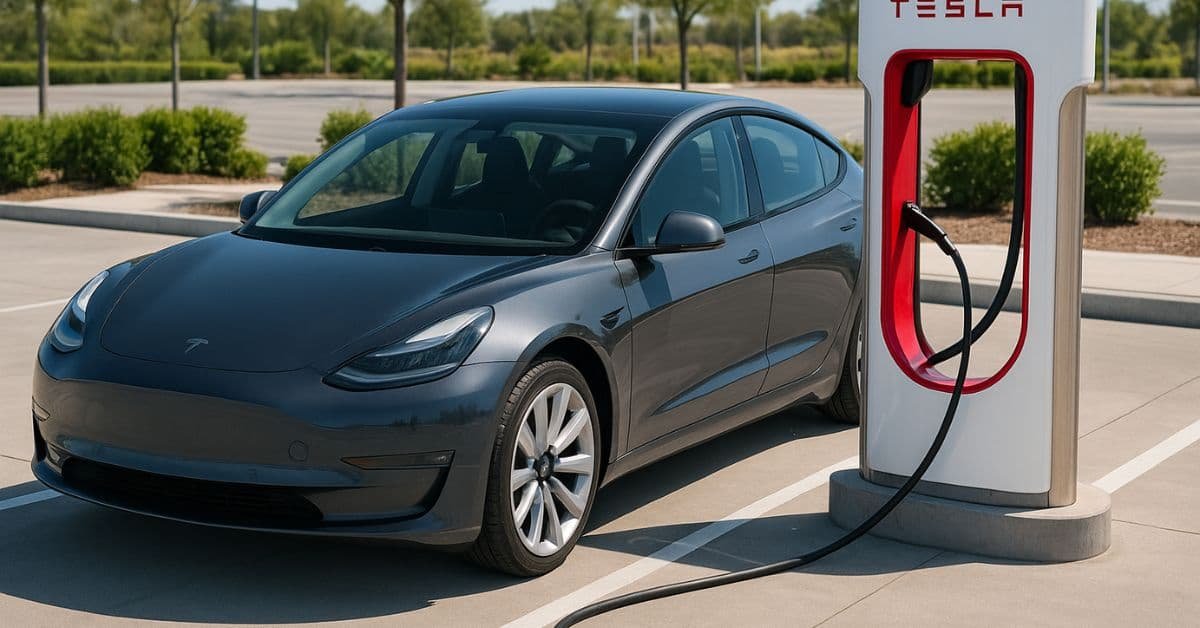
Tesla Battery Swapping failed because the Supercharger network became very successful. The network is the biggest and most reliable fast-charging network in the world. Charging speeds got faster. The time saved by swapping a battery became less important for most drivers. Most drivers charge their cars at home. Tesla decided to focus more on charging. That choice has been good for their business.
Actionable Advice for Tesla Owners
Battery swapping is now a historical note for Tesla owners, now and in the future.
Embrace Supercharging: Use the Supercharger network without worry. Tesla’s battery system is made to keep your battery safe.
Focus on Best Practices: Follow the 80% rule when charging. Use the car’s navigation system to prepare your battery for the fastest, best charge.
Don’t Wait for a Swap: Tesla will not bring back battery swapping. The company is now working to make charging faster and to adopt a new structural battery design.
FAQs
Does Tesla offer battery swapping now?
No, Tesla does not offer battery swapping for any of its cars at this time. The company tested the swapping program a little in 2014. It quickly stopped the program and chose the Supercharger network instead.
How fast is Nio’s battery swap compared to a Supercharger?
Nio’s newest Power Swap Stations can finish a full battery swap in about 3 minutes. A Tesla Supercharger session usually takes 20 to 40 minutes to reach an 80% charge. The time depends on the car model and the station’s power.
What is Battery as a Service (BaaS)?
Battery-as-a-Service (BaaS) is a way to sell cars. The customer buys the electric car but rents the battery from the company. This rental reduces the car’s initial cost. It also allows the customer to use battery-swapping services.
Why did Tesla’s battery swap fail, but Nio’s succeed?
Tesla’s program failed mostly because customers were not very interested. Also, Supercharger speeds increased quickly. Nio’s program succeeded because it combined battery swapping with a complete BaaS model. The BaaS model lowers the car’s price and provides a fast way to get more energy that customers like.
Can the new Tesla structural battery pack be swapped?
No. The structural battery pack is a key part of the car’s frame. It is glued to the frame. The design makes the pack a lasting piece, so a fast, automatic swap is not possible.
Conclusion
Tesla tried battery swapping, but it failed. The technology still lives on. Tesla chose faster Supercharging and structural batteries. These new parts make swapping batteries impossible for their new cars. Companies like Nio show that swapping can work. They use a good design, use the same parts, and have a good way to make money. Tesla owners will keep using Supercharging. They should follow the best practices for charging their batteries. Owners should not think battery swapping will come back.
Check out Best Ways to Extend Tesla Battery Life for longer battery health.