
Charging Your Electric Car with Solar Panels: The Complete Guide

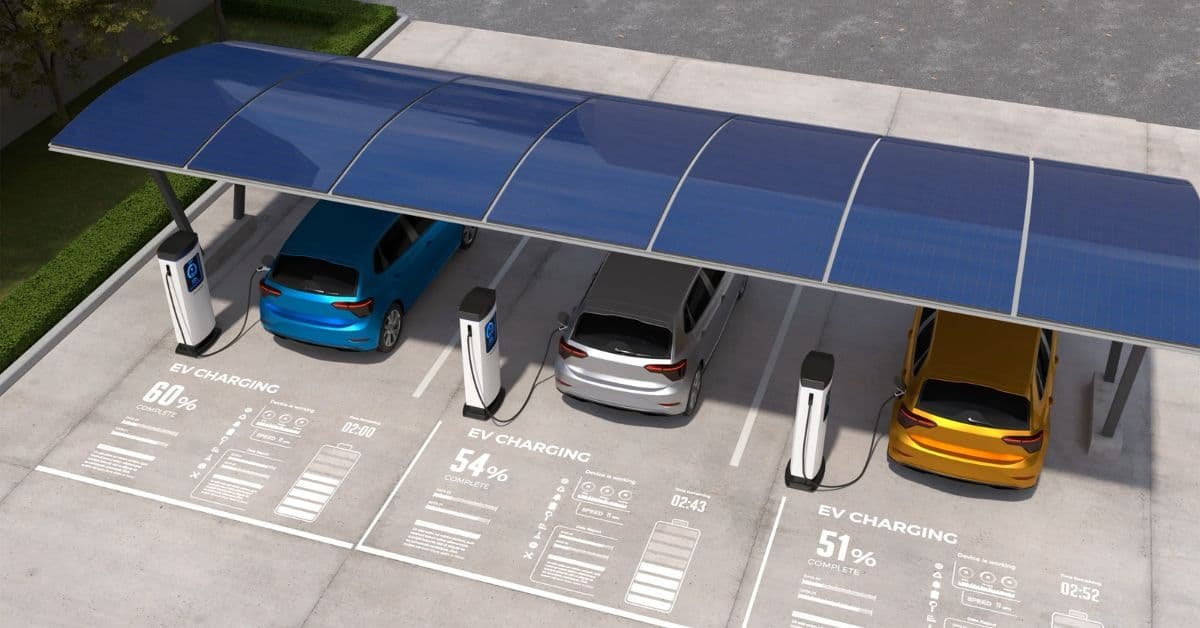
Yes, you can charge an electric car with solar panels. Charging with solar panels is one of the best ways to cut charging costs and use clean energy. Solar panels make electricity. The electricity can go into a home battery or go right to a Level 1 or Level 2 charger to power your electric car. The charging speed changes. It depends on your solar system size, sunlight hours, and how much energy you use. But even a small system can lower your daily power needs a lot.
How Solar EV Charging Works
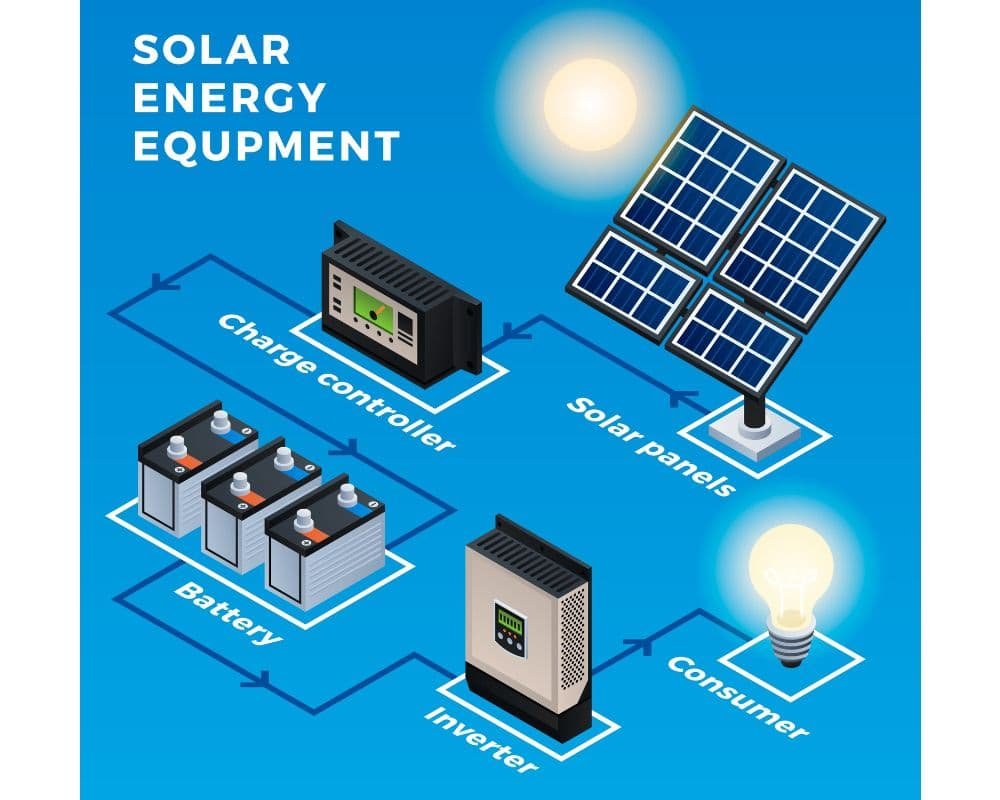
Charging your EV with solar power is like powering your home devices. Solar panels on your roof change sunlight into DC electricity. This DC power then goes to an inverter. The inverter changes the power into AC electricity. Your home and your EV can use this AC electricity.
Direct Charging vs. Grid-Tied Systems
Many people think they can plug their car right into a solar panel, but a modern system does not work that way.
Grid-Tied System
This is the most common and best setup. Your solar panels connect to your home’s main power box and the main power company grid. When your panels make extra power (on a sunny afternoon), the extra power goes back to the grid. When your home needs more power (like at night), you pull power from the grid. Your EV simply uses power from your home, no matter if the sun or the power company made the power.
Direct Charging
It is possible to do this with a small, separate setup, but it is not good for daily use. You would need a large group of panels and a separate inverter just for the car. You could only charge when the sun was shining brightly.
The Role of Net Metering and Home Batteries
Two key things help you charge your EV with solar power, even when the sun is not shining.
Net Metering
This is a bill plan with your power company. When your solar panels make too much energy, the company gives you a credit on your bill. You can then use these credits to “buy back” power from the grid at night to charge your EV. The grid acts like a giant, free battery for your solar energy.
Home Batteries (e.g., Tesla Powerwall)
A home battery stores the extra solar energy your panels make during the day. You can then use this stored energy to charge your EV at night or when the main power is out. A home battery costs more money, but it gives you full power freedom. It lets you charge your EV with 100% solar power, even after it gets dark.
How Many Solar Panels Do You Need?
The most common question is, “How many solar panels do I need to charge my EV?” The answer depends on three main things: how much you drive, how well your car uses power, and how much sun your roof gets.
Calculating Your EV’s Energy Needs (kWh per Day)
First, you must find out how much energy you need for driving each day.
- Step 1: Daily Miles: Find your average daily driving distance. We will use a common average of 40 miles per day.
- Step 2: Car Efficiency: Find how well your car uses power, measured in miles per kilowatt-hour (mi/kWh). A typical EV gets about 3.5 mi/kWh.
- Step 3: Daily kWh Needed: Divide your daily miles by your car’s efficiency.

The calculation means your solar system must make an extra 11.4 kWh of energy each day just for your car.
Panel Efficiency and Local Sunlight Hours
Solar panels are measured in watts (W). A modern panel is about 400 W. You will not get 400 W all day long. We use a number called “Peak Sun Hours” (PSH) to measure how strong the sunlight is where you live.
Example: A city like Phoenix might have 5.5 PSH, and a city like Seattle might have 3.5 PSH.
Sizing Your System: The Formula
We can now find the number of panels needed to charge your EV. We will use the average of 4.5 PSH and a 400 W panel.

You need 7 solar panels to cover the energy for your 40-mile daily drive because you cannot install 0.3 of a panel.
| Daily Driving (Miles) | Daily kWh Needed (3.5 mi/kWh) | Extra Panels Needed | Estimated Cost (at $3.00/Watt) |
|---|---|---|---|
| 20 Miles | 5.7 kWh | 4 Panels | $4,800 |
| 40 Miles (Average) | 11.4 kWh | 7 Panels | $8,400 |
| 60 Miles | 17.1 kWh | 10 Panels | $12,000 |
| 100 Miles | 28.6 kWh | 16 Panels | $19,200 |
Is Solar Charging Worth the Investment?
The first cost for solar panels can be high. The savings over time, especially for charging your EV, make solar a smart money choice.
1. Initial Installation Costs (Panels and EV Charger)
The average cost for a solar system in the U.S. is about $3.00 for each watt before money back.
System Cost: A typical home system is about 8 kW, costing about $24,000. If you add the 7 extra panels (2.8 kW) for your EV, your total system size is 10.8 kW. The cost is about $32,400 before money back.
EV Charger: A Level 2 home charger costs between $400 and $1,000. Putting it in costs another $800 to $2,000.
2. Federal Tax Credits and Local Incentives
The U.S. government gives a big money-back reason to lower your cost.
Federal Solar Tax Credit (ITC): You can take 30% of the total solar system cost off your federal taxes. On a $32,400 system, the savings are $9,720. The amount you pay drops to $22,680.
Local Rebates: Many states and power companies give more money back for installing solar and EV charging equipment. You must always check with your local power company for current programs.
The True Cost Per Mile: Solar vs. Grid Electricity
The energy you use to charge your EV is mostly free once your solar system is installed. The savings here are huge.
- Grid Charging: The average power cost is $0.17/kWh. Charging your EV for 15,000 miles a year costs about $637.50 each year.
- Solar Charging: Your yearly fuel cost drops to $0. The only cost is the money you paid for the panels.
“Switching to solar for my EV was the final step in cutting my monthly transportation costs to almost zero. The initial investment was big, but the peace of mind knowing I’m driving on free, clean energy is priceless.”
Equipment for Solar EV Charging
You need the right equipment and working together to get the most from your solar EV setup.
1. Choosing the Right EV Charger (Level 2)
A Level 2 charger is a must for solar EV charging. It uses a 240V wire and charges your car much faster than a regular wall outlet.
Smart Chargers: Look for a “smart” Level 2 charger. These chargers can connect to your home’s Wi-Fi. They can talk to your solar system or power company. You can set the charger to only work when the sun makes a lot of power or when the power rates are low.
2. Integrating a Home Battery (Powerwall, etc.)
A home battery is not needed, but it is highly suggested for the best solar EV experience.
Night Charging: You drive during the day and need to charge at night. A home battery lets you store the solar energy you made during the day. You can then use the stored power to charge your EV after you come home.
Backup Power: A home battery also gives you backup power for your home and your EV when the main power goes out.
3. Smart Charging Software and Timers
Software is the key to getting the most solar charge. Many EV companies and smart charger companies have apps that let you:
Set Schedules: Tell your car to only charge during the day when your solar panels make power. You can also tell it to charge at night using stored battery power.
Monitor Production: See exactly how much energy your solar panels are making. You can also see how much energy is going into your car.
Practical Tips for Maximising Your Solar Charge
You need a few smart habits to get the most from your solar EV setup.
1. Time-of-Use (TOU) Rates and Solar
If your power company uses TOU rates (prices change by time), you should still charge your EV at night, even with solar.
The Strategy: Your solar panels make power during the day. You send the extra power to the grid, and you get high-value credits. At night, you use those high-value credits to charge your EV when the grid electricity is cheapest. This is a win-win for your money.
2. Charging During the Day vs. Charging at Night
You have a choice if you have a home battery:
Charge During the Day: You work from home. Plug in your car during the sunniest hours (10 AM to 3 PM) to use the solar power right away. This is the most efficient way to use your solar energy.
Charge at Night: You are away during the day. Let your home battery charge up with solar power. Then, use the stored battery power to charge your EV after you get home.
Case study:
The Smith family in California installed a 10 kW solar system and a home battery. They drive two EVs a total of 70 miles per day.
Before Solar: Their average electric bill was $250 per month. Their EV charging cost was about $80 per month. Total energy cost: $330 per month.
After Solar: Their electric bill is now $0. Their EV charging cost is $0. Their total energy cost is now just the monthly payment on their solar loan, which is less than their old electric bill.
Conclusion
Charging your electric vehicle with solar panels is a smart, eco-friendly, and cost-effective solution. By converting sunlight into clean electricity, solar panels can power your EV directly or store energy in a home battery for nighttime use. Whether you use a grid-tied system with Net Metering or a dedicated home battery, even a modest solar setup can significantly reduce your daily charging costs.
Calculating your daily energy needs, choosing the right number of panels, and using a smart Level 2 charger ensures maximum efficiency. While the initial investment may seem high, federal tax credits, local incentives, and long-term savings make solar EV charging a worthwhile choice. With proper planning, solar panels can cover your daily driving needs, lower your carbon footprint, and give you freedom from rising electricity costs.
Start small, plan smart, and enjoy the benefits of solar-powered EV charging for years to come.
FAQs
Can I charge my EV directly from a solar panel?
No, that is not practical. You cannot just plug your car into a solar panel. The solar panel makes DC power. Your car needs AC power (or very high-voltage DC power). You need an inverter to change the power and a proper Level 2 charger to safely give the power to your car.
How long does it take to charge an EV with solar?
The charging time depends on the size of your solar system and the size of your car’s battery. If your system is the right size for your daily driving (like the 7-panel example for 40 miles), you will replace the energy you used in a day with about 4 to 5 hours of peak sunlight. A full charge from empty could take several days of solar power.
Do I need a home battery to charge my EV with solar?
No, you do not need a home battery. You can use Net Metering. The power company grid acts as your battery. You send extra solar power to the grid during the day for credit. You then use those credits to charge your car from the grid at night. A home battery is something you can add later. It gives you true freedom from the grid.
What is the best EV charger for solar?
The best EV charger for solar is a smart Level 2 charger. It lets you set times to charge. It also connects with your solar monitoring system. Chargers from companies like Enphase, ChargePoint, or Wallbox often have features that let you charge with solar power first before using grid power.
