Lithium-ion Battery Protection Circuit Module (PCM): Importance, Safety, and How It Works
Have you ever wondered what keeps your electric vehicle (EV) battery from overheating, short-circuiting, or getting damaged during charging?…


Have you ever wondered what keeps your electric vehicle (EV) battery from overheating, short-circuiting, or getting damaged during charging?…
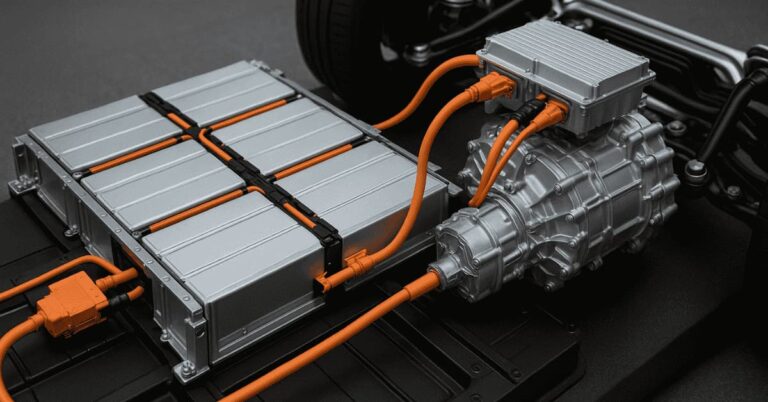
When we discuss EV batteries, we often hear about “energy density” and “power density.” These terms sound alike, but…
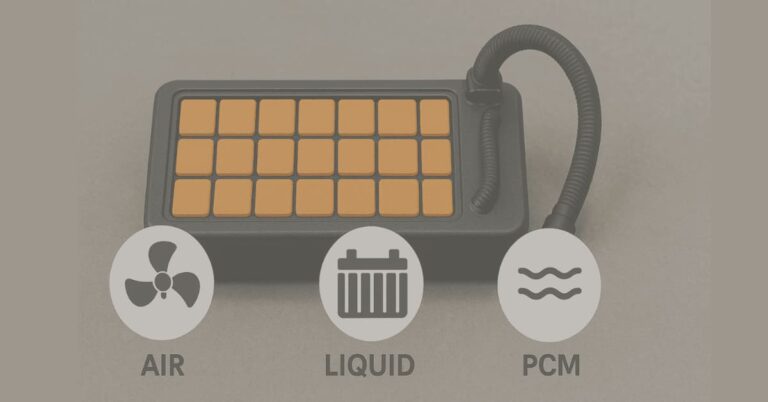
Have you noticed your electric car feels slow on a cold winter morning? Or does its range drop quickly…

EV battery electrolytes are crucial components that allow electric vehicles to function. They are the medium through which charged…

Cathode materials are vital to lithium-ion batteries, serving as the positive electrode. Composed of lithium and metal oxides like…

LFP vs NMC batteries compared: cost, cycle life (2,000–5,000+ vs 1,000–2,500), safety, cold-weather range and daily charging. Which one fits your EV?

What makes your electric car move so smoothly? You often hear about lithium, cobalt, and nickel when people talk…

Yes, you can fly with lithium batteries — if they ride in the right bag. The FAA’s size limits, the approval band, and the power-bank rules that changed twice in a year, airline by airline.

This guide covers what happens when your car battery voltage exceeds safe limits. If your car battery voltage is…
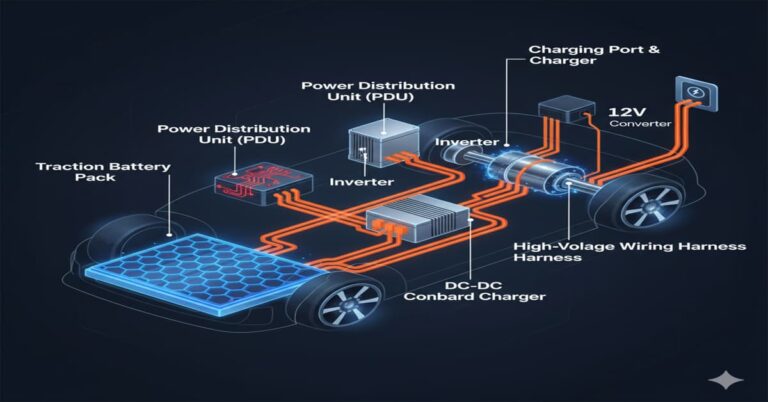
An EV battery runs at 355–924 volts, not 12 — because power is volts times amps, and voltage is the only way to move 200 kW without melting the cables. The equation, the real pack voltages, the 500-amp wall, and why the cables are orange.
End of content
End of content