Lithium-Ion Battery Chemistry: How It Works in EVs
How does lithium-ion battery chemistry work in EVs? Learn how ions move during charging and discharging, why the cathode matters, and what makes Li-ion dominate EVs.

A deep dive into EV battery chemistry: NMC, NCA, LFP, sodium-ion, and solid-state. These articles compare how each chemistry performs on range, cost, safety, and charge cycles, and explain why automakers choose different chemistries for different vehicles. For cell-type-specific coverage, see our dedicated Lithium-Ion Batteries and Solid-State Batteries archives.
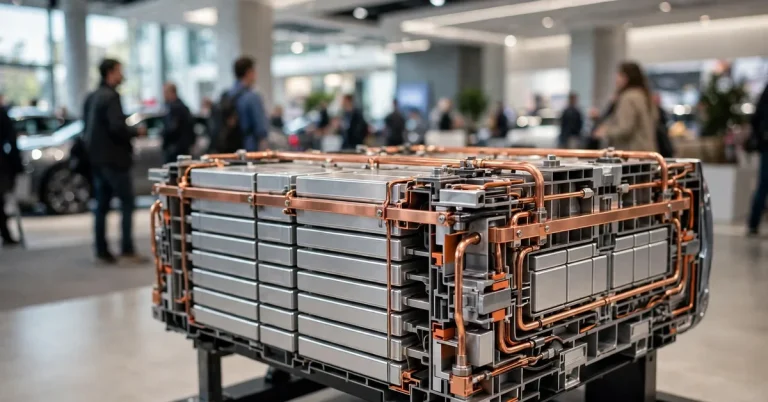
How does lithium-ion battery chemistry work in EVs? Learn how ions move during charging and discharging, why the cathode matters, and what makes Li-ion dominate EVs.
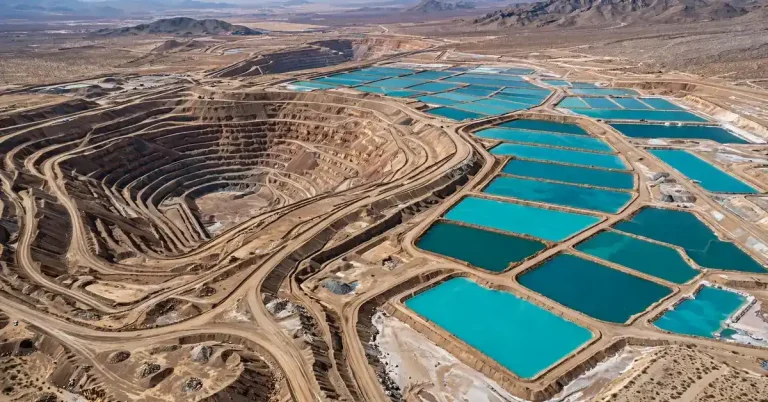
What are cathode and anode materials in EV batteries? Learn what each electrode is made of, how NMC, LFP, and graphite work, and why material choice defines battery performance.
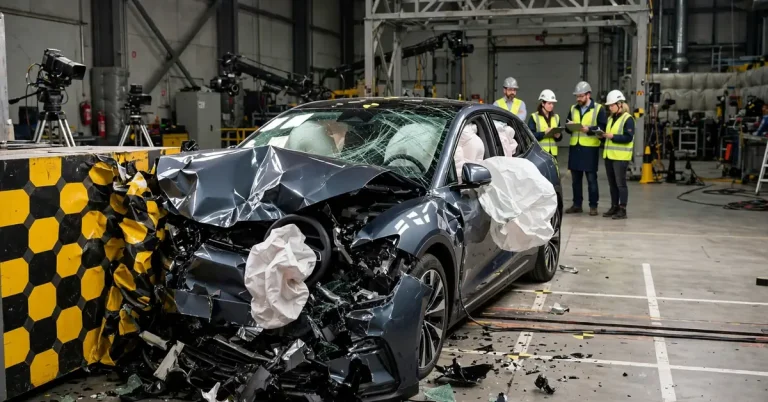
Is NMC battery safe? Learn about NMC thermal stability, risks vs LFP, how modern EVs protect against thermal runaway, and real fire statistics for NMC electric vehicles.
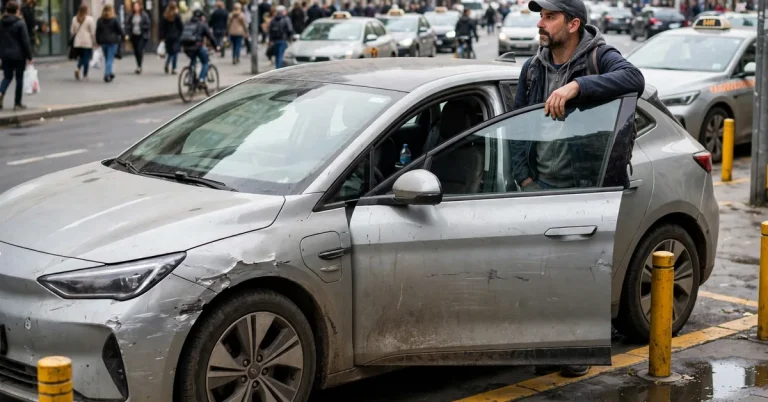
How many cycles does an NMC battery last? NMC delivers 1,000–2,500 cycles to 80% capacity. Learn what causes NMC degradation and how to maximize NMC battery life.
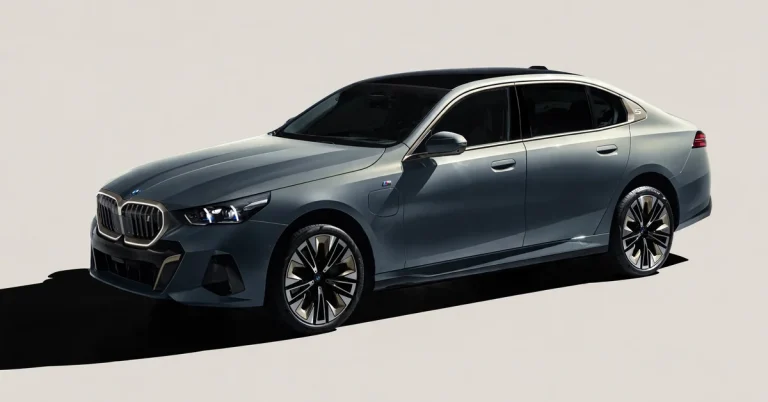
BMW i5 battery guide: 84.3 kWh, up to 310 miles EPA range, 205 kW charging, native NACS for 2026, warranty, lifespan and replacement cost.
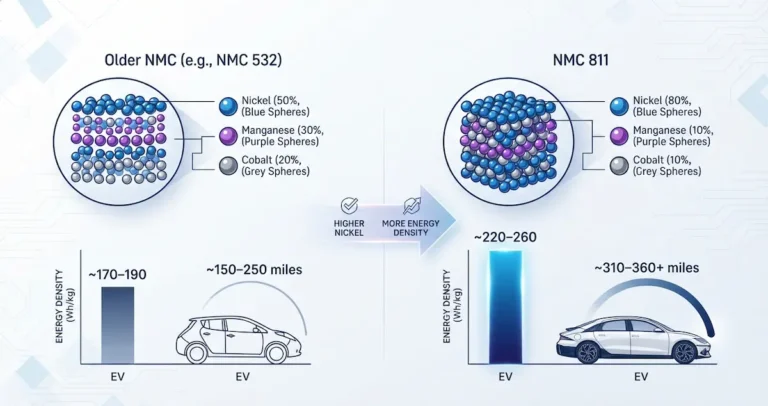
Why does NMC 811 have more range than older NMC? Higher nickel content stores more lithium per gram — delivering 30–40% better energy density vs NMC 532. Full explanation here.
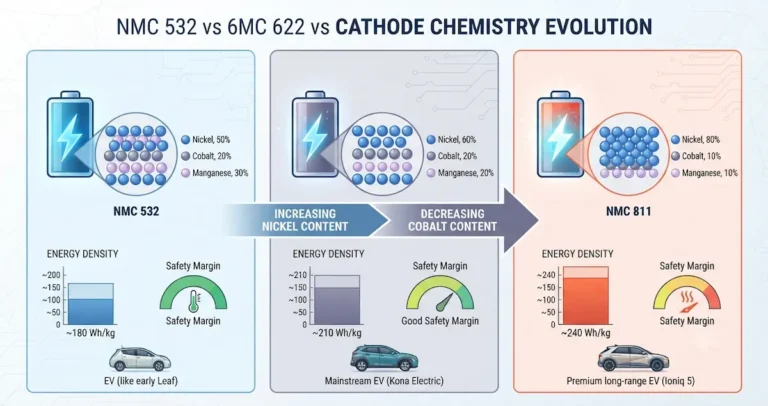
NMC 532 vs NMC 622 vs NMC 811 explained: learn the nickel-manganese-cobalt ratios, energy density differences, trade-offs, and which EVs use each NMC variant.
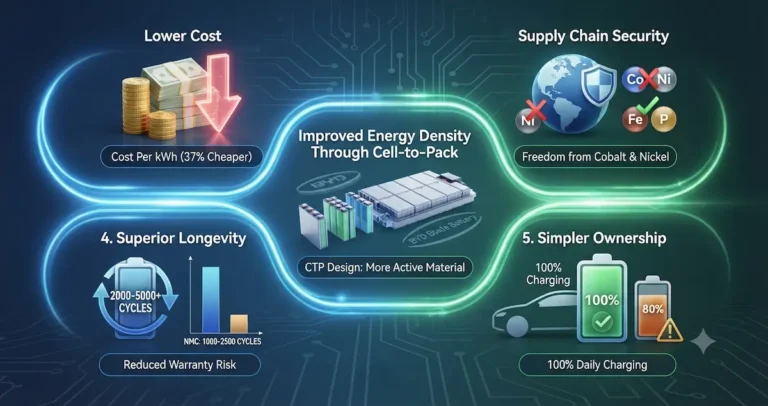
Why are so many new EVs switching to LFP batteries? Learn the 5 key reasons — cost, supply chain, CTP design, longevity, and simpler ownership — driving the global LFP shift.
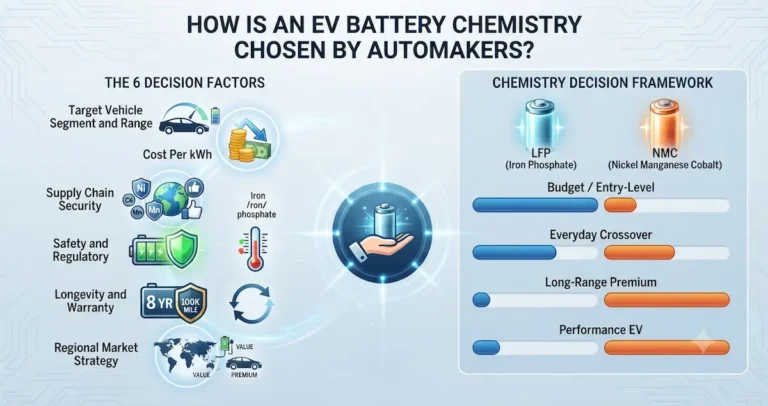
How do automakers choose EV battery chemistry? Learn the 6 key factors behind NMC, LFP, and NCA decisions — from cost and range targets to supply chain and regulations.
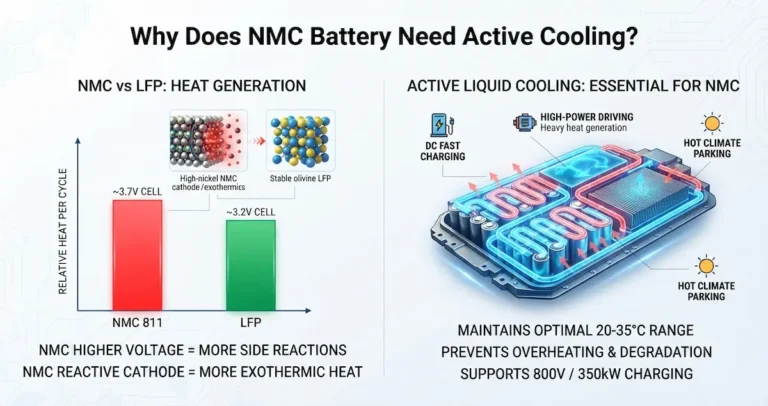
Why does NMC battery need active cooling? High-nickel chemistry generates more heat and has a lower thermal threshold than LFP. Learn how liquid cooling protects NMC EV batteries.
End of content
End of content