Top EV Battery Recycling Companies and Automaker Programs
Top EV battery recycling companies include Redwood Materials, Li-Cycle, and CATL. See who leads, and how automakers partner with them.

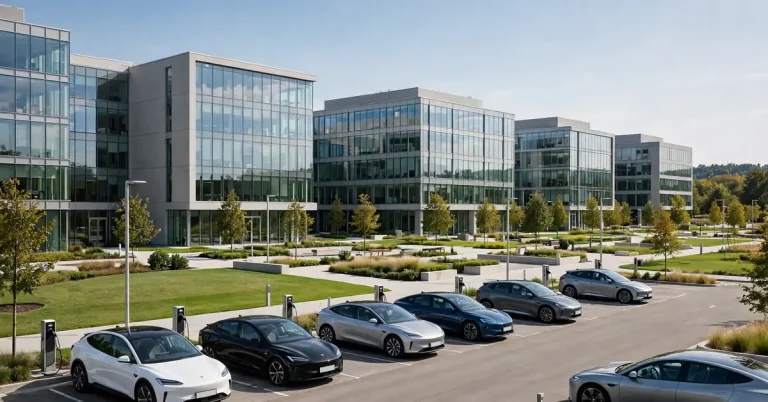
Top EV battery recycling companies include Redwood Materials, Li-Cycle, and CATL. See who leads, and how automakers partner with them.

The global EV battery recycling landscape is led by China. See how the US, Europe, and Japan compare in capacity.
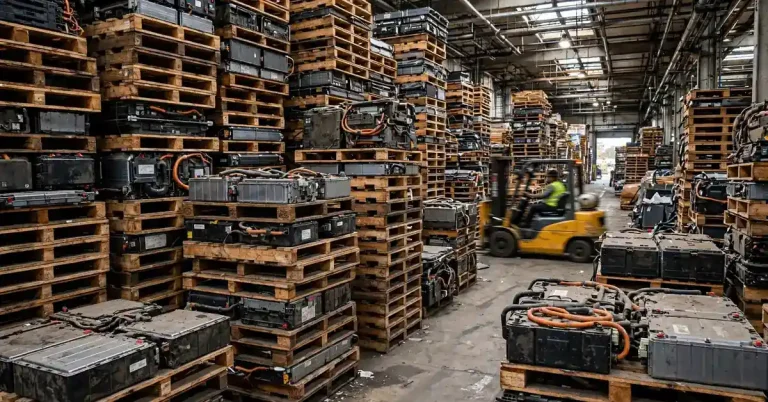
EV battery recycling challenges include fire risk, weak infrastructure, and battery design differences. See how the industry copes.

The circular economy for EV batteries could cut mining demand and add jobs by 2030. See the numbers behind the future outlook.
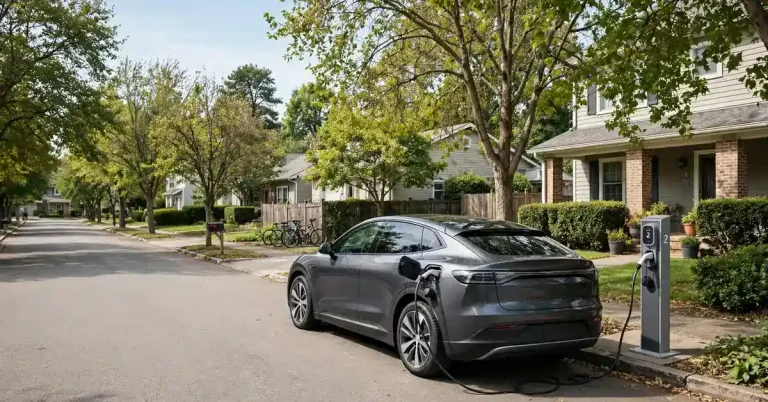
Does Level 2 charging damage an EV battery? No — it’s the healthiest daily charging method. Real damage comes from frequent DC fast charging, chronic 100% charges (NMC), and extreme heat. Best practices, real degradation data, and battery health tips inside.

Best Level 2 home EV chargers in 2026: ChargePoint Home Flex (best overall), Emporia Smart (best budget at $199), Grizzl-E Classic (best outdoor durability), Tesla Wall Connector (best for Tesla), JuiceBox 48 (best solar). Prices, speeds, and how to choose.
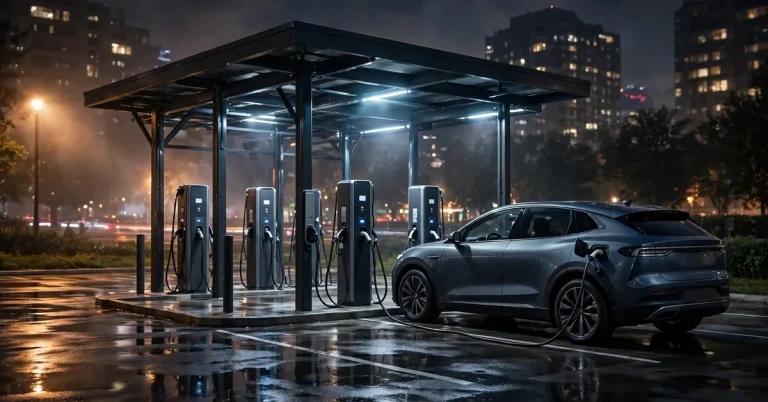
Does DC fast charging damage an EV battery? Yes — but only modestly in modern liquid-cooled EVs. Real-world data shows 2–4% extra degradation vs Level 2 over 5 years. Daily fast charging, no preconditioning, and hot weather cause the most harm. Full guide inside.
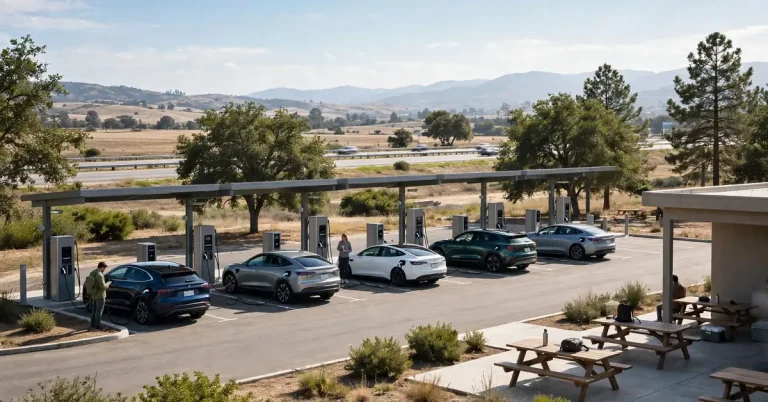
How often can you DC fast charge without hurting your battery? Manufacturers recommend 1–2 times per week. Daily DC fast charging adds ~2–4% more degradation over 5 years in modern liquid-cooled EVs. Frequency guide, EV-by-EV comparison, and best practices inside.
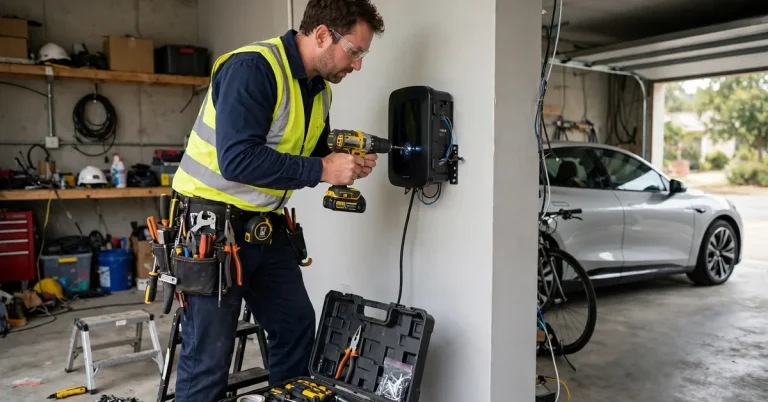
How to set up home EV charging: check your panel, choose a Level 2 wallbox ($200–$800), hire an electrician ($200–$600), and configure smart charging. Total cost $500–$1,600 before 30% federal tax credit. Step-by-step guide for 2026.
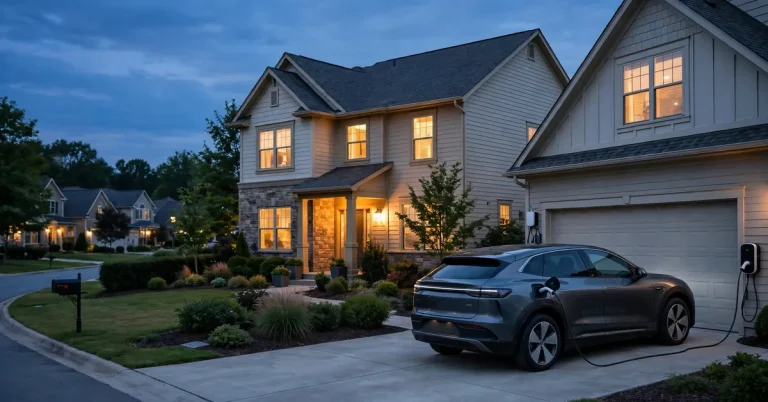
Should you charge your EV every night? Yes — nightly charging at 80% (NMC) or 100% (LFP) is the best habit for battery health, cost savings, and daily convenience. Shallow cycles extend battery life. Full guide with charge limit table and LFP vs NMC explained.
End of content
End of content