How Are EV Batteries Recycled? Complete Guide
How are EV batteries recycled? See the full process, drop-off options, and what happens if you skip recycling.

What happens to an EV battery once it’s no longer strong enough for daily driving: second-life uses like home and grid energy storage, how battery recycling actually recovers lithium, cobalt, nickel, and copper, and what buyers should know about replacement cost and warranty coverage before that day comes.
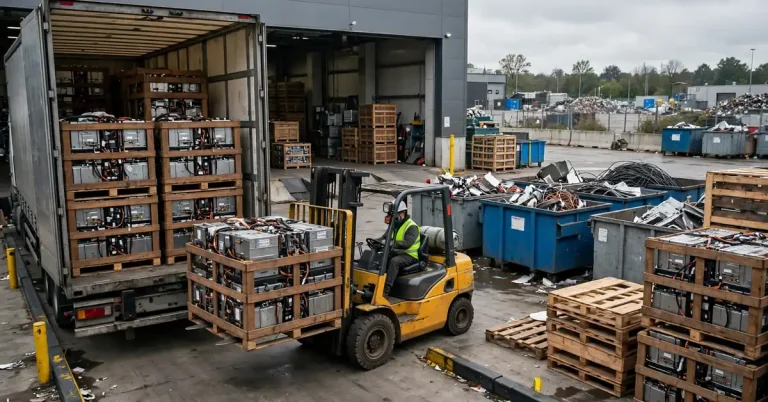
How are EV batteries recycled? See the full process, drop-off options, and what happens if you skip recycling.

EV battery recycling methods compared: pyrometallurgy, hydrometallurgy, direct recycling, black mass, and LFP vs NMC.
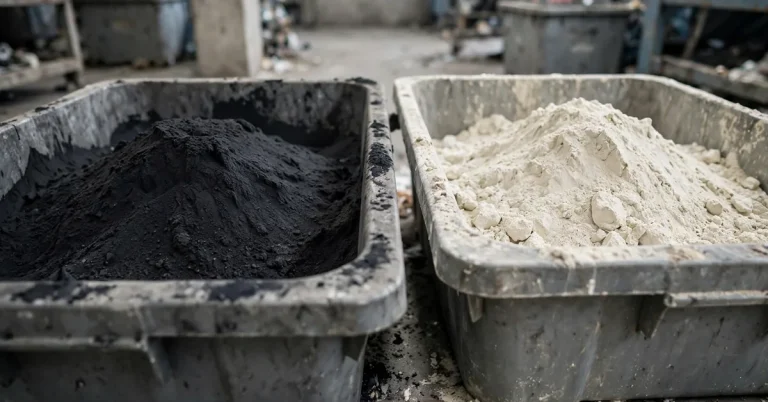
EV battery material recovery rates explained: how much lithium, cobalt, nickel, and graphite recyclers actually recover.
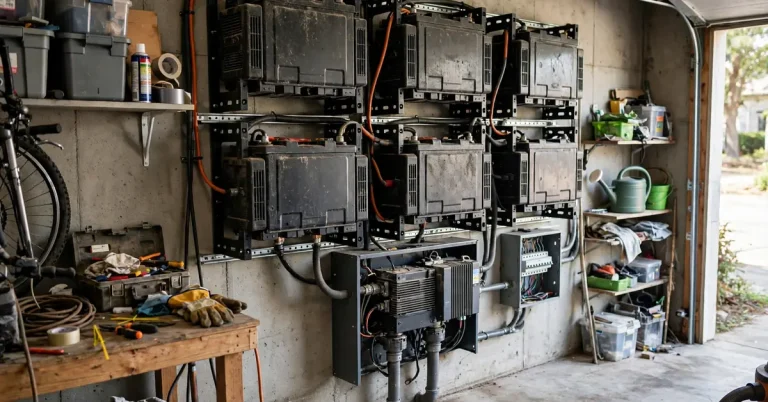
Second-life EV batteries can power your home before recycling. See how it works, and whether reuse beats recycling.

The environmental impact of EV battery recycling includes lower emissions, less mining, and a smaller carbon footprint.

EV battery recycling laws vary sharply between the US and EU. See the key rules, mandates, and incentives shaping the industry.

Top EV battery recycling companies include Redwood Materials, Li-Cycle, and CATL. See who leads, and how automakers partner with them.

The global EV battery recycling landscape is led by China. See how the US, Europe, and Japan compare in capacity.
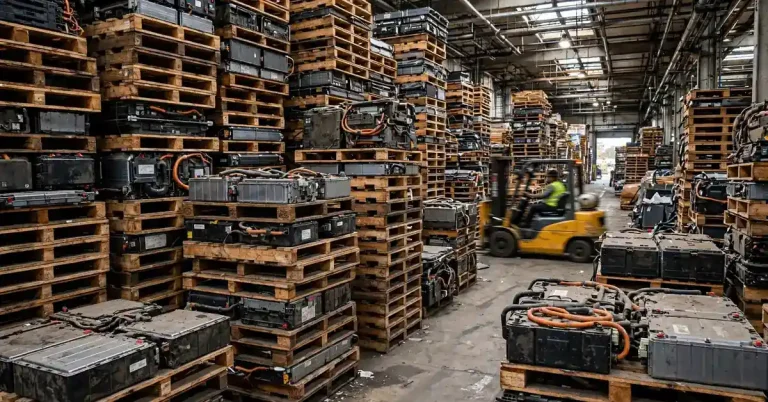
EV battery recycling challenges include fire risk, weak infrastructure, and battery design differences. See how the industry copes.

The circular economy for EV batteries could cut mining demand and add jobs by 2030. See the numbers behind the future outlook.
End of content
End of content