What Is a BMS in an EV? Battery Management Explained
What is a BMS in an EV? Learn how the battery management system monitors, protects, and balances your EV’s battery pack.

How an EV’s Battery Management System (BMS) actually works: cell balancing, state-of-charge estimation, thermal control, and the fault codes and diagnostic signals that tell you something’s wrong. This hub is for owners who want to understand what’s happening inside the pack, not just how far it can go.

What is a BMS in an EV? Learn how the battery management system monitors, protects, and balances your EV’s battery pack.
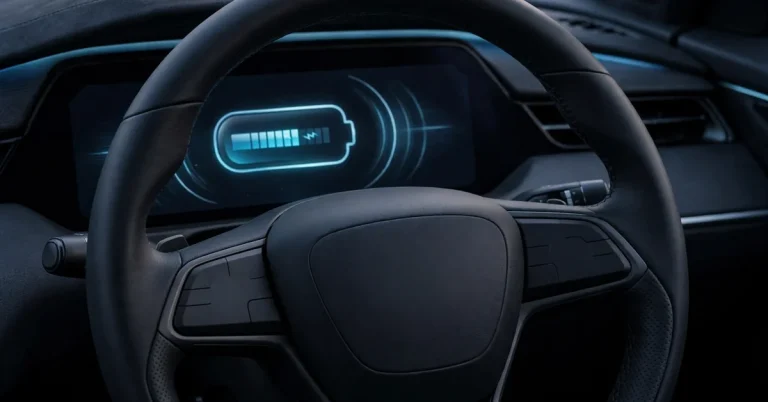
How does a BMS work in an electric car? See how it senses, decides, and acts to protect the battery in real time.

Why is the BMS so important for EV safety? See how it detects and prevents thermal runaway, overcharge, and electrical faults.
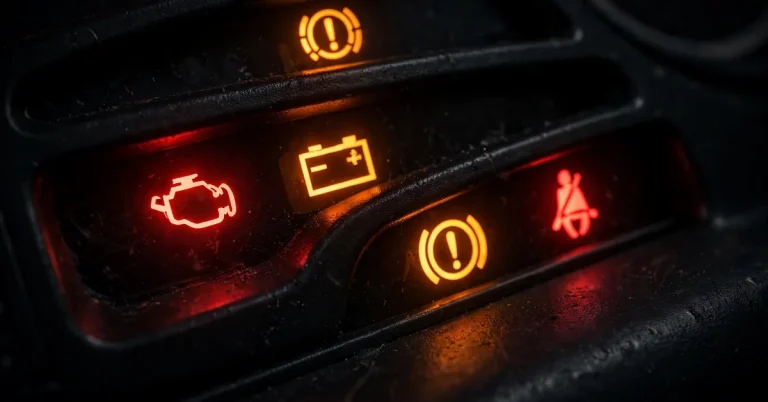
What happens if the BMS fails in an electric car? Learn the symptoms, causes, and what fail-safe shutdown really means.
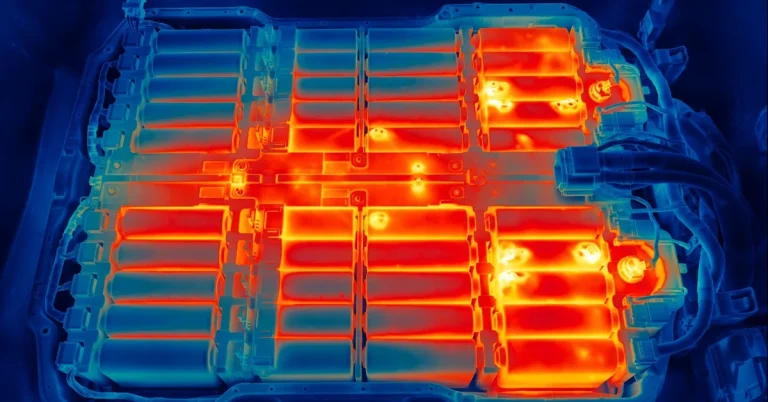
How does a BMS monitor battery voltage? Learn how it reads individual cell voltage across a high-voltage series stack.

How does a BMS measure battery current? Learn how shunt resistors and Hall-effect sensors track energy flow.

How does a BMS monitor battery temperature? Learn how NTC thermistors track heat and drive cooling decisions.
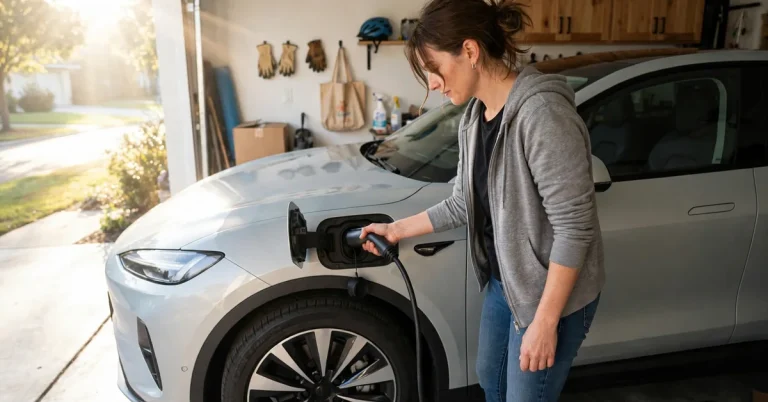
How does a BMS prevent overcharging? See how per-cell voltage monitoring and cutoffs protect EV batteries.

How does a BMS prevent over-discharging? See how low-voltage cutoffs protect EV battery cells from damage.
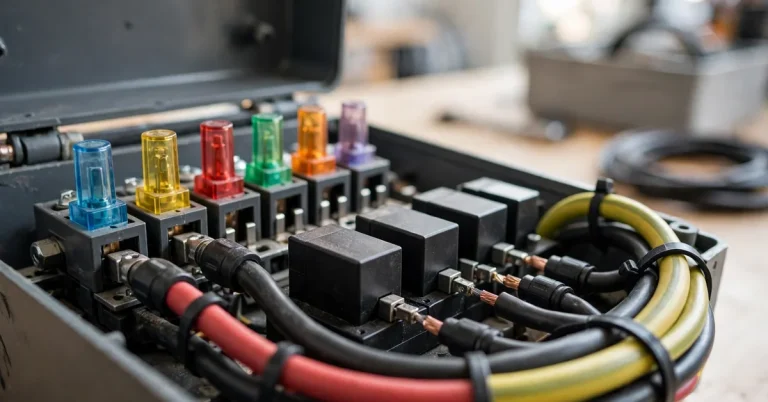
How does a BMS protect against short circuits? See how detection, contactors, and fuses stop faults in microseconds.
End of content
End of content