
What Happens If the BMS Fails in an Electric Car?

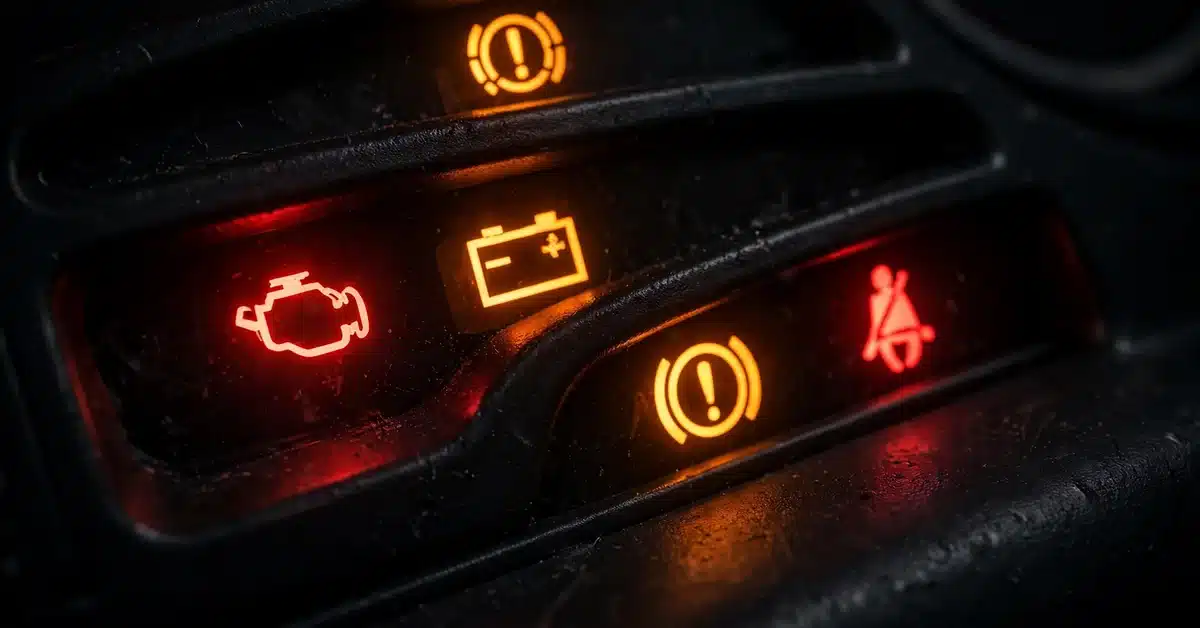
If the BMS fails in an electric car, the vehicle typically enters a reduced-power “limp” mode, refuses to charge, or shuts down entirely as a safety precaution. A BMS failure rarely causes an immediate dangerous event by itself — it’s actually designed to fail safe, cutting power rather than allowing an unmonitored battery to keep running.
Why the BMS Fails Safe Instead of Failing Dangerously
Automotive BMS units are engineered with the assumption that they might fail. If the system loses confidence in its own sensor data or detects an internal fault, its default response is to restrict or cut power, not to keep operating blindly. This fail-safe design is why most BMS failures show up as stranding or charging problems rather than sudden fires.
The Logic Behind Fail-Safe Shutdown
An EV’s contactors physically disconnect the battery from the rest of the high-voltage system. When the BMS can’t verify the pack is within safe limits, it opens those contactors rather than gamble on incomplete data.
Common Symptoms of a Failing BMS
Sudden Power Cut-Offs
If the car shuts down or loses power while the battery still shows a reasonable charge, the BMS may be misreading voltage and triggering an unnecessary protective shutdown.
Erratic State of Charge Readings
A dashboard percentage that jumps unpredictably, drops rapidly, or gets stuck at one value usually points to a BMS sensing or calibration problem rather than an actual battery fault.
Refusal to Charge
If the pack has voltage but won’t accept a charge, the BMS may be misreading cell conditions and blocking the process as a precaution, even if the cells themselves are fine.
Zero Volts at the Terminals
A reading of 0V when the battery should have charge usually means the BMS has internally disconnected the pack, often due to a fault in its own circuitry rather than the cells.
Persistent Overheating Warnings
Thermal alerts that appear even under light or no load can indicate a failing temperature sensor or a fault in the BMS’s cooling control logic, not necessarily a hot battery.
What Actually Causes a BMS to Fail
- CAN bus communication errors between the BMS and the vehicle control unit
- Current sensor drift causing incorrect state-of-charge calculations
- Firmware bugs or software glitches affecting charge/discharge logic
- Damaged or corroded wiring harness connections
- Physical damage to the BMS control board itself, from moisture or vibration
Can You Still Drive With a Failing BMS?
It depends on the fault. A minor sensor glitch might only trigger a warning light and reduced performance. A serious fault, especially one involving contactor control or voltage sensing, can leave the car undrivable or unsafe to drive until diagnosed. Continuing to drive with active BMS warnings is not recommended, since the system’s protective functions may not be working correctly.
How BMS Failures Are Diagnosed and Fixed
Technicians typically start by checking CAN bus communication, individual cell voltages, and current sensor calibration to isolate whether the fault is in the BMS itself or in a specific cell or connection. Many modern EVs support BMS firmware updates that resolve known software bugs. In more serious hardware failures, the BMS control module itself may need replacement.
| Symptom | Likely BMS Issue |
|---|---|
| Sudden shutdown despite good charge | Voltage misreading / false undervoltage trip |
| SOC jumps or freezes | Current sensor drift or calibration error |
| Won’t accept a charge | Protective lockout from misread cell data |
| 0V at terminals | Internal contactor disconnect / BMS fault |
| False overheat warnings | Faulty temperature sensor or cooling logic |
Conclusion
When the BMS fails in an electric car, the system is designed to protect the pack first, which usually means reduced power, a charging block, or a full shutdown rather than an immediate hazard. Still, driving with active BMS warnings isn’t safe, since the very system meant to catch a real battery fault may itself be malfunctioning. Any persistent BMS-related warning should be diagnosed by a qualified EV technician promptly.
FAQs
Is a BMS failure dangerous?
It’s designed to fail safe, but ignoring persistent warnings and continuing to drive can be risky if the underlying fault is serious.
Can a BMS fault be fixed with a software update?
Many communication and calibration issues can be resolved with a firmware update, but hardware faults require component replacement.
Will a BMS failure strand me on the road?
It can, especially if the fault triggers a full contactor shutdown or the car enters a severely limited limp mode.
