
Nissan Leaf Battery: Complete Guide

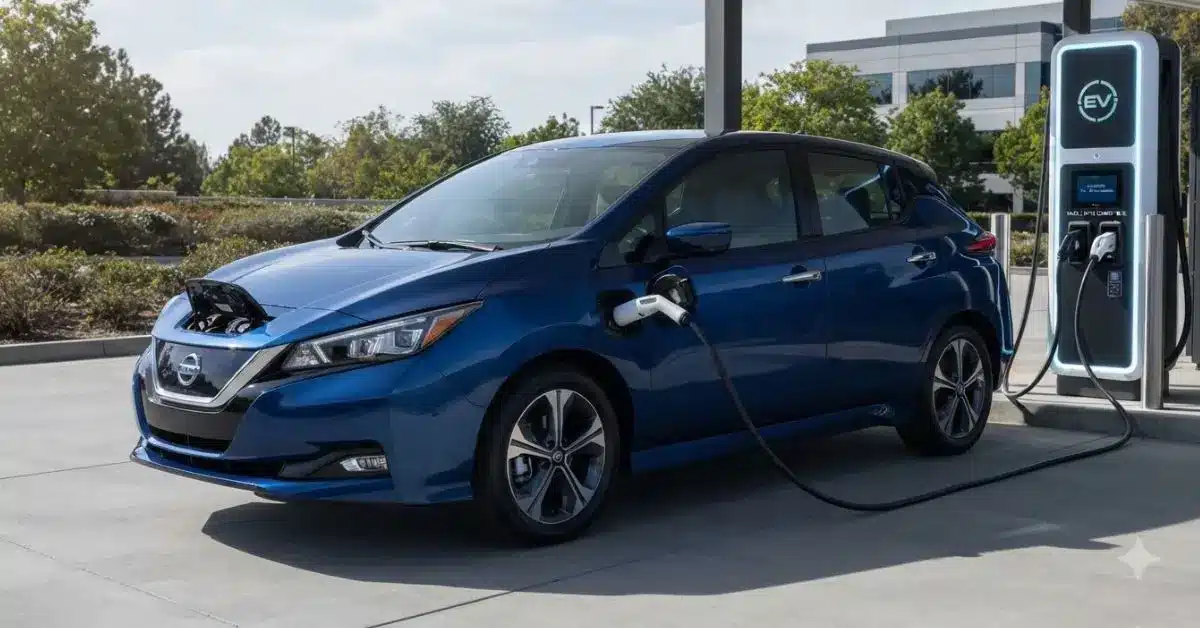
The 2026 Nissan Leaf features a brand-new battery design on the CMF-EV platform, which it shares with the Nissan Ariya. You can choose between two versions: a 75 kWh battery that travels 303 miles or a 52 kWh battery that travels about 255 miles. Both options use liquid cooling to keep the battery at a safe temperature.
The car charges quickly using DC fast charging. The 75 kWh battery reaches a peak of 150 kW, while the 52 kWh battery reaches 105 kW. Both models can charge from 10% to 80% in about 35 minutes.
This is the first Leaf to use the North American Charging Standard (NACS), which replaces the older CHAdeMO plug. Every car comes with two ports: a J1772 port for home charging and a NACS port for fast charging on the road. Nissan launched this third-generation model in the U.S. in late 2025, and production began in the UK in 2026.
Nissan Leaf Battery: New Generation Specs
| Specification | 52 kWh (entry) | 75 kWh (main / S+) |
|---|---|---|
| Battery capacity | ~52 kWh | 75 kWh |
| Chemistry | NMC (liquid-cooled) | NMC (liquid-cooled) |
| Platform | CMF-EV | CMF-EV |
| EPA range (S+ trim) | ~255 miles (est.) | 303 miles |
| Motor power | 130 kW (174 hp) | 160 kW (214 hp) |
| 0–60 mph | ~7.5 sec | ~6.5 sec |
| Peak DC rate | 105 kW | 150 kW |
| 10–80% DC time | ~35 min | ~35 min |
| AC charger (J1772) | 7.2 kW | 7.2 kW |
| DC port | NACS (native) | NACS (native) |
| V2L | Yes (1,500W) | Yes (1,500W) |
| Heat pump | Standard | Standard |
| Starting price (U.S.) | ~$25,000–$27,000 | ~$28,000–$30,000 |
The Biggest Upgrade in Leaf History
The 2026 Nissan Leaf offers major improvements over the 2025 model. While the older version had a 60 kWh battery and could travel 212 miles, the new model goes 91 miles further. Nissan also upgraded the charging system. The 2026 Leaf now uses the NACS charging plug and charges twice as fast as before.
The most important upgrade is the new liquid-cooled battery, which replaces the older air-cooled design. The previous air-cooled battery often lost health in hot weather or when charged quickly too many times. Liquid cooling keeps the battery at a safe temperature, which makes the new car much more reliable.
Liquid Cooling: The Critical Fix
The 2026 Leaf now includes active liquid thermal management. This feature helps the car stay competitive, as other brands have used it for years. Coolant flows through the battery pack to keep the cells at the best temperature. This process stops the battery from getting too hot during summer heat. It also helps the car charge quickly even after repeated fast charging.
This cooling system also saves waste heat from the motor and the onboard charger. It moves this heat to warm the battery in cold weather. You can use the MyNISSAN app to warm up your battery before you stop to charge. This prepares the battery for better performance.
NACS: Native Supercharger Access After 15 Years of CHAdeMO
The original Leaf used CHAdeMO — the Japanese DC charging standard that has become increasingly marginalised in North America and Europe. The 2026 Leaf abandons CHAdeMO entirely in favour of native NACS. This gives direct access to Tesla’s 20,000+ Supercharger network in the U.S. and Canada without an adapter. A dual-port setup keeps SAE J1772 for AC charging. This charging infrastructure improvement alone resolves one of the biggest ownership friction points from every previous Leaf generation.
2026 Leaf Charging Speeds
| Method | Power | 52 kWh Leaf | 75 kWh Leaf |
|---|---|---|---|
| Level 1 (120V) | ~1.4 kW | ~40 hours full | ~60 hours full |
| Level 2 (7.2 kW AC) | 7.2 kW | ~8 hours full | ~12 hours full |
| DC Fast | 105 / 150 kW | ~35 min (10–80%) | ~35 min (10–80%) |
Crossover Body: A New Direction
The 2026 Leaf moves from hatchback to compact crossover body — higher ride height, more ground clearance, and a larger interior. This body change aligned the Leaf with where the compact car segment has shifted. The drag coefficient is 0.26 Cd — efficient for a crossover body. The CMF-EV platform is the same architecture as the Nissan Ariya — meaning the Leaf benefits from the Ariya’s proven EV platform engineering at a significantly lower price point.
Battery Warranty
Nissan covers the 2026 Leaf battery with an 8-year / 100,000-mile warranty — and specifically guarantees capacity retention of at least 9 bars of the 12-bar capacity gauge within this period. This specific retention guarantee is more prescriptive than most competitors’ simple “70% capacity” promises. The liquid cooling significantly reduces the degradation risk that plagued earlier air-cooled Leaf batteries in hot climates.
Old Leaf vs New 2026 Leaf: The Transformation
| Feature | 2025 Nissan Leaf (outgoing) | 2026 Nissan Leaf (new gen) |
|---|---|---|
| Battery | 40–60 kWh NMC | 52–75 kWh NMC |
| Cooling | Air-cooled (passive) | Liquid-cooled (active) |
| DC port | CHAdeMO | NACS (native) |
| DC rate | 50–100 kW | 105–150 kW |
| Max EPA range | 212 miles | 303 miles |
| Body style | 5-door hatchback | Compact crossover |
| V2L | Yes (some trims) | Yes (1,500W, all trims) |
Conclusion
The Nissan Leaf battery is the biggest upgrade in the car’s 15-year history. This new 75 kWh liquid-cooled battery pack solves the main problems of older models. A liquid-cooled battery uses fluid to keep the battery at the right temperature, which helps it last longer. This new version offers 303 miles of range and fast 150 kW NACS charging. Nissan also added a heat pump and V2L, which lets the car power electronic devices.
Nissan priced this model between $28,000 and $30,000. This price helps the Leaf compete directly with the Chevrolet Equinox EV and the Kia EV3. If you want to learn more about the history of these batteries, you can read our specific guides on the original Leaf and the Nissan Ariya.
