
Toyota RAV4 Prime Battery: Complete Guide


The Toyota RAV4 Prime (now called the RAV4 Plug-in Hybrid) uses an 18.1 kWh lithium-ion battery that lets the SUV drive on electricity alone — 42 miles on a full charge, per the EPA. When the battery runs low, a gasoline engine takes over, so long trips need no charging stops. The redesigned 2026 model gets a bigger 22.7 kWh battery and up to 54 miles of electric range.
Electric range is only part of the story. With a full battery and a full 14.5-gallon tank of gasoline, the RAV4 Prime can travel about 600 miles in total (EPA) before you need to stop — one of the longest total ranges of any plug-in hybrid SUV, and the reason many owners road-trip it like a normal SUV.
Prices have come down with the redesign: the 2026 RAV4 Plug-in Hybrid starts at $41,500 (MSRP) for the SE, before the delivery fee. Its closest rivals are the Mitsubishi Outlander PHEV, the Ford Escape PHEV and the Kia Sorento PHEV — the comparison table later in this guide shows how their batteries and ranges stack up.
Toyota RAV4 Prime / Plug-in Hybrid Battery: Full Specs
| Specification | Detail |
|---|---|
| Battery capacity (gross) | 18.1 kWh lithium-ion |
| Battery capacity (usable EV mode) | ~14 kWh |
| Onboard charger | 3.3 kW (SE) / 6.6 kW (XSE) |
| Cell count | 96 cells |
| Rated voltage | 355.2V |
| Chemistry | Lithium-ion (NMC) |
| Cooling | Active liquid cooling |
| EV-only range (EPA, 2021–2025) | 42 miles |
| System power | 302 hp combined |
| Drivetrain | AWD (twin electric motors) |
| 0–60 mph | ~5.8–6.0 seconds |
| Combined fuel economy (hybrid mode) | 38 mpg |
| MPGe (EV + hybrid combined) | 94 MPGe |
| Energy consumption (EPA) | 36 kWh per 100 miles |
| Level 1 charging (120V) | ~12 hours full |
| Level 2 charging (240V, 3.3–6.6 kW) | ~4.5 hours (3.3 kW) / ~2.5 hours (6.6 kW) |
| Total combined range | 600 miles (EPA, full tank + full battery) |
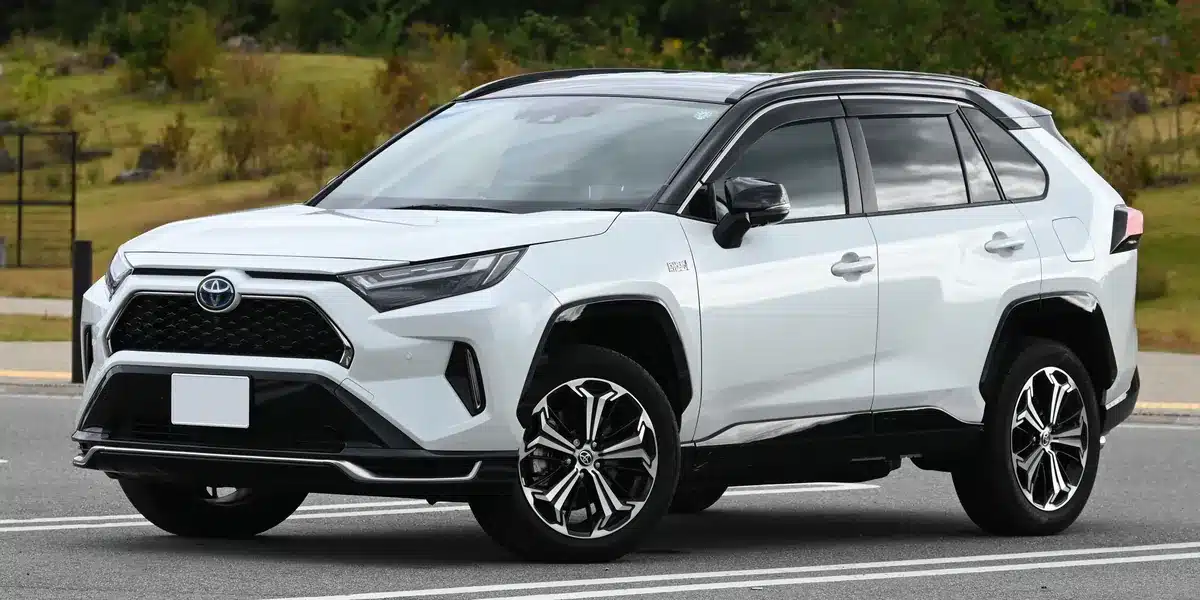
How the RAV4 PHEV Battery Works
The RAV4 Plug-in Hybrid uses a special system to run on both electricity and gas. An 18.1 kWh battery powers two electric motors for quiet, all-electric driving. When the battery runs low, a 2.5-litre four-cylinder gasoline engine kicks in to help or take over. The car starts in electric mode automatically if the battery has enough power. It switches smoothly to hybrid mode when the battery dies or when you need more power to speed up quickly.
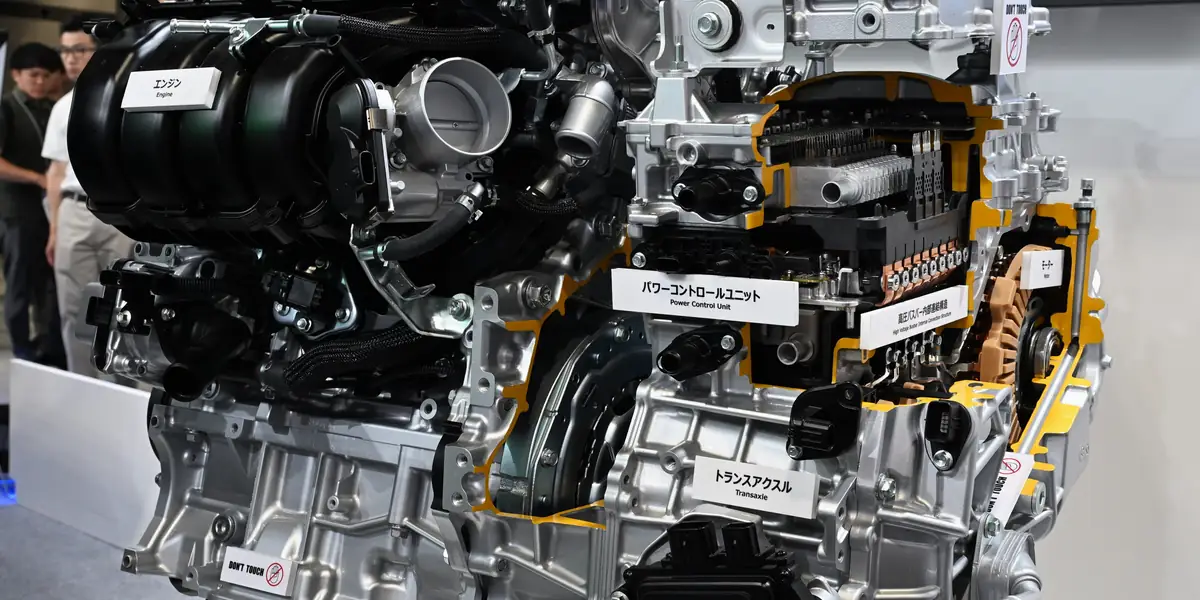
Engineers designed the battery to use 14 kWh of its 18.1 kWh total energy. This extra space keeps the battery healthy and helps it last longer. Toyota placed the battery under the cargo floor, so you still have the full 36.4 cubic feet of trunk space. This location also lowers the car’s center of gravity, which helps the vehicle handle better than a standard gas-powered RAV4.
The 2025 Rename: Prime → Plug-in Hybrid
For 2025, Toyota renamed the “Prime” model to the “RAV4 Plug-in Hybrid.” This change does not affect the car’s engine or mechanical parts.
Toyota made this change so buyers can easily tell the difference between their plug-in, standard hybrid, and gasoline models. While Toyota stopped using the “Prime” name for the RAV4, they still use it for the Prius Prime sedan.
2026 Upgrade: 54 Miles EPA EV Range
The 2026 RAV4 Plug-in Hybrid receives a meaningful EV range improvement to 54 miles EPA on select trims — a 29% increase over the 42-mile figure of 2024 and 2025 models. Every 2026 trim uses the larger 22.7 kWh battery and makes 324 hp — 22 hp more than the model it replaces. Toyota achieves this through improved battery management rather than a physically larger pack — the 18.1 kWh rating remains the same but more capacity is made accessible to drivers. A new 12.9-inch multimedia display, redesigned exterior, and expanded trim structure accompany the powertrain improvements in 2026.
The 2026 RAV4 Plug-in Hybrid, at a glance:
| Specification | Detail |
|---|---|
| Battery | 22.7 kWh lithium-ion |
| System power | 324 hp, AWD |
| Electric range (EPA est.) | 54 miles (SE) / 52 miles (XSE) / 49 miles (Woodland, GR SPORT) |
| AC charging | 7 kW (SE, GR SPORT) / 11 kW (XSE, Woodland) — full charge ~3.5 / ~2.5 hours |
| DC fast charging | XSE and Woodland only — 10–80% in about 30–35 minutes |
| Starting price | $41,500 MSRP (SE, before delivery fee) |
Charging the RAV4 PHEV
Charging Method | Power | RAV4 PHEV (18.1 kWh) |
|---|---|---|
Level 1 (120V standard outlet) | ~1.2 kW | ~12 hours full |
Level 2 (240V, 3.3–6.6 kW) | 3.3–6.6 kW | ~4.5 hours (3.3 kW) / ~2.5 hours (6.6 kW) |
The 18.1 kWh battery charges quickly on Level 2 — a 2.5–3 hour full charge fits easily into a lunch break or afternoon stop. Level 1 (120V) provides approximately 4 miles of range per hour — suitable for overnight top-ups. Select 2026 trims offer DC fast charging up to 50 kW, enabling a 10–80% charge in approximately 35 minutes. DC charging is not available on all trims — verify before purchasing if DC capability matters.
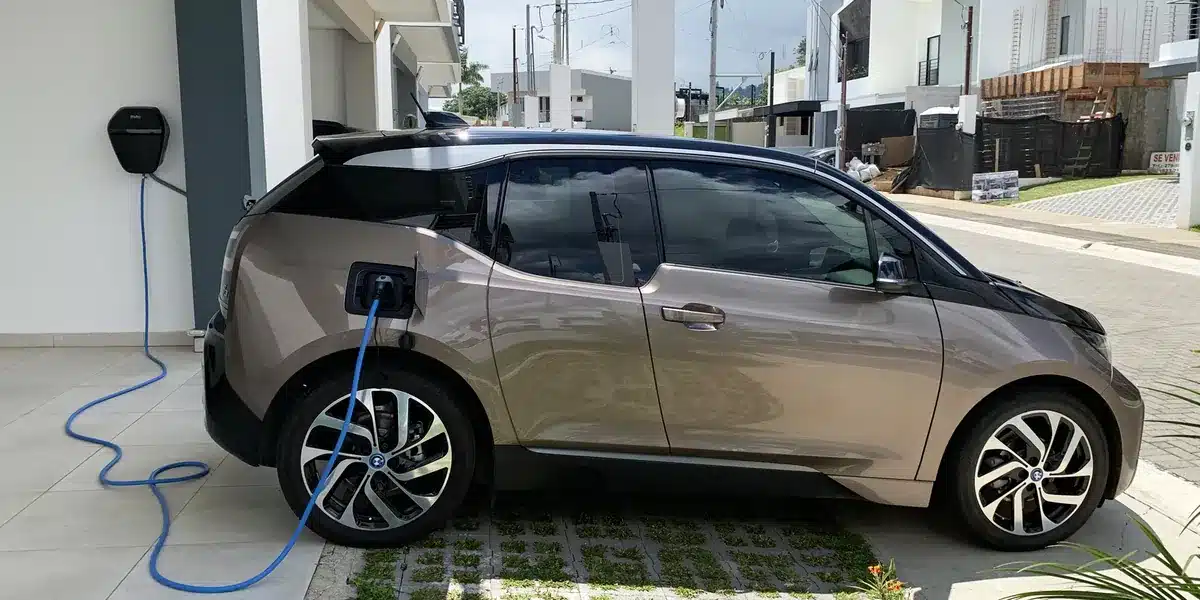
How many kWh does a full charge take? The battery holds 18.1 kWh in total and uses about 14 kWh of it in EV mode. The EPA rates the RAV4 Prime at 36 kWh per 100 miles, so charging from empty for the full 42 miles draws roughly 15 kWh from the wall — the small difference is normal charging loss. The onboard charger sets the speed: it is 3.3 kW on the SE and 6.6 kW on the XSE, which is why the same charge takes about 4.5 hours in one and about 2.5 hours in the other. Note that the 2021–2025 models cannot DC fast-charge at all; that arrives with the 2026 redesign covered above.
EV Range in Real Conditions
- Urban driving (warm weather): Approximately 44–52 miles EV-only — consistent with and sometimes exceeding EPA’s 42–54 mile ratings at city speeds
- Highway at 70 mph: Approximately 30–38 miles EV-only — aerodynamic drag reduces EV efficiency at higher speeds
- Cold weather below 0°C: Approximately 25–35 miles EV-only — battery thermal management limits available power in cold weather
- Daily commute under 40 miles: Most commuters charge overnight and drive entirely on electricity with zero gasoline use daily
How Long Does the RAV4 Prime Battery Last?
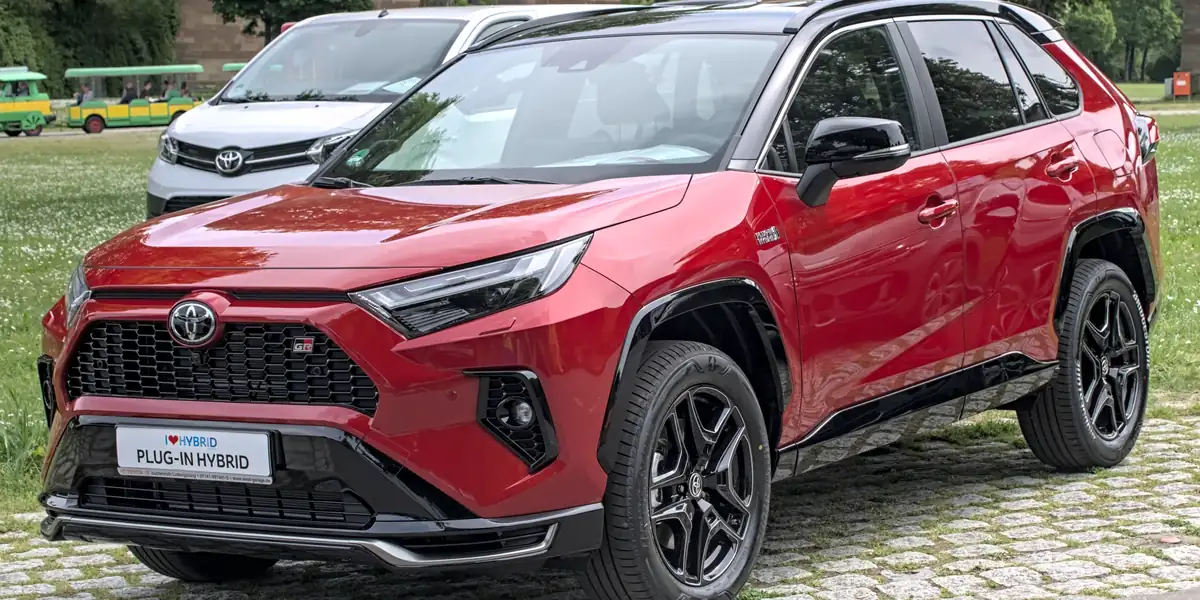
Toyota designed this battery to last the life of the vehicle, and real-world experience backs that up: Toyota hybrid and plug-in hybrid batteries commonly reach 150,000 to 200,000 miles — roughly 10 to 15 years of typical US driving — before capacity loss becomes noticeable. Failure before 100,000 miles is uncommon.
Degradation is gradual rather than sudden. The first sign is a slow shrink in electric range: a car that once managed 42 miles on a charge might manage the mid-30s after a decade. The RAV4 helps itself here — it only uses about 14 kWh of its 18.1 kWh pack in EV mode, and that unused buffer is exactly what slows aging. Heat is the bigger enemy, so the pack is liquid-cooled (see the specs above).
If a pack ever does need replacing outside warranty, it is a major repair: a new plug-in hybrid pack of this size, fitted, typically runs roughly $6,000 to $12,000 depending on the dealer and the model year. In practice, the 10-year warranty below covers the years when almost all owners still have the car, which is why very few owners ever pay it.
RAV4 PHEV Battery Warranty
Toyota’s coverage is one of the strongest in the class. On every RAV4 Prime and RAV4 Plug-in Hybrid from the 2020 model year onward, the high-voltage battery itself is covered for 10 years or 150,000 miles, whichever comes first. Other hybrid-system components — the inverter and the hybrid control modules, for example — are covered for 8 years or 100,000 miles. Because the battery is warranted for about as long as most owners keep the vehicle, an out-of-pocket battery replacement is uncommon.
RAV4 PHEV vs Competitors: PHEV Battery Comparison
Model | Battery | EV Range (EPA) | System Power | Starting Price |
|---|---|---|---|---|
Toyota RAV4 Plug-in Hybrid (2026) | 22.7 kWh | 54 miles (SE) | 324 hp AWD | From $41,500 |
Ford Escape PHEV | 14.4 kWh | 37 miles | 209 hp FWD | ~$38,000 |
Kia Sorento PHEV | 13.8 kWh | 34 miles | 261 hp AWD | ~$43,000 |
Mitsubishi Outlander PHEV | 20 kWh | 38 miles | 248 hp AWD | ~$44,000 |
Charging Tips for RAV4 PHEV Owners
- Charge every night: The 2.5–3 hour Level 2 charge time makes nightly charging trivially easy — always start the day with a full EV range
- Use departure timer: Toyota’s MyT app allows scheduling charging to finish at departure time — avoids the battery sitting at 100% overnight unnecessarily
- Use EV mode for city driving: The RAV4 PHEV defaults to EV mode in urban environments where efficiency is highest — preserve gasoline for highway stretches where hybrid mode is most efficient
- Precondition the cabin: Use the MyT app to pre-heat or pre-cool the cabin while still plugged in — avoids drawing battery power for cabin conditioning in EV mode
Frequently Asked Questions
What is the RAV4 Prime’s battery capacity?
The 2021–2025 RAV4 Prime carries an 18.1 kWh lithium-ion battery, of which about 14 kWh is used in EV mode. The redesigned 2026 RAV4 Plug-in Hybrid increases that to 22.7 kWh.
What is the RAV4 Prime’s electric range?
42 miles on a full charge (EPA) for the 2021–2025 models. The 2026 model is EPA-rated at up to 54 miles in the SE, 52 miles in the XSE and 49 miles in the Woodland and GR SPORT. With the gasoline engine included, total range is about 600 miles.
How many kWh does it take to charge a RAV4 Prime?
About 15 kWh from the wall for a full 42-mile charge. The EPA rates the car at 36 kWh per 100 miles; roughly 14 kWh of usable battery energy is restored, and the rest is normal charging loss.
How long does the RAV4 Prime battery last?
It is designed to last the life of the vehicle. Toyota hybrid and plug-in batteries commonly reach 150,000 to 200,000 miles, and the battery is covered by a 10-year / 150,000-mile warranty.
How long does it take to charge a RAV4 Prime?
About 12 hours on a household 120V outlet. On a 240V Level 2 charger, about 4.5 hours with the SE’s 3.3 kW onboard charger or about 2.5 hours with the XSE’s 6.6 kW unit. The 2026 model charges in about 2.5 hours on trims with the 11 kW charger, and the XSE and Woodland add DC fast charging (10–80% in about 30–35 minutes).
How much does a RAV4 Prime replacement battery cost?
Most owners never find out — the 10-year / 150,000-mile warranty covers the battery for the period almost everyone owns the car. Outside warranty, a new pack of this size, fitted, typically runs roughly $6,000 to $12,000; always get a quote for your exact model year before deciding on a repair.
Conclusion
The Toyota RAV4 Prime battery features a compact 18.1 kWh NMC pack. This design delivers impressive power despite its small size. Readers interested in Toyota’s fully electric models should review our bZ battery guide.
The RAV4 PHEV operates as a full-time electric vehicle for commuters driving under 50 miles daily. Owners save money by eliminating regular gasoline stops. Toyota offers a class-leading 10-year, 150,000-mile battery warranty for this model.
The 2026 upgrade increases the EPA-estimated electric range to 54 miles. This change helps the vehicle compete with other plug-in hybrids that offer longer driving distances.
