
VinFast VF8 Battery: Size, Chemistry, Charging and Warranty

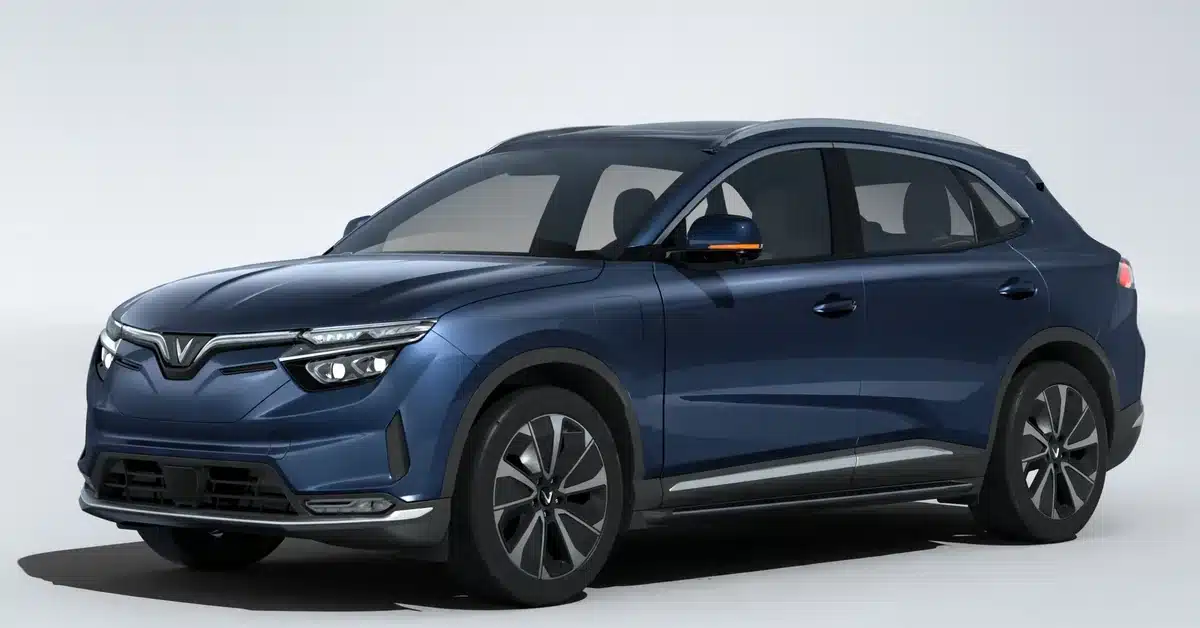
Researched from VinFast’s US specification sheet, fueleconomy.gov, EV Database, EVKX charging data, Edmunds and Car and Driver, November 2026.
The VinFast VF 8 does not have one battery story — it has two. The first 999 cars sold in the US, the 2023 “City Edition,” carried an 82 kWh battery from Samsung SDI; every VF 8 after them carries an 87.7 kWh pack built around CATL cells. Almost every spec page on the internet prints only the second number, which is how used-car buyers end up confused about why an early car charges, ranges and resells so differently.
This guide keeps the two cars separate: both packs’ sizes and ratings, what the battery is actually made of (and who makes it), the gap between VinFast’s charging claims and measured sessions, and a warranty whose battery half is far more generous than its vehicle half. It ends with the all-new, smaller VF 8 that launched abroad in November 2026 — a different car that shares this one’s name.
Almost every VF 8 on the road carries an 87.7 kWh (usable) lithium-ion pack on a 400-volt architecture; the first 999 US cars — the 2023 City Edition — have a smaller 82 kWh pack. VinFast does not publish the cathode chemistry; the cells came first from Samsung SDI, then CATL.
• Range (EPA): 256 miles (Eco) / 235 miles (Plus) with the 87.7 kWh pack; 207 / 191 miles for the City Edition
• Charging: 150 kW claimed peak — about 110 kW is the highest measured; AC charging up to 11 kW
• Battery warranty (US): 10 years with unlimited miles; the 70% capacity floor applies to battery-subscription cars
• Replacement cost: no published price exists — the honest answer is in the replacement section below
The Battery: Two Packs, Not One
The VF 8’s battery depends on when the car was built: 82 kWh (usable) in the first US cars, 87.7 kWh (usable) in everything after — and VinFast publishes no gross figure at all, so treat any “90 kWh” or “94 kWh” gross number you see as a database estimate, not a fact. Both packs run a nominal 403 volts, classed as a 400-volt architecture. The distinction matters most to used buyers, because the two packs carry different suppliers, different EPA ratings and different range.
| Pack | Usable capacity | Cells supplied by | Sold as |
|---|---|---|---|
| Standard Range | 82 kWh | Samsung SDI | 2023 City Edition — the first 999 US cars |
| Extended Range | 87.7 kWh | CATL | Standard Edition onward (US, from May 2023), all later cars |
Which pack does a used VF 8 have?
The simple test is the badge and the paperwork: a 2023 car sold as a City Edition has the 82 kWh pack; anything sold as a Standard Edition, and every 2024-onward car, has the 87.7 kWh pack. The range ratings in the next section make the same distinction visible — a window sticker showing 207 miles (Eco) belongs to the small-pack car. European cars were sold as Eco and Plus Extended Range versions of the big pack; a front-wheel-drive Eco existed in some markets, but US cars are all dual-motor all-wheel drive.
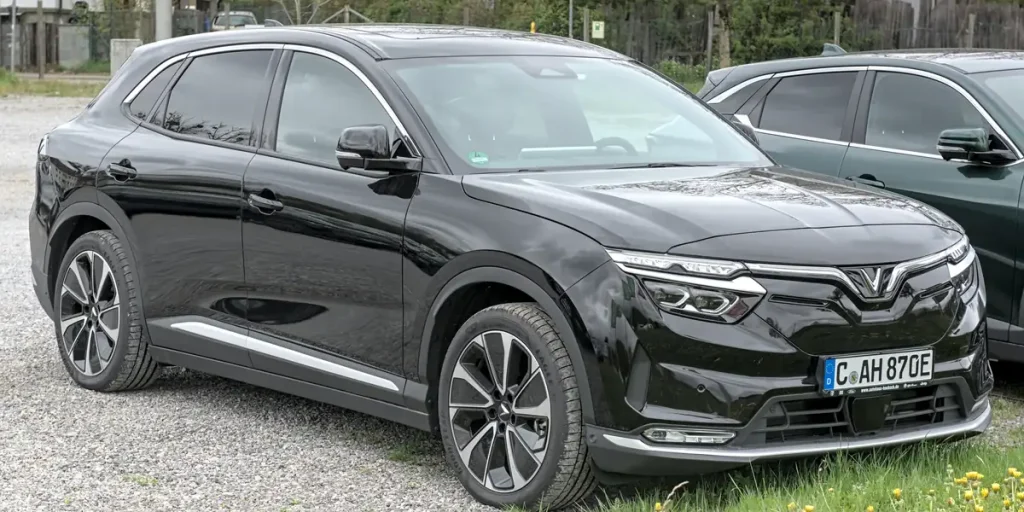
Chemistry: What the VF 8 Battery Is Made Of
Ask what brand a VinFast battery is and the honest answer is a timeline, not a name: Samsung SDI supplied the launch cars, CATL supplies the 87.7 kWh pack, and VinFast’s own battery company, VinES, assembles packs in Vietnam. The cathode chemistry is the part nobody official will state. VinFast does not publish it; EV Database lists it as “No Data,” and the one database that names a cathode — EVKX — lists NCA, a nickel-based chemistry. Pages that flatly call this battery “NMC” are repeating a guess, and this page will not.
Why the supplier changed
The switch tracks the packs themselves: Samsung SDI cells for the 82 kWh City Edition run, then CATL — the world’s largest EV battery maker — for the 87.7 kWh Extended Range pack that became the standard car, as Car and Driver reported in its 2023 instrumented test. VinFast also signed a broader collaboration agreement with CATL in October 2022. Meanwhile the Vietnamese LFP story belongs to the smaller cars: the Gotion–VinES joint venture’s LFP cell plant in Ha Tinh province supplies the models built around lithium-iron-phosphate — the VF 3 / VF 5 class — not the VF 8.
What about a “battery passport”?
Searches for a VinFast battery passport land on a regulation, not a product: from February 2027, EV batteries placed on the EU market need a digital battery passport recording their materials and history. No VF 8-specific passport exists today. It matters to this car only if VinFast sells it in Europe under the new rules — one more reason the chemistry question above deserves a straighter answer than VinFast currently gives.
Range: EPA Ratings Split by Pack
With the 87.7 kWh pack, the VF 8 is EPA-rated at 256 miles in Eco trim and 235 miles in Plus trim; the 82 kWh City Edition cars were rated 207 and 191 miles. VinFast’s own earlier estimates of 264 and 243 miles were superseded by the official label figures — if a listing quotes them, it is quoting the old brochure. On Europe’s WLTP cycle the Extended Range Eco claims 471 km.
| Version | Battery (usable) | EPA range | Power (US) |
|---|---|---|---|
| Eco | 87.7 kWh | 256 miles | 348 hp, dual-motor AWD |
| Plus | 87.7 kWh | 235 miles | 402 hp, dual-motor AWD |
| Eco City Edition (2023) | 82 kWh | 207 miles | dual-motor AWD |
| Plus City Edition (2023) | 82 kWh | 191 miles | dual-motor AWD |
What drivers actually get
EV Database estimates real-world range for the Eco Extended Range at about 250 miles overall — close to its EPA figure in mild weather, falling to roughly 180 miles on a cold highway. The one instrumented test of the small-pack car surprised in the other direction: Car and Driver’s 75-mph highway test of a Plus City Edition returned 210 miles, beating its own 191-mile EPA rating. In short, the big-pack car does roughly what its label says in kind weather and noticeably less in winter; the small-pack car’s label was, if anything, pessimistic on the highway.

Charging: The Claim, the Measurement, and the Lawsuit
VinFast claims a 150 kW DC peak and 10–70% in 31 minutes; the highest peak EVKX has recorded in a real session is about 110 kW, and a 10–80% charge averages roughly 85–105 kW over about 37–44 minutes. That gap — brochure versus charger — is the single most useful thing to know about charging this car. The pack’s best window is roughly 11–70% state of charge; beyond it, speeds fall away, and a full 0–100% DC session averages only about 35 kW.
| Charging | Figure | Source |
|---|---|---|
| DC peak | 150 kW claimed; ~110 kW highest measured | VinFast spec sheet; EVKX session data |
| DC 10–80% | about 37–44 minutes (85–105 kW average) | EV Database; EVKX |
| AC (home/public) | up to 11 kW | EV Database; EVKX |
| Home charge 0–100% | about 8–12 hours at 240 V | EV Database; EVKX; Edmunds |
The Level 2 lawsuit — read the claim carefully
The car’s AC limit is 11 kW, but US owners have sued VinFast alleging their VF 8 Plus cars charged at under 2 kW on Level 2 and shut down at the advertised 32-amp rate, forcing them to charge at 19 amps. Those are allegations, not findings: a federal judge paused the class action in November 2025 and sent the claims to arbitration. It is included here because it is the context behind this page’s most-searched charging question — if a VF 8 charges implausibly slowly at home, its owner is not the first to report it, and the complaint is a matter of court record.
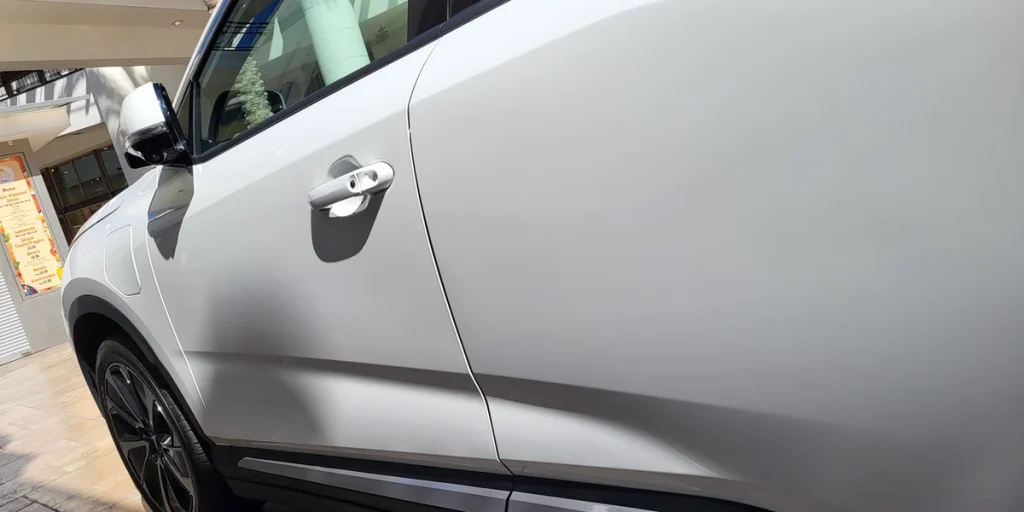
Warranty: The Battery Half Is the Generous One
In the US, the VF 8’s battery is warranted for 10 years with unlimited miles — while the car around it is covered for 10 years or 125,000 miles, whichever comes first. The two warranties deliberately have different coverage periods, which answers one of this page’s most-asked questions. In Europe and Canada the same split holds in metric: 10 years / 200,000 km for the vehicle, 10 years with unlimited kilometres for the battery on retail cars. Both warranties transfer to the next owner — a real asset in a car whose used prices have fallen as far as this one’s have (see Prices below).
| Cover (US) | Term | Capacity promise |
|---|---|---|
| Vehicle (basic) warranty | 10 years / 125,000 miles | — |
| High-voltage battery warranty | 10 years / unlimited miles | No published degradation threshold for purchased batteries |
| Battery subscription (where it applies) | Life of the subscription | Free replacement below 70% capacity |
The middle row’s empty cell matters more than it looks. The famous 70% figure is contractual only for battery-subscription cars, whose packs remain VinFast’s property. For a battery you bought outright, VinFast has never published the capacity floor below which it will repair or replace the pack — worth knowing before assuming the headline warranty means the same thing on every car.
Battery Life and Replacement: The Honest Absences
There is no measured degradation dataset for the VF 8 — no fleet study, no published state-of-health survey — and there is no published replacement price for its battery pack. Anyone quoting you either figure is inventing it. What exists: one Vietnamese owner’s report of “very low” degradation after three years and roughly 100,000 km, with no percentage attached, and VinFast’s own behaviour, which tells its own story — the company originally refused to sell Americans this battery at all.
The subscription saga, because it still governs early cars
When the VF 8 launched in the US in 2022, the battery was not included in the price. Buyers subscribed: $35 a month “Flexible” (310 miles included, then about $0.11 a mile) or $110 a month “Fixed” for unlimited miles, with early reservers promised the Fixed rate for the life of the car. In exchange, VinFast kept ownership of the pack, covered its maintenance, and promised free replacement if capacity fell below 70%.
The subscription was mandatory through 2023; only later were US cars sold with the battery included. That history explains two things a buyer meets today: why early US list prices ($40,700–$48,000) appear to exclude something, and why an early car’s battery paperwork deserves a careful read — the warranty that protects it may be the subscription’s, with its contractual 70% floor.
So when would a VF 8 battery be replaced, and at what cost?
On the evidence available: inside the 10-year battery warranty, a failed pack is a claim, not a purchase — and on a subscription car, the below-70% trigger is written into the contract. Outside warranty, no price exists to quote: no parts listing, no dealer quote, no reputable report. The only number VinFast itself has ever put near the question is its 2022 marketing line that the lease spared owners “replacing a 15 or 20 thousand dollar battery” — a sales argument from launch day, not a price. The realistic timeline is the warranty itself: with unlimited US miles and a decade of cover, most VF 8 packs will be VinFast’s problem for as long as their first two owners keep them.
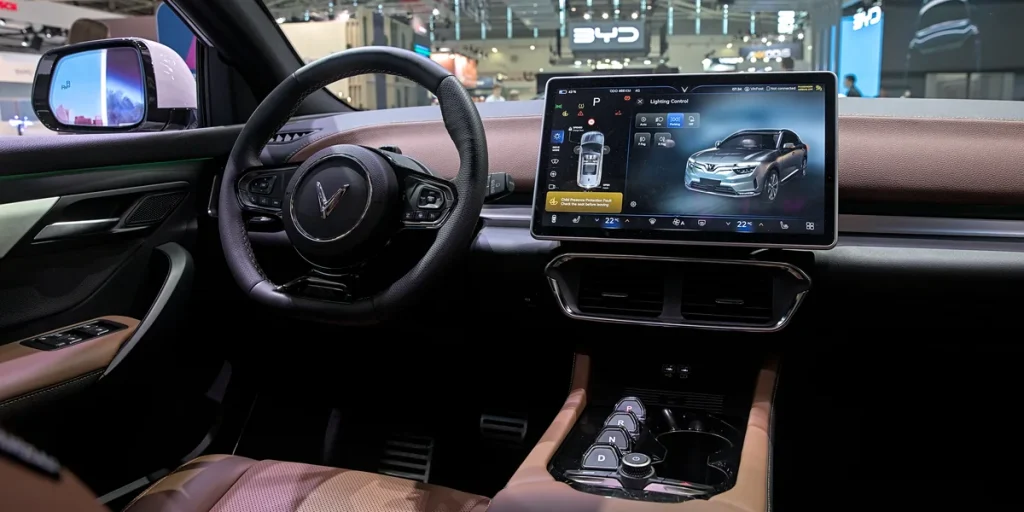
The All-New VF 8: A Different Car With the Same Name
Revealed in Vietnam on 21 May 2026 and launched in its first export market — the Philippines — on 10 November 2026, the second-generation VF 8 is a smaller, front-wheel-drive car with a 60.13 kWh battery. Nothing in this section describes the car sold in the US, and none of its figures should be mixed into the sections above: it is 49 mm shorter with a wheelbase 110 mm shorter, drives one front motor of 228 hp, claims up to 480 km on the lenient NEDC cycle, and charges at up to 100 kW DC (10–70% in under 30 minutes) and 7.2 kW AC.
Philippine buyers choose ₱1,548,000 with a battery subscription (₱3,350 a month) or ₱1,799,000 with the battery included; its battery warranty there is 10 years / 200,000 km. Even its chemistry is not settled in print: Philippine launch coverage describes an LFP pack, while Wikipedia’s specification says Samsung SDI NMC — VinFast’s own release names neither, so this page states neither as fact. And for US and European readers the operative fact is an absence: VinFast has announced no plan to sell the new car in the US or Europe. America keeps the first-generation car, next section.
Prices and the US Reality
The first-generation VF 8 remains on sale in the US as a 2027 model: $40,400 for the Eco and $45,600 for the Plus, with October 2026 offers of a $399-a-month Eco lease or 0% financing for up to 84 months. That is a strange sentence to write about a car whose maker registered just 389 vehicles in the US through July 2026 — but it is the market as it stands. The US operation switched from direct sales to franchise dealers in 2025; VinFast claims about 22 dealers, fewer of them visibly active, and its chairwoman has said no more will open until the market stabilises.
The battery angle on all of this is the used market. Average used Eco values sit around $21,158, with low-mileage 2023 cars advertised from about $16,000 — a car that listed near $46,000 in 2025.
For a buyer, that collapse is precisely why this page leads with the battery: at those prices the car is a battery with a warranty attached, and the warranty — 10 years, unlimited miles, transferable — is the strongest part of the deal. Two cautions ride along: check which pack a cheap 2023 car carries (City Edition means 82 kWh and 207 miles), and know that VinFast’s North Carolina plant — promised for these cars — stands unbuilt, with the state suing in May 2026 to reclaim the site while VinFast says construction resumes in 2026 for a 2028 start.
Frequently Asked Questions
What size battery does the VinFast VF 8 have?
87.7 kWh usable in almost every car — Eco and Plus alike. The exception is the first 999 US cars, the 2023 City Edition, which carry an 82 kWh pack. VinFast publishes no gross capacity; figures around 90–94 kWh in databases are estimates.
What battery brand does the VF 8 use?
Its cells came from Samsung SDI in the launch (City Edition) cars and from CATL in the 87.7 kWh cars that followed. VinFast’s own battery company, VinES, assembles packs in Vietnam; the Gotion–VinES LFP plant supplies VinFast’s smaller models, not the VF 8.
What type of battery is in the VF 8 — NMC or LFP?
Neither label is official. The Gen-1 pack is a nickel-based lithium-ion battery — EVKX lists its cathode as NCA — and VinFast does not publish the chemistry. It is not LFP; the LFP packs belong to VinFast’s smaller cars and, reportedly, to the all-new 2026 VF 8 sold in Asia.
How far does the VF 8 go on a charge?
EPA ratings: 256 miles (Eco) and 235 miles (Plus) with the 87.7 kWh pack; 207 and 191 miles for the City Edition. Real-world estimates centre on about 250 miles in mild weather for the Eco, falling toward 180 miles on a cold highway.
How fast does the VF 8 charge?
VinFast claims 150 kW DC and 10–70% in 31 minutes. Measured sessions peak at about 110 kW, and a 10–80% charge takes roughly 37–44 minutes. At home it charges at up to 11 kW AC — a full charge takes about 8–12 hours.
How long does the VF 8 battery warranty last?
In the US, 10 years with unlimited miles for the battery; the vehicle warranty is 10 years or 125,000 miles. The battery warranty transfers to later owners. A published capacity floor (70%) exists only for battery-subscription cars.
How much does a VF 8 battery replacement cost?
No published price exists — no parts listing or dealer quote is public. Within the 10-year battery warranty a failed pack is a claim; on subscription cars, replacement below 70% capacity is free under the contract. Figures quoted elsewhere trace back to VinFast’s 2022 marketing line about a “15 or 20 thousand dollar battery,” which was never a price.
Is the new 60 kWh VF 8 coming to the US?
VinFast has announced no US or European launch for the second-generation car (revealed May 2026 in Vietnam, launched in the Philippines in November 2026). The US continues with the first-generation VF 8 as a 2027 model.
Conclusion
The VF 8’s battery story rewards precision, because almost every simple version of it is wrong somewhere: two packs, not one; a supplier that changed with them; a chemistry its maker never published; a charging claim a third above anything measured; and a battery warranty more generous than the car’s own. Get those five things right and the rest falls into place — including the used-car maths, where a transferable 10-year, unlimited-mile battery warranty sits inside cars now selling for half their list price. Just check which battery the car in front of you actually has. On this model, that is always the first question.
