
Chevy Bolt Battery: Complete Owner Guide

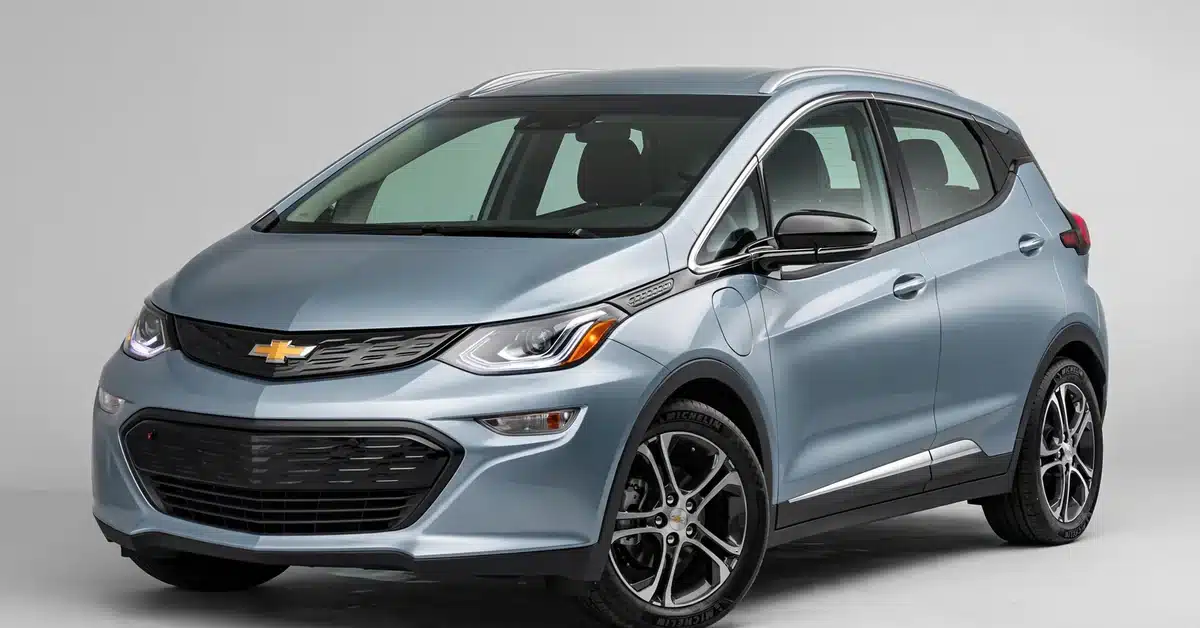
The Chevy Bolt EV was America’s most affordable long-range electric car for most of its production run — and its 66 kWh battery (65 kWh in the EUV) remains one of the most studied in the industry. The Bolt’s story includes a landmark battery recall, an LG Energy Solution partnership, and some of the best real-world battery longevity data among any first-generation EV. This complete Chevy Bolt battery guide covers every specification, the recall history, degradation data from real owners, and what you need to know when buying a used Bolt in 2025 or 2026 — including how it compares to its crossover sibling, the Chevy Bolt EUV.
Quick answer
The Chevy Bolt (2017–2023) uses an LG NMC pouch-cell pack: 60 kWh and 238 miles in the 2017–2019 cars, 66 kWh and 259 miles in the 2020–2023 EV, and 65 kWh and 247 miles in the EUV. A replacement pack costs many owners $0 under the warranty or the fire recall; out of coverage, figure on about $16,000–$20,000 at a dealer, ~$10,000 remanufactured, or $2,500–$3,000 used plus labour. The warranty is 8 years / 100,000 miles with a 60% capacity floor — a Bolt-specific figure.
Key figures: 60 / 66 / 65 kWh · up to 259 mi · 55 kW DC peak · 8 yr / 100,000 mi warranty, 60% floor
Chevy Bolt Battery: All Generations and Specs
| Model Year | Model | Battery Size | EPA Range | Supplier | Chemistry |
|---|---|---|---|---|---|
| 2017–2019 | Bolt EV | 60 kWh | 238 miles | LG Chem | NMC pouch cells |
| 2020–2023 | Bolt EV | 66 kWh | 259 miles | LG Energy Solution | NMC pouch cells (improved) |
| 2022–2023 | Bolt EUV | 65 kWh | 247 miles | LG Energy Solution | NMC pouch cells |
| 2027 | Bolt EV (new) | 65 kWh | 262 miles | CATL (initially) | LFP |
Chevy Bolt Battery: Key Technical Details
The Bolt EV uses NMC (Nickel Manganese Cobalt) lithium-ion chemistry in large-format pouch cells from LG Energy Solution (formerly LG Chem). The pack contains 288 pouch cells arranged in 96 cell groups of 3 cells each (a 96s3p layout), in 10 modules. The battery operates on a 350–430V architecture with liquid thermal management — a significant advantage over the Nissan Leaf’s passive air cooling.
The Bolt’s thermal management system uses a liquid glycol coolant that flows through cooling plates between cell layers. This keeps the pack between 15°C and 45°C during normal operation and enables DC fast charging without the rapid heat buildup that shortens battery life in passively cooled vehicles.
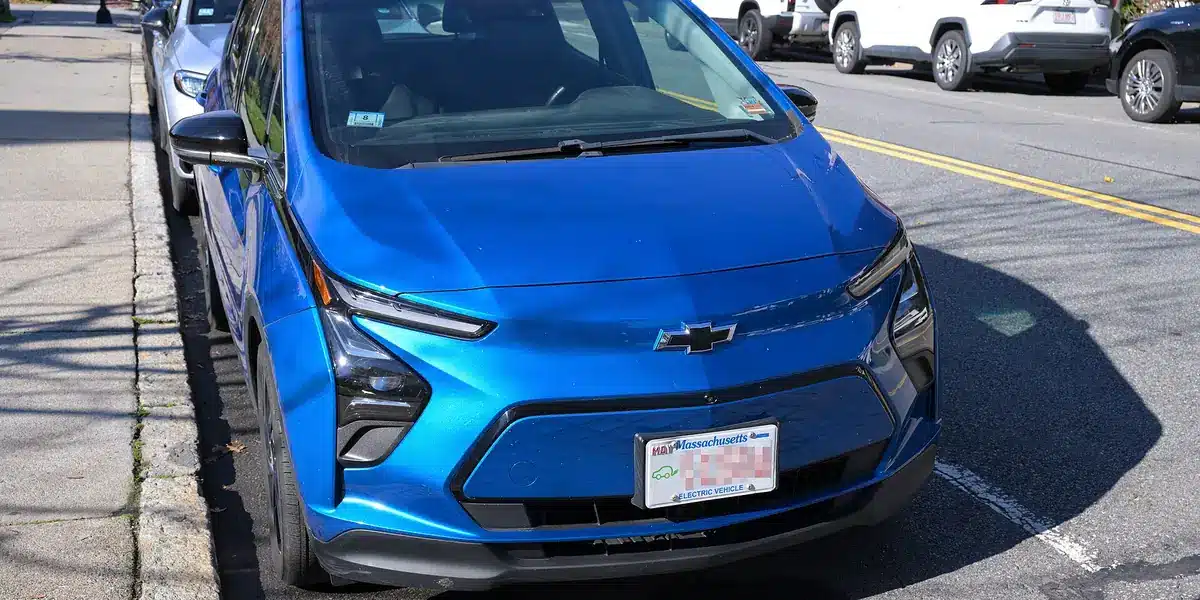
- Nominal voltage: ~350–430V
- Usable capacity: 60 kWh (2017–2019) / 66 kWh (2020–2023 EV) / 65 kWh (EUV)
- Cell format: Large-format NMC pouch cells
- Thermal management: Active liquid cooling
- DC fast charging: CCS1, up to 55 kW (2017–2019) / 55 kW (2020–2023)
- AC charging: 7.2 kW onboard charger (2017–2021) / 11.5 kW (2022–2023)
- Battery weight: ~960 lb (435 kg)
The Chevy Bolt Battery Recall: What Happened and What Was Done
The Chevy Bolt’s biggest story — and its most misunderstood — is the battery recall that ran from 2021 through 2023. In rare cases, a manufacturing defect in LG Energy Solution’s battery modules could trigger thermal runaway during or after charging. GM first issued software updates limiting charge to 90%, then expanded the recall to physical battery replacement for 2017–2022 Bolt EVs and 2022 Bolt EUVs.
The physical replacement packs were often new or remanufactured units with improved chemistry from LG Energy Solution. Owners who received replacement packs saw their usable capacity increase slightly to approximately 66 kWh — better than the original. The recall also reset the degradation clock on those packs, meaning many used Bolts with high mileage may have nearly new batteries if the recall was completed.
For any used Bolt purchase, verifying recall completion is the single most important step. Check via the NHTSA VIN lookup tool or directly with a Chevy dealer. A Bolt with a completed recall and a new replacement pack is a fundamentally different purchase than one with the original pre-recall pack.
The remedy was not the same for every car. Bolts from 2017–2019 received all-new packs — built to the later 66 kWh specification, about 8% more capacity than the originals. For 2020–2022 cars, GM’s final remedy (June 2023) was advanced diagnostic software: the pack is monitored continuously, and it is replaced only if the software flags a fault. Every pack fitted under the recall carries a fresh 8-year / 100,000-mile limited part warranty from its install date — one reason a recall-completed used Bolt can be a better buy than a lower-mileage car still on its original pack.
Chevy Bolt Battery Degradation: Real Owner Data
The Bolt EV has developed a strong reputation for battery longevity among first-generation EVs. Owner-collected data from the Chevy Bolt Forum and independent monitoring consistently shows modest degradation:
- 2020–2023 Bolt EV (66 kWh packs): Most owners report usable capacity still in the low-60 kWh range after 40,000–80,000 miles — around 5–10% degradation total.
- 100,000-mile Bolts: Real-world reports of 100k-mile Bolt EVs still consistently achieving 200+ miles of range are common in owner communities.
- The 471,616-mile proof case: The highest-mileage documented Bolt — a 2019 car — covered 471,616 miles. Its recall replacement pack, fitted at about 138,000 miles in 2022, lasted more than 330,000 miles before failing from cell imbalance in two modules, and the owner kept the car going with a used donor pack costing about $1,800.
- 60 kWh vs 66 kWh packs: Data comparing original 60 kWh packs to newer 66 kWh packs shows the newer chemistry degrading at roughly half the rate over a similar timeframe.
| Mileage | Typical SOH (2020–2023 Bolt, 66 kWh) | Estimated Range Remaining |
|---|---|---|
| 0–20,000 miles | 96–100% | 248–259 miles |
| 20,000–50,000 miles | 90–96% | 233–248 miles |
| 50,000–100,000 miles | 85–92% | 220–238 miles |
| 100,000–150,000 miles | 78–88% | 202–228 miles |
Signs Your Bolt’s Battery Is Failing
Watch for these warning signs: a ‘Service Vehicle Soon’ or reduced-propulsion-power message; range falling away much faster than the miles you drive; charging that stops well before the target level; or a pack that suddenly shows far less capacity than it did a few months ago. In the documented high-mileage cases, the cause was cell imbalance in one or two modules rather than the whole pack wearing out. Any of these signs is a reason to run the VIN check and book a dealer battery diagnostic before paying for anything — warranty or recall coverage may still apply.
Chevy Bolt Battery Warranty
GM covers the Bolt’s battery with an 8-year / 100,000-mile warranty against defects and capacity loss below 60% of original capacity. The 60% trigger is lower than many competitors (Tesla triggers at 70%, Hyundai at 70%) — meaning owners must experience a significant drop before warranty coverage kicks in. For most Bolt owners with modest annual mileage, this warranty provides solid long-term protection.
The 60% floor is a Bolt-specific figure taken from this car’s own warranty booklet — do not confuse it with the 75% capacity floor on GM’s newer Ultium EVs (Equinox EV, Blazer EV), or with the 70% figure generic websites wrongly quote for the Bolt. And if your Bolt received a recall replacement pack, that pack carries its own fresh 8-year / 100,000-mile warranty from the day it was installed.
Chevy Bolt Battery Replacement Cost
For many Bolt owners, a replacement battery costs nothing. Three free paths cover a large share of the cars on the road: the original 8-year / 100,000-mile warranty (with its 60% capacity floor); the battery recall — if your car is flagged, GM replaces the pack free; and the fresh 8-year / 100,000-mile part warranty that every recall replacement pack carries from its install date. Check your VIN on the NHTSA site or with a Chevy dealer before pricing anything.
If none of those apply, the realistic paid options in 2026 are these. A new pack fitted by a dealer runs roughly $16,000–$20,000 or more — and GM no longer supplies new packs for some model years, so availability varies. A remanufactured pack from a specialist such as Greentec Auto costs about $10,000; remanufactured packs carry their own shorter warranties, typically 1–3 years, unlike GM’s 8-year terms. A used pack runs about $2,500–$3,000 plus $800–$1,000 of labour — the swap takes roughly 4.5 hours. At those prices, the honest comparison for an older Bolt is often the value of the whole car.
Read more: our EV battery replacement cost guide compares pack prices across brands.
Chevy Bolt DC Fast Charging: The 55 kW Limitation
The biggest practical limitation of the Bolt’s battery system for road trippers is its 55 kW maximum DC fast charging rate — unchanged across all generations of the first-generation Bolt. At a 55 kW DC fast charger, the Bolt takes approximately 60 minutes to reach 80% from near empty. This is significantly slower than competitors like the Hyundai Ioniq 6 (~235 kW, about 18 minutes) or even the Tesla Model 3 Standard Range (170 kW, ~25 minutes).
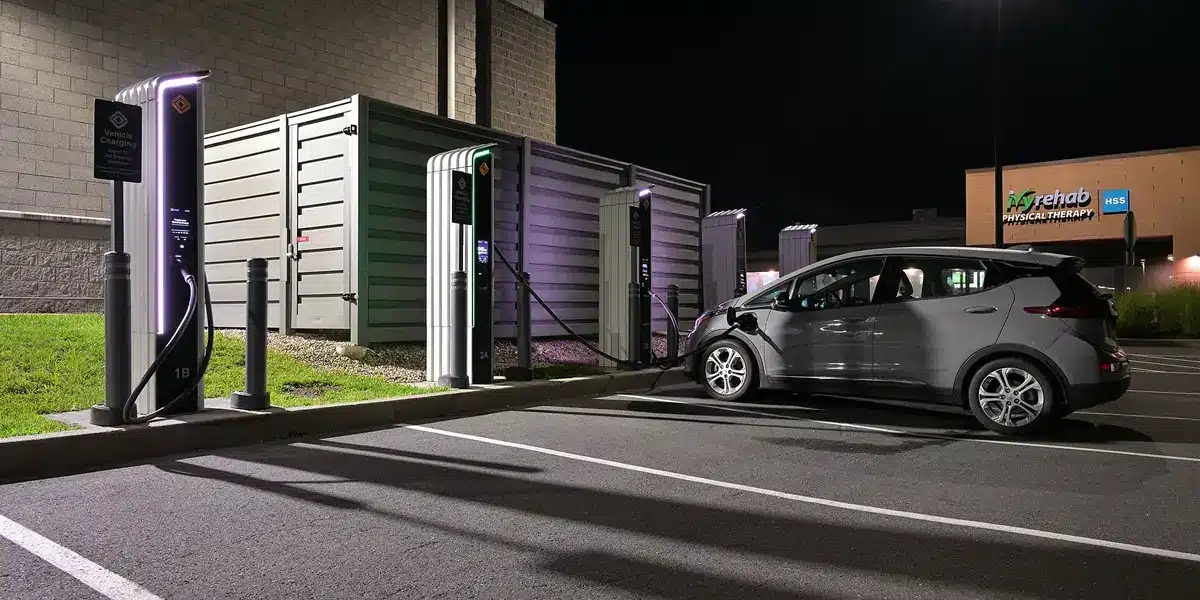
For local and daily driving where Level 2 home charging is the primary method, the 55 kW DC limit is irrelevant — 7.2 kW overnight charging fills the pack in about 9 hours. The limitation matters only for long road trips requiring multiple fast-charge stops.
Two things used buyers should know. First, AC charging improved late in the run: 2017–2021 cars have a 7.2 kW onboard charger (about 9.5 hours for a full charge), while 2022–2023 cars charge at 11.5 kW (about 7 hours) — the second paragraph of this section describes the early cars. Second, DC fast charging was an option on some early base-trim cars and became standard from 2022, so check any early used Bolt for the DC charge port before assuming it can fast-charge.
The 2027 Chevy Bolt: An LFP Comeback
Chevrolet has brought the Bolt back for 2027 — and it is a different battery story. The new car uses a 65 kWh lithium iron phosphate (LFP) pack with prismatic cells, supplied initially by CATL and later by Ultium Cells in Tennessee, good for 262 miles of EPA range and 210 hp. It rides on an updated version of the old car’s BEV2 platform — the taller Bolt EUV body — not the Ultium platform of the Equinox and Blazer EVs.

Charging transforms: a 150 kW DC peak (10–80% in about 26 minutes) replaces the old car’s 55 kW, the charge port is a native NACS inlet, and the car can power a home at up to 9.6 kW (vehicle-to-home). Prices start at $28,995 including destination for the LT (RS $32,995), and Chevrolet describes the car as a limited run of roughly one long model year. One ownership habit flips with the chemistry: LFP packs are happiest being charged to 100% regularly — the opposite of the 80% habit that suits the old car’s NMC pack.
The Bolt’s 12-Volt Battery
The Bolt also carries a conventional 12-volt battery — an AGM unit, Group 47 (H5) size. It powers the computers, locks and displays, and the high-voltage pack keeps it charged automatically. Expect 3–5 years of life. A failing 12-volt battery is a classic Bolt no-start: the car may refuse to power on or show random warning messages even with a healthy main pack, so it is the first thing to check before suspecting the expensive battery.
Chevy Bolt Battery Charging Tips
- Set daily charge limit to 80–90%: The Bolt’s onboard charging settings allow you to limit AC charging. For daily use, 80% is the sweet spot for battery longevity on NMC chemistry.
- Charge after driving, not before: Charge at night after arriving home rather than immediately before departure. This reduces the time the battery spends at high state-of-charge.
- Limit DC fast charging to 1–2 times per day: The Bolt’s 55 kW DC rate generates moderate heat. Back-to-back fast charges in hot weather without a cooldown period can raise pack temperatures.
- Use Hilltop Reserve mode: Some Bolt models include a Hilltop Reserve setting that caps charge at approximately 90% — useful for drivers who want a buffer without manually adjusting the slider each time.
- Precondition in extreme cold: The Bolt supports battery preconditioning via the app — enabling this while still plugged in warms the pack before departure, preserving range and protecting cells from cold-charge stress.
Frequently Asked Questions
What kind of battery does a Chevy Bolt have?
An LG lithium-ion pack using NMC pouch cells — 288 cells in 10 modules, liquid-cooled. Capacity depends on the car: 60 kWh (2017–2019), 66 kWh (2020–2023 Bolt EV) or 65 kWh (Bolt EUV). It is not an LFP battery; the LFP pack arrives with the 2027 Bolt.
How much does it cost to replace a Chevy Bolt battery?
Often nothing: the 8-year / 100,000-mile warranty, the fire recall and the fresh warranty carried by recall packs cover many cars — check your VIN first. Out of coverage, a dealer-fitted new pack runs about $16,000–$20,000 or more, a remanufactured pack about $10,000, and a used pack $2,500–$3,000 plus $800–$1,000 of labour.
How many years does a Chevy Bolt battery last?
The documented evidence is strong: one 2019 Bolt covered 471,616 miles, and its recall pack alone lasted more than 330,000 miles. Owner consensus puts typical life at 10–20 years or 100,000–200,000+ miles, with most cars losing roughly 5–10% of capacity over the first 50,000–80,000 miles.
Which Chevy Bolt years were recalled?
2017–2022 Bolt EVs and 2022 Bolt EUVs — about 142,000 cars in the US — for a fire risk from two defects in LG cells (a torn anode tab and a folded separator). Cars from 2017–2019 received all-new packs; 2020–2022 cars received advanced diagnostic software as the final remedy, with packs replaced if flagged.
Does the Chevy Bolt use an Ultium battery?
No. The 2017–2023 Bolt predates Ultium — its LG NMC pack sits on the BEV2 platform. Even the 2027 Bolt is not Ultium: it uses an LFP pack on an updated BEV2 platform. Ultium is the platform under the Equinox EV, Blazer EV and other newer GM EVs.
Can I replace a Chevy Bolt battery myself?
Realistically, no. It is a ~960 lb high-voltage pack that needs a lift, insulated tools and dealer-level software to pair and calibrate. This is a dealer or EV-specialist job — labour on a used-pack swap runs about $800–$1,000 for roughly 4.5 hours of work.
Conclusion
The Chevy Bolt battery is one of the most proven and reliable EV battery systems in the American market. Its 66 kWh NMC chemistry from LG Energy Solution delivers exceptional long-term durability — most owners report only 5–10% capacity loss after 50,000–80,000 miles. The battery recall resolved a manufacturing defect and left many used Bolts with essentially new replacement packs. Buyers wanting the taller crossover body style with the same underlying battery should see our Chevy Bolt EUV battery guide. For anyone shopping for a used American-market EV under $25,000 in 2026, the Chevy Bolt’s battery story is one of the strongest in its class.
