
EV Charging Safety: How to Charge Your EV Safely at Home

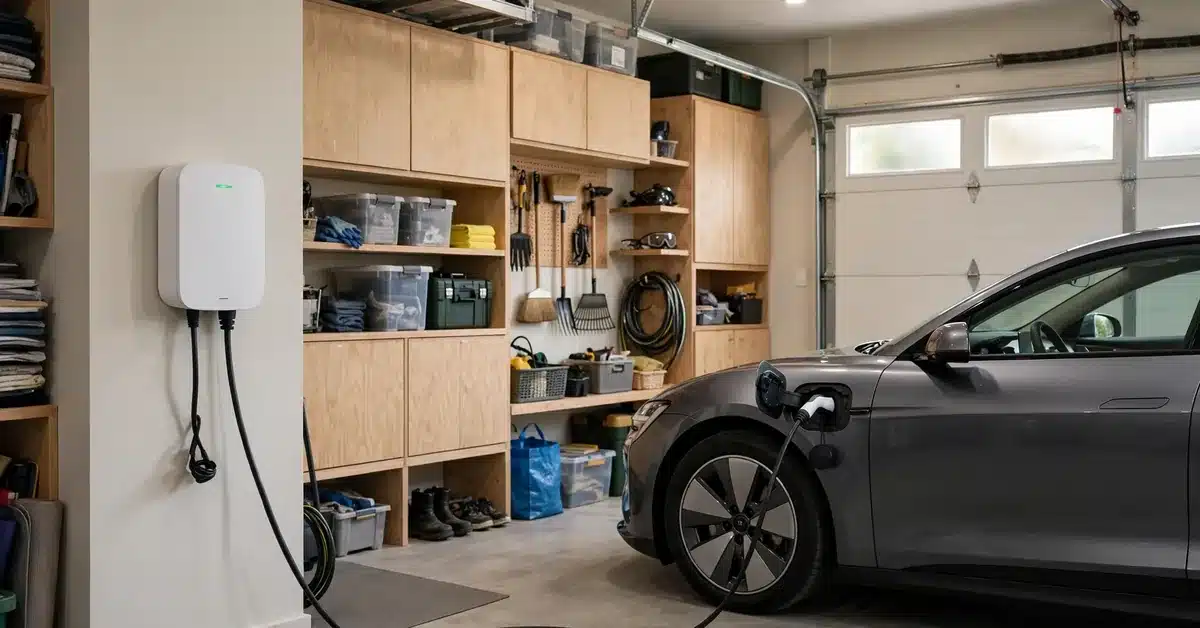
EV charging safety depends on your equipment, wiring, and habits, not just your vehicle. Most charging fires trace back to old wiring or uncertified chargers, not the car itself. This guide covers garage charging, overnight risks, and simple steps that keep your home and family safe.
Is It Safe to Charge an EV in Your Garage?
Yes, charging an EV in your garage is safe when done correctly. Fire officials, including Miami-Dade Fire Rescue, confirm that proper setup makes indoor charging low-risk. The real danger usually comes from outdated wiring, not the battery itself.
One garage charging study found EVs make up a tiny share of all vehicle fires. In Sweden, EVs account for just 0.4% of the 3,400 yearly vehicle fires. That’s far lower than most people assume.
Problems tend to come from three sources:
- Old or worn electrical outlets
- Mismatched chargers not made for your EV
- Extension cords used instead of a direct connection
Avoid these three issues, and garage charging stays low-risk.
How to Make Your Garage Safer for EV Charging
A few upgrades make a real difference in EV charging safety. These steps address both electrical risk and fire response time.
Get a dedicated circuit. Your charger should run on its own circuit, not shared with other appliances. This prevents overloading and reduces heat buildup in the wiring.
Hire a licensed electrician. A certified installer ensures your setup meets local code. This step alone prevents most charging-related electrical fires.
Clear the clutter. Keep flammable items like paint, gasoline, and oily rags away from your charging station. An open, uncluttered garage also improves airflow.
Add ventilation. Good airflow helps regulate heat around your charging equipment. A cracked window or small fan works well in hot climates.
Keep the right extinguisher on hand. Store a Class ABC extinguisher rated for electrical fires within easy reach of your charging setup.
Should You Install a Fire Suppression System for EV Charging?
A fire suppression system adds a strong layer of protection, especially in attached or underground garages. These systems detect heat or smoke early and respond before a fire spreads.
Consider one if you charge in a shared or enclosed structure, like an apartment garage. Standalone homes with detached garages carry lower stakes, but suppression systems still add peace of mind.
Basic options include heat-triggered sprinkler add-ons and standalone smoke-and-heat sensors tied to your home alarm. Talk to a fire safety professional about what fits your specific garage layout.
Does Charging EV Overnight Increase Fire Risk?
Charging overnight doesn’t meaningfully raise your fire risk if your setup is done right. Some data shows 18% to 30% of EV fires happen while a vehicle is plugged in. But that number reflects how much time EVs spend charging, not extra danger from the act itself.
Most EVs charge overnight simply because that’s when owners are home. A properly wired, certified charging setup carries the same low risk at 2 a.m. as it does at 2 p.m.
That said, a few precautions add extra safety overnight:
- Wait 10–15 minutes after driving before plugging in to let the battery cool
- Avoid charging to 100% every single night
- Keep a working smoke detector in the garage, connected to your home alarm
What Is the Safest Place to Park an EV at Home?
The safest spot depends on your home’s layout and local weather risks. A detached garage or open driveway generally poses less risk to your home than an attached garage.
Attached garages put a potential fire closer to your living space. If you have concerns about ventilation or wiring, parking in an open driveway during charging reduces that risk further.
During severe weather events, like hurricanes or wildfires, moving your EV outdoors and away from structures is often safer than leaving it in a garage. This limits both fire and flood-related battery damage.
Should You Install a Smoke Detector Near Your EV Charger?
Yes, a smoke detector near your EV charger is a smart, low-cost safety step. Battery fires can generate significant heat before producing visible smoke, so a heat detector adds extra value alongside a standard smoke alarm.
Connect the detector to your home’s main alarm system if possible. This ensures you’re alerted immediately, even if you’re asleep or in another room.
Can an EV Charger Cause a House Fire?
Yes, but almost always due to installation problems, not the charger’s basic design. Faulty wiring, worn outlets, and improper connections are the leading causes of charger-related house fires.
Here’s a quick breakdown of common charger-related risks and fixes:
| Risk Factor | Why It Matters | Simple Fix |
|---|---|---|
| Worn or old outlets | Can overheat under sustained load | Have wiring inspected before installing a charger |
| Extension cords | Not rated for EV charging current | Never use one; connect directly to a dedicated outlet |
| Mismatched charger brand | May not match voltage or safety specs | Use the charger made for your EV brand |
| Shared circuits | Increases risk of overloading | Install a dedicated circuit for your charger |
| No GFCI protection | Fails to cut power during a fault | Add GFCI protection during installation |
Following manufacturer guidelines and using certified equipment removes most of this risk entirely.
The Bottom Line on EV Charging Safety
EV charging safety comes down to your setup, not your vehicle’s battery. Certified equipment, a dedicated circuit, and a professional installation solve most of the risk. Add a smoke detector, clear away flammable clutter, and you’ve covered the basics. These steps make garage and overnight charging safe for nearly every EV owner.
Frequently Asked Questions
Is Level 2 home charging safer than Level 1?
Both are safe when installed correctly. Level 2 chargers use higher voltage, so they require a dedicated circuit and often benefit more from professional installation than a standard Level 1 outlet.
Do I need a permit to install an EV charger at home?
Most areas require a permit for a Level 2 home charger installation. A licensed electrician usually handles this as part of the installation process, and it ensures your setup passes inspection.
Will my home insurance cover EV charging equipment?
Many standard homeowner policies already cover EV chargers without extra steps. Check with your insurer directly, since coverage details and any required disclosures vary by provider and state.
Does extreme heat affect EV charging safety?
Yes, extreme heat can increase strain on both the battery and charging equipment. Good garage ventilation and avoiding fast charging during heat waves helps keep temperatures in a safer range.
