EV Charging Safety: How to Charge Your EV Safely at Home
EV charging safety starts with the right setup. Learn garage tips, overnight risks, and how to protect your home.

EV battery safety, explained clearly: how batteries are tested before they reach the road, what thermal runaway actually is, how EV fire risk compares to gasoline vehicles, and what to do in a crash or after unusual heat, swelling, or smoke. This hub prioritizes accurate, non-alarmist information over headlines.
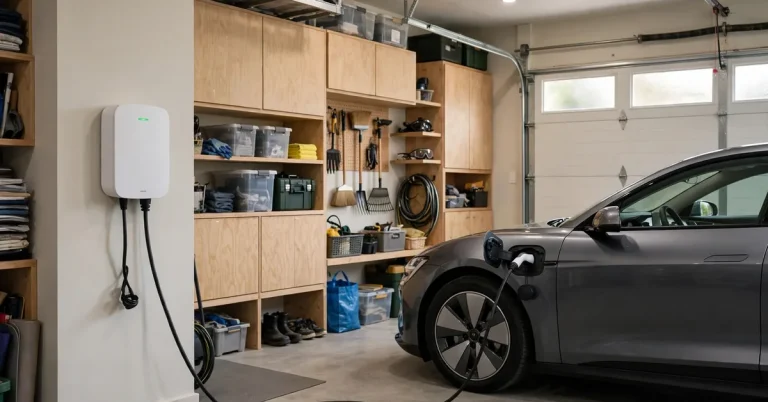
EV charging safety starts with the right setup. Learn garage tips, overnight risks, and how to protect your home.

EV battery electrocution safety explained: real voltage risks, safeguards, and when it’s safe to touch a battery pack.
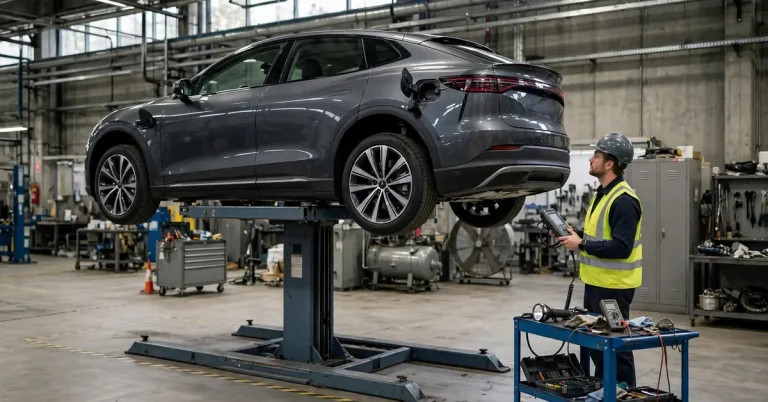
EV battery safety standards like UN 38.3, UL 9540A, and NHTSA rules explained in plain language for everyday EV owners.
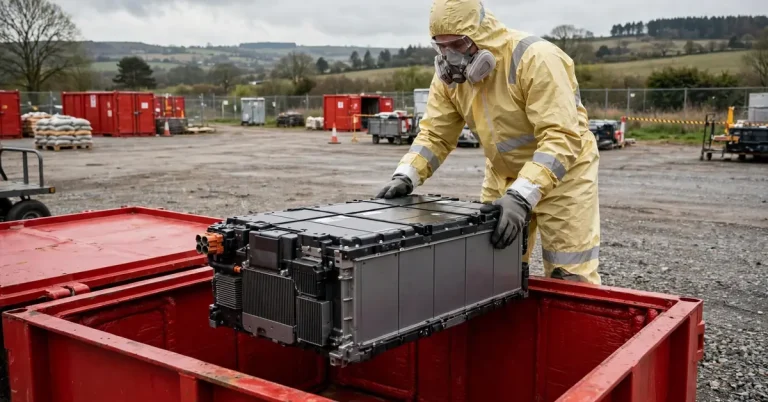
EV battery disposal safety explained: how to handle damaged batteries, required PPE, and cold weather fire risks.
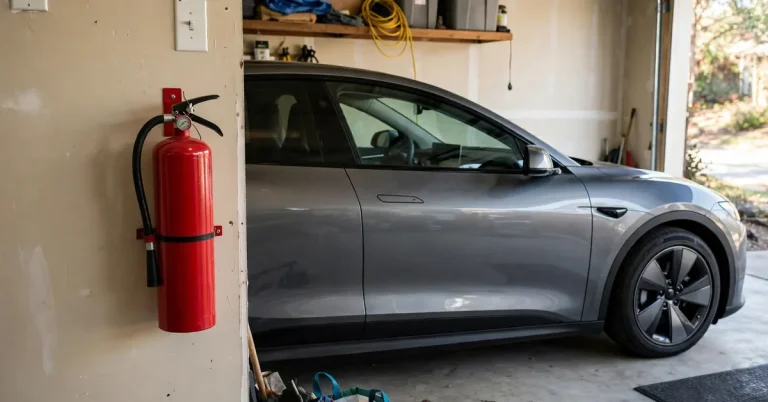
An EV battery fire extinguisher needs special agents and lots of water. See what works, what doesn’t, and why.

EV battery flood safety explained: what happens when a battery is submerged, and what to do after a flood.
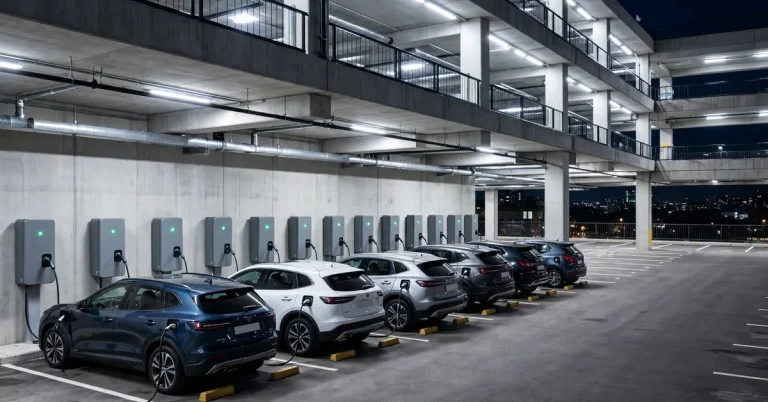
Public EV charging safety covers stations, parking garages, and rentals. Learn the real risks and how to stay safe.
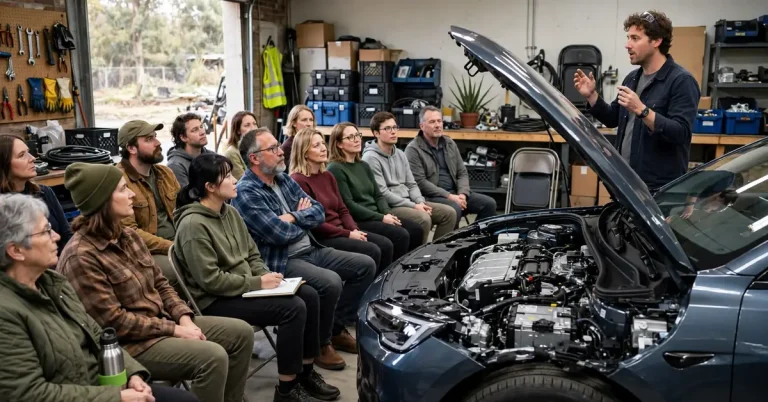
EV battery safety myths checked against real data on fires, testing, and crash protection.

Every EV sold in the United States must pass the same federal safety standards as conventional gas vehicles. The…
End of content
End of content