
EV Battery Flood Safety: What Happens When It’s Submerged

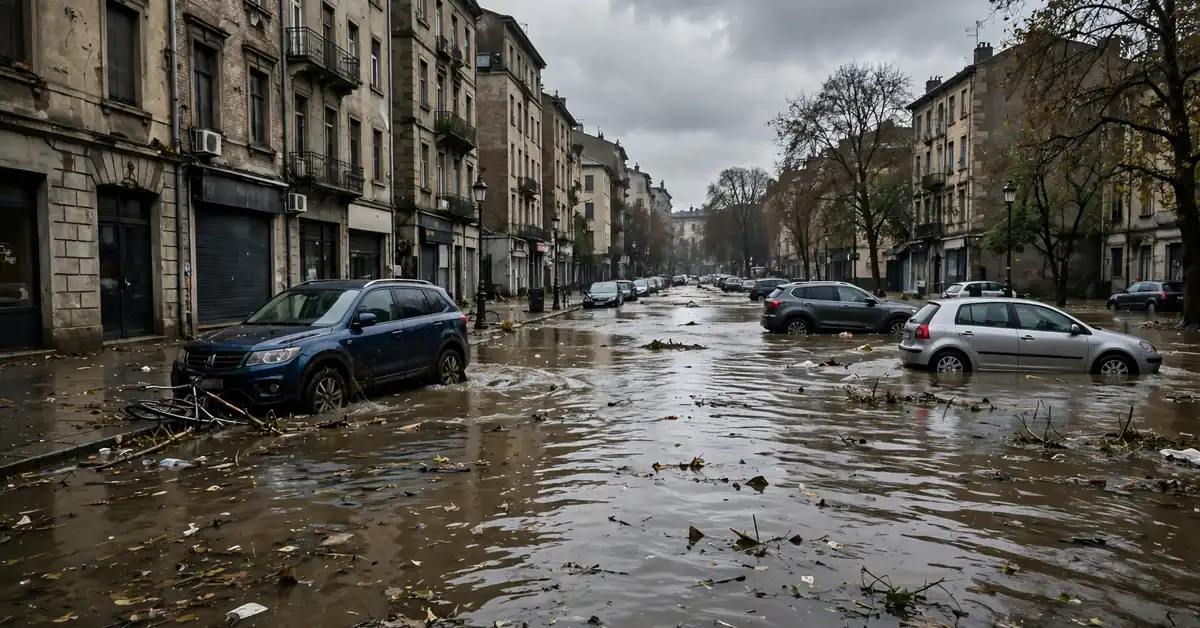
EV battery flood safety matters most in the hours and days after water exposure, not just the moment it happens. Submersion, especially in saltwater, can trigger hidden battery damage that surfaces later as a fire risk. This guide covers what happens when an EV battery gets wet, and the exact steps to take afterward.
Is It Safe to Drive an EV Through Deep Water?
No, driving through deep water is not recommended, even though EV battery packs are sealed and water-resistant. Splashes and shallow puddles are generally fine. Standing or moving water deep enough to reach the battery enclosure is a different story.
Deep water can force moisture past seals over time, especially under pressure. This risk grows the longer a vehicle sits in water, or if the water is salty.
What Happens to an EV Battery When Submerged in Water?
Submersion, especially in saltwater, can lead to internal corrosion inside the battery pack. Water acts as a conductor, creating unintended electrical pathways between components that should stay separated.
This can cause:
- Electrical arcing between damaged components
- Corrosion on battery terminals and connectors
- Short circuits that develop hours or days after the flood
- Loss of communication between the battery and the vehicle’s control systems
Notably, even a battery at 0% charge still holds some voltage. That means residual electrical activity can continue even in a “dead” battery.
Can a Flooded EV Battery Catch Fire Days Later?
Yes, this is one of the most important safety facts about flooded EVs. Corrosion inside the pack can form solid material bridges between the positive and negative sides. These bridges can trigger a delayed thermal runaway well after the vehicle looks dry.
During Hurricane Ian in 2022, dozens of flooded EVs in Florida caught fire, some even while being towed on flatbed trailers. Fires occurred hours to days after the flooding, not immediately.
What to Do With an EV After Flood Damage
Fast, careful action reduces both fire risk and further vehicle damage. Follow these steps if your EV has been submerged.
- Do not attempt to start, drive, or charge the vehicle.
- Move it at least 50 feet from buildings and other vehicles, if it’s safe to do so.
- Watch for hissing, popping, smoke, or unusual odors near the battery.
- Contact your manufacturer or dealership for flood-specific guidance.
- Have a qualified high-voltage technician inspect the vehicle before any further use.
- Report the flood exposure to your insurer right away.
Never try to dry out or restart a flooded EV yourself. Hidden internal damage isn’t visible from the outside.
Is It Safe to Charge an EV in the Rain?
Yes, charging in the rain is safe for standard use. EV charging ports and connectors are sealed and designed to handle wet weather. Rain alone doesn’t create a meaningful safety risk during normal charging.
The concern shifts if the charging equipment itself is damaged, or if standing water reaches the connector or outlet. Inspect your charging cable regularly and avoid charging if you notice cracks, exposed wiring, or pooling water near the setup.
The Bottom Line on EV Battery Flood Safety
EV battery flood safety depends on quick recognition and the right response. Deep water and saltwater exposure can cause damage that doesn’t show up right away. When in doubt after a flood, keep your distance and call in a qualified technician before doing anything else. For what happens when an EV battery is damaged in a collision instead, see our guide on what happens to an EV battery in a crash.
Frequently Asked Questions
Can an EV electrocute someone in floodwater?
Standard EVs are designed so they don’t electrify surrounding water. There’s no recorded case of a responder being electrocuted this way. Risk only rises if someone touches both battery terminals directly, which is very unlikely in normal flood conditions.
Does insurance cover EV flood damage?
Most comprehensive auto insurance policies cover flood damage to EVs, including the battery pack. Repair costs can be high due to battery replacement, so many flooded EVs are declared a total loss instead of repaired.
How long should a flooded EV sit before it’s checked?
There’s no fixed waiting period, but it should not be started, charged, or driven at all before inspection. Have it professionally checked as soon as possible, since delayed thermal runaway can happen days after flooding.
Is a used EV that was in a flood safe to buy?
It depends entirely on documentation and inspection history. Always ask for a vehicle history report and a high-voltage inspection record. Avoid any flood-titled EV without clear proof the battery pack was professionally assessed or replaced.
