
Fisker Ocean Battery: 71 & 106.5 kWh Packs, Warranty Reality & Life After Fisker

Researched from CATL’s supply announcement, Fisker’s SEC filings and results, the NHTSA recall database, the Fisker Owners Association, Edmunds and Cars.com — November 2026.
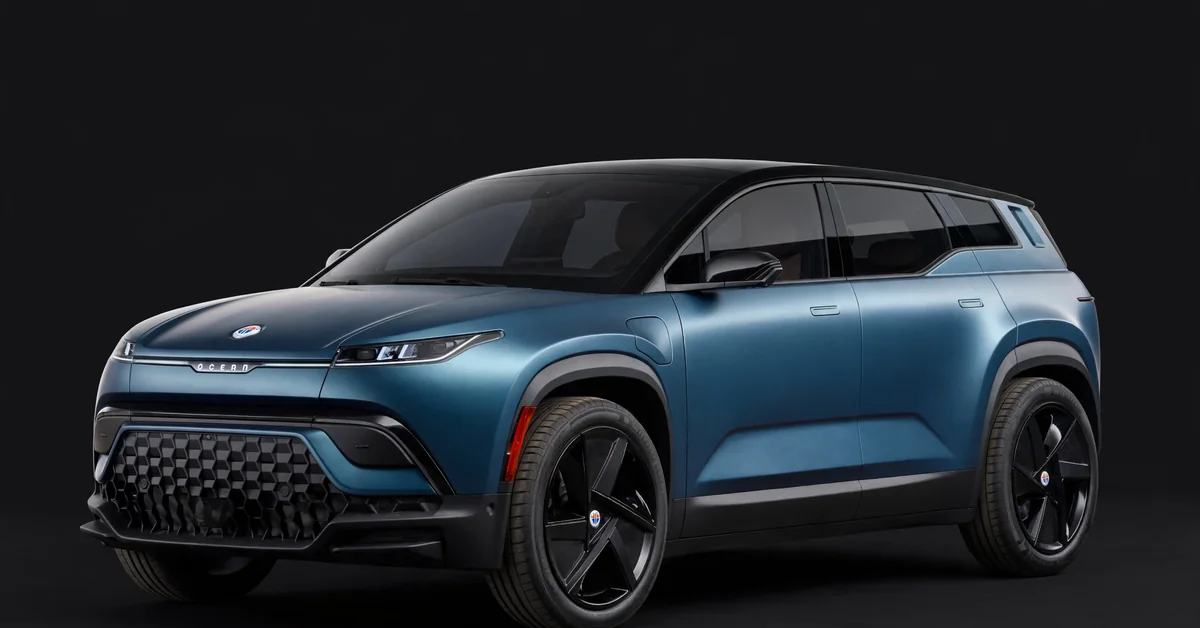
The Ocean came with two CATL-built packs: a 71 kWh usable LFP battery in the Sport (231 miles EPA) and a 106.5 kWh usable NMC battery in the Ultra, Extreme and One (350–360 miles EPA). The batteries themselves were never the scandal — the company was. Fisker filed for Chapter 11 in June 2024 and liquidated that October, which left its 10-year/100,000-mile battery warranty (75% capacity floor) with no company behind it. The cars survive because their owners organised: the Fisker Owners Association now runs parts supply, 46 workshops and even replacement software. Used Oceans trade around $18,000–$23,000 — against launch prices up to $61,499.
- Packs: 71 kWh LFP (Sport) · 106.5 kWh NMC (Ultra/Extreme/One), both CATL
- Biggest ownership risk is not the traction battery — it is the 12-volt battery and parts
The two batteries: CATL at both ends of the range
Fisker bought both of its packs from CATL — the entry car got CATL’s LFP cells, the flagships its NMC cells, under a deal CATL announced in November 2021.
Which pack does each trim get?
| Trim | Battery (usable / nominal) | Chemistry | Drive | EPA range |
|---|---|---|---|---|
| Sport | 71.0 / 73.0 kWh | LFP | FWD | 231 miles |
| Ultra | 106.5 / 113.0 kWh | NMC | AWD | 350 miles |
| Extreme / One | 106.5 / 113.0 kWh | NMC | AWD | 360 miles |
What do the charging figures really mean?
The big pack was genuinely competitive — 360 miles of EPA range beat most 2023 rivals — and the LFP Sport was one of the first LFP cars sold in the US. One honesty note on charging: Fisker claimed “more than 250 kW” peak DC charging for the big pack, Edmunds describes the maximum as “a touted 180 kW”, and EV Database — which estimates a 250 kW peak and roughly 35 minutes for 10–80% — itself warns that Fisker never released full charging details, so its figures are estimates. Treat every Ocean charging number you read, including those, as approximate. The advertised PowerBank vehicle-to-load feature was listed among features to be “activated via future over-the-air update”; the update never came, and no Ocean has factory V2L.
What happened to Fisker
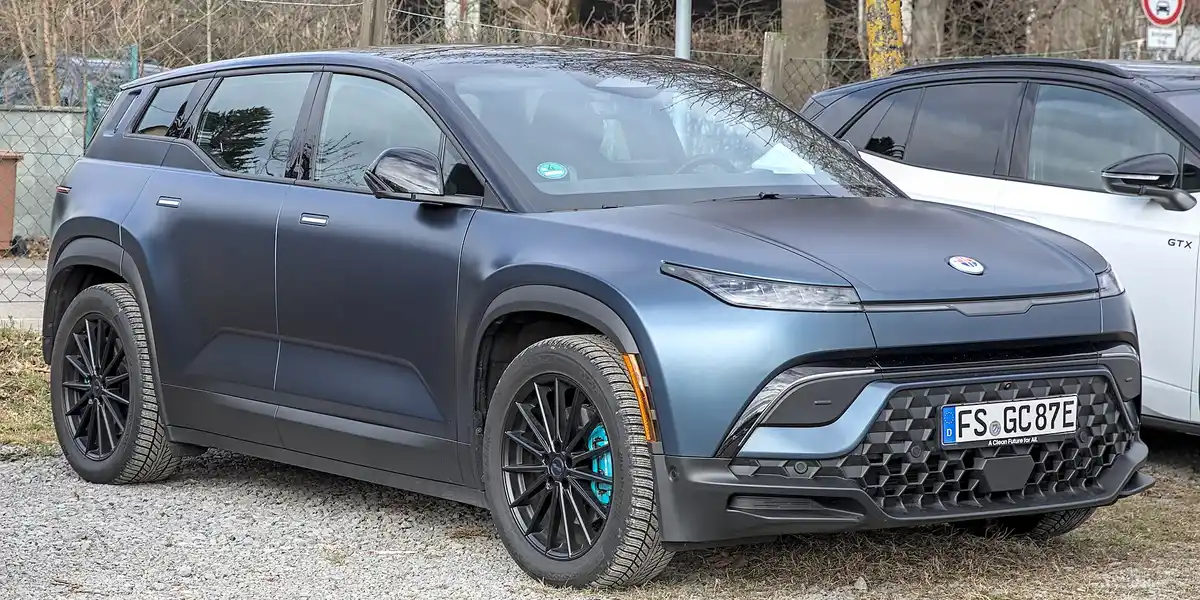
Seventeen months after the first deliveries, Fisker Inc. filed for Chapter 11 — June 17–19, 2024, in Delaware.
How did Fisker end up liquidated?
Fisker built 10,193 Oceans in 2023 and delivered 4,929 that year, with 1,471 more delivered by mid-April 2024, against a full-year net loss of $762 million. In July 2024 the court approved selling up to 3,231 unsold Oceans to American Lease LLC for at most $46.25 million — about $14,000 a car; those cars now work as rentals for Uber and Lyft drivers out of New York. Owners tried to force a Chapter 7 liquidation and lost; instead the case ended as a Chapter 11 liquidation, its plan confirmed on October 16, 2024. The practical meaning for owners is simple: there is no Fisker anymore. Everything below follows from that.
The warranty question, answered plainly
Your Ocean’s battery warranty was one of the best ever offered on an EV — 10 years/100,000 miles with a 75% capacity floor, plus a 6-year/60,000-mile comprehensive warranty. It is now a promise with no promiser.
What happened to the warranty?
That is the honest answer to the question this page gets asked most. A warranty is only as good as the company standing behind it, and Fisker’s liquidation left no company. (Our general guide to how EV battery warranties work explains what these terms normally guarantee.) Two things did survive the bankruptcy, though. First, the recalls: the Fisker Owners Association is represented in the Chapter 11 process, which it credits with keeping the recalls inside the process instead of letting them vanish. Second, a parts commitment: Fisker said it would provide recall parts and diagnostic tools at no cost — but owners pay the labour to fit them.
The six recalls
Six NHTSA recalls cover the 2023 Ocean (with 2024 cars in two of them).
Four were software and went out over the air during 2024: warning-light fonts/colours not meeting federal standards (24V405), a control-unit fault that could cut drive power (24V404), a brake-module bug that could reduce regenerative braking without warning (24V623), and a transmission fault that could let the car roll away (24V650). Two need hardware: exterior door handles that can stick shut (24V466) and a cabin water pump whose failure can push the battery system into limp mode (24V499). If you buy an Ocean, run its VIN through NHTSA and ask the seller for evidence the hardware recalls were done — with parts free and labour on owners, completion varied.
Who keeps these cars alive: the owners do
The Fisker Owners Association — founded the month of the bankruptcy — is, functionally, the car company now.
How does the owners’ network work?
The Verge calls the FOA’s fleet “the first entirely owner-controlled EV fleet in history”. Its numbers: more than 2,900 Oceans registered, owners in 31 countries, and 46 workshops listed — the association negotiated back access to Fisker’s FAST diagnostic tool for independent shops after it went dark. It spawned a parts company for North America (Tsunami Automotive) and one for Europe (Tidal Wave). When Fisker’s cloud servers died in April 2025 and the app went with them, the replacements came from the community too: the OceanLink Pro app (from UnderCurrent, an FOA-spawned software company), the free Freesker app, and Ocean Loop’s paid connectivity. Even key fobs — about $1,000 each from a dying company — were solved with an owners’ group buy.
Software: frozen at 2.2, thawed by volunteers
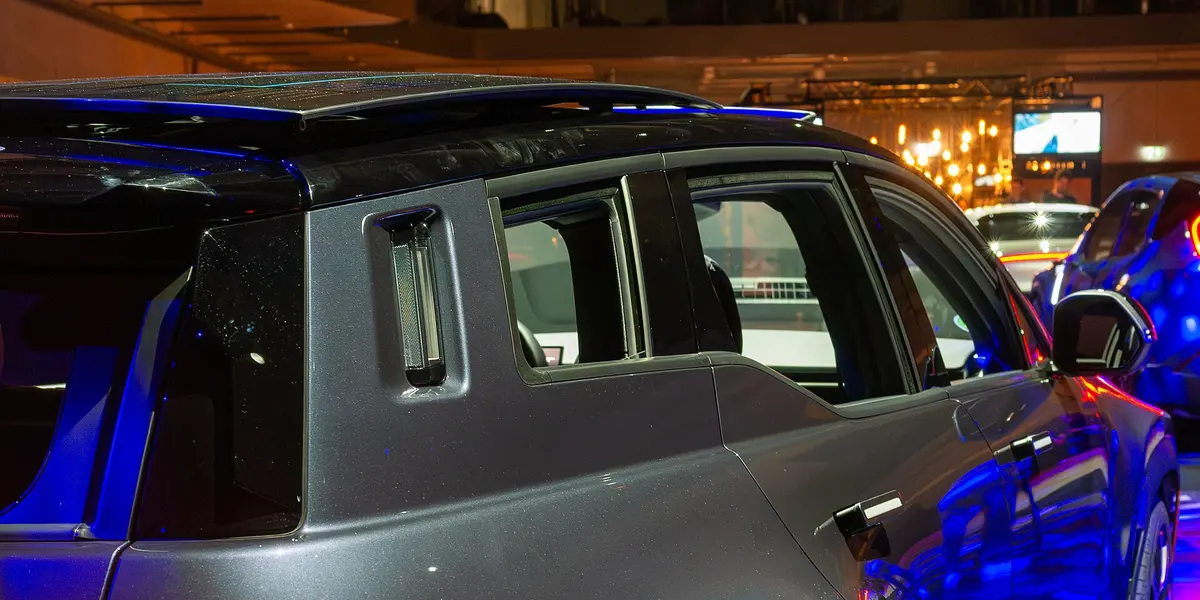
The last official software is FiskerOS 2.2. Since June 2026, owners can go further — in person.
The community’s “Marlin 1.0” state (FiskerOS 2.2 or newer, plus updated vehicle-control, power-distribution and driver-assistance software) is installed by trained volunteer installers with a tool at the car; there is deliberately no over-the-air route, because an install needs a guaranteed-steady 12-volt supply throughout. The software is free; the workshop time is not.
What is the Ocean’s real battery problem?
And that 12-volt supply is the Ocean’s real battery story. Owner forums and the community’s issue tracker document a vampire drain: systems that never properly sleep can flatten the 12-volt battery in a week or two parked, and a sagging 12-volt can even break the handshake at a DC fast charger. Our explainer on why EVs still carry a 12-volt battery covers the general pattern; on the Ocean it is the fault owners actually live with — far more than traction-pack degradation, for which, it should be said plainly, no systematic measured data exists for this car at all.
Buying one in 2026: the $20,000 question
In November 2026, Cars.com puts the average 2023 Ocean at $23,371 and Edmunds’ used average at $18,511 — with individual One and Ultra listings under $19,000 and trade-in offers reported as low as $3,000.
What should you check before buying?
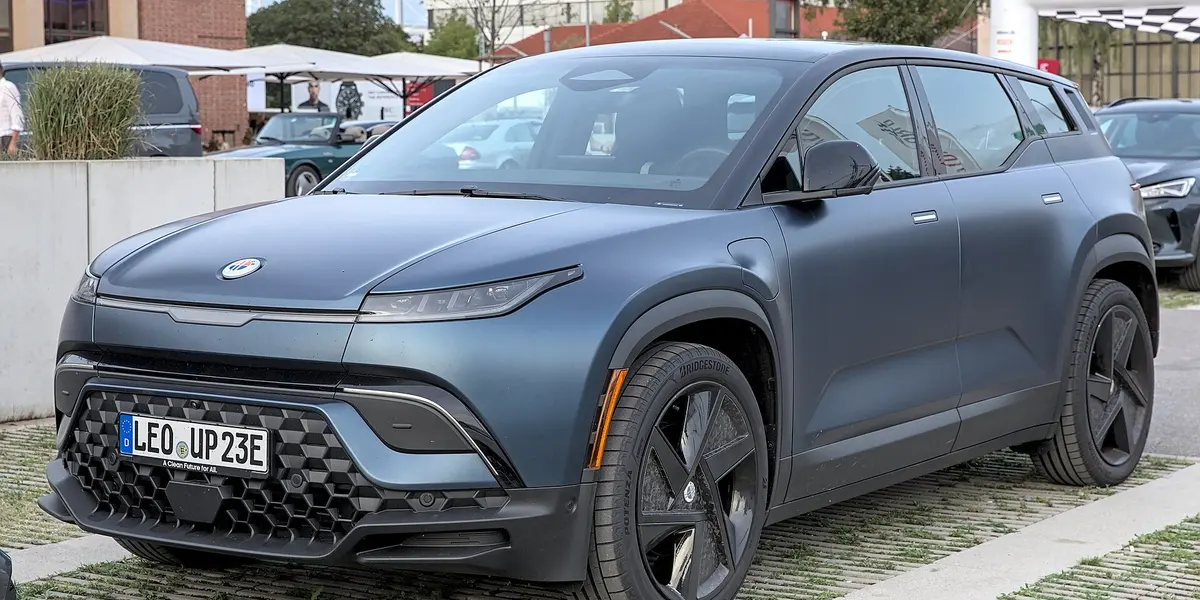
At those prices the Ocean is either the bargain of the decade or a trap, and the difference is homework, not luck:
- Software state first: ask which FiskerOS version the car runs and whether it is on the community’s Marlin state; a car stranded on early software carries the worst bugs.
- The 12-volt battery: ask its age and whether the car has ever died parked. Budget for a fresh one and a battery tender habit.
- Recall evidence: VIN check for all six recalls, with paperwork for the door handles and water pump.
- FOA membership: join before you buy, not after — the workshop map and parts channels are the ownership model now.
- Insurance and finance: get quotes before committing; orphaned brands make some underwriters and lenders cautious. (No Ocean-specific refusal pattern is documented — but check your own case.)
Frequently asked questions
Is the Fisker Ocean battery LFP or NMC?
Both. The Sport uses a 71 kWh usable LFP pack; the Ultra, Extreme and One use a 106.5 kWh usable NMC pack. Both were supplied by CATL under a deal announced in 2021.
Does the Fisker Ocean still have a battery warranty?
On paper it was excellent — 10 years/100,000 miles with a 75% capacity floor. In practice Fisker liquidated in October 2024, so there is no manufacturer to claim from. Safety recalls survived through the bankruptcy process (parts free, labour paid by owners), but the warranty itself has no company behind it.
Can a Fisker Ocean still be serviced?
Yes — through the Fisker Owners Association’s network of 46 listed workshops (independent EV shops and former dealers), with parts supplied by owner-founded companies and diagnostic-tool access the FOA negotiated back. There is no factory service network.
What software does the Ocean run now?
The final official release is FiskerOS 2.2. The owner community’s Marlin 1.0 package (newer control-unit and driver-assistance software) has been installed in person by volunteers since June 2026. Fisker’s own app and cloud services shut down in April 2025; OceanLink Pro and other community apps replaced them.
How long do Fisker Ocean batteries last?
Nobody knows systematically — no fleet degradation dataset (such as Recurrent’s) exists for the Ocean. The packs are CATL LFP and NMC units of the same families used by other makers, and owner reports centre on 12-volt failures rather than traction-pack capacity loss, but any specific lifespan figure for the Ocean would be a guess, and this page will not print one.
Conclusion
The Ocean is the EV industry’s strangest ownership proposition: a well-specified car with CATL batteries and 360 miles of range, orphaned at eighteen months old, and kept alive by the most organised owner community in the business.
Buy one for what it is in November 2026 — a $20,000 car with no warranty, community support, a known 12-volt weakness and parts that exist because owners willed them into existence — and it can make sense. Buy one believing the 10-year warranty on the original window sticker still means something, and it cannot.
Quick view: The Ocean is an orphaned but well-specified car kept alive by its owners: buy it for the value and the community support, never for the warranty on the window sticker.
