
Genesis Electrified G80 Battery: Complete Guide

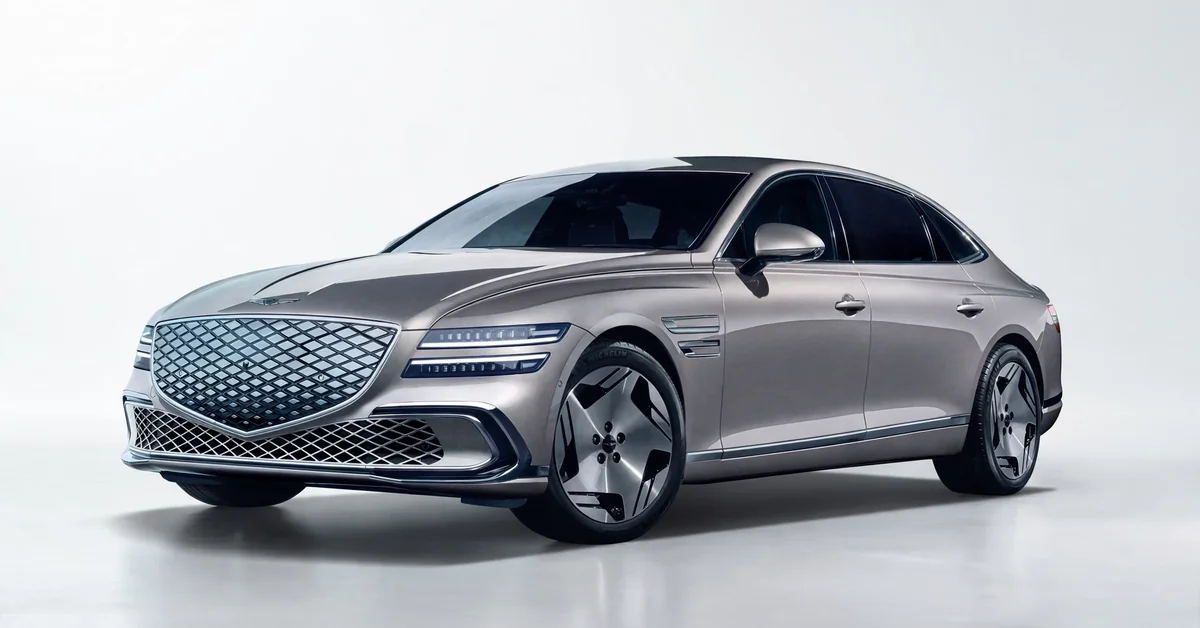
The Genesis Electrified G80 — Genesis’s electric luxury sedan — uses an 87.2 kWh NMC battery on the 800V E-GMP platform. It delivers 282 miles of EPA range and charges from 10–80% in just 22 minutes at a 350 kW DC fast charger. Note: Genesis currently makes the Electrified G80 sedan, not a GV80 Electrified SUV — for SUV body styles on the same battery technology, see our Genesis GV60 and Genesis Electrified GV70 battery guides. The GV80 Electric is in development for mass production starting in Q2 2026. This guide covers the existing Electrified G80’s confirmed battery specs, plus what’s confirmed about the upcoming GV80 Electric.
Genesis Electrified G80 Battery: Full Specs
| Spec | 2024–2025 Electrified G80 (US) | 2026 Electrified G80 (International) |
|---|---|---|
| Battery capacity | 87.2 kWh NMC | 95.4 kWh NMC |
| Architecture | 800V E-GMP | 800V E-GMP |
| EPA range | 282 miles | ~310+ miles (est.) |
| Motor | Dual AWD, 365 hp | Dual AWD, 365+ hp |
| 0–60 mph | 4.1 sec | ~4.1 sec |
| Peak DC rate | 350 kW | 350 kW |
| 10–80% DC time | ~22 min | ~22 min |
| Level 2 AC | 10.9 kW | 10.9 kW |
| Full Level 2 time | ~7 hours | ~8 hours |
| U.S. availability | 2024 models only (last MY) | Not coming to U.S. |
U.S. Market Situation: 2024 Was the Last U.S. Model Year
Genesis confirmed it will not bring the 2025 or 2026 Electrified G80 to the United States. Dealers still hold some 2024 model year inventory in 2026. The 2024 Electrified G80 starts at approximately $76,225 MSRP in the U.S. For American buyers, the 2024 model is the last chance to buy this vehicle new. Used examples are increasingly the primary path to ownership.
The international 2026 Electrified G80 received meaningful upgrades that U.S. buyers will miss. The battery grew from 87.2 kWh to 95.4 kWh, likely pushing range above 310 miles. Genesis also extended the wheelbase by 5.1 inches for more rear legroom. A 27-inch curved OLED display replaced the previous dual-screen setup. Rear-wheel steering (up to 3.5 degrees) was added for parking and handling improvements.
Battery and Platform Details
The Electrified G80 runs on the same 800V E-GMP platform as the GV60, Ioniq 6, and EV6. The 87.2 kWh NMC pack with active liquid cooling delivers consistent 350 kW peak charging. Battery preconditioning activates through the built-in navigation when routing to a DC fast charger. The 10.9 kW Level 2 AC charger is among the faster onboard AC chargers in this class.
The Electrified G80 is Genesis’s first production EV — not a purpose-built EV platform but a conversion of the G80 luxury sedan body. Despite this, the E-GMP platform’s 800V capabilities are retained in full. The result is a luxury sedan that charges as fast as the Porsche Taycan (using the same 800V infrastructure). Genesis’s 10-year / 100,000-mile battery warranty applies to the Electrified G80 in the U.S.
Real-World Range Performance
- 282 miles EPA range: Most owners in mild weather report real-world range close to the EPA figure at moderate speeds
- Highway at 70–75 mph: Approximately 230–255 miles — the G80’s slippery body helps efficiency at speed
- Cold weather: Approximately 200–235 miles — the heat pump limits cold-weather range loss
- With 95.4 kWh (international 2026): Expected to add approximately 30–35 miles of real-world range over the 87.2 kWh U.S. model
Electrified G80 Charging: Matching the Porsche Taycan
| Method | Power | 87.2 kWh (U.S. 2024) |
|---|---|---|
| Level 2 AC (10.9 kW) | 10.9 kW | ~7 hours full |
| DC Fast (350 kW, 800V) | 350 kW peak | ~22 min (10–80%) |
| Tesla Supercharger V4 (800V) | ~250 kW | ~28 min (10–80%) |
The GV80 Electric: What’s Coming
The Genesis GV80 Electric (codename JX2) is being developed on Hyundai Motor Group’s next-generation eM platform. Mass production is targeted to begin in Q2 2026. Genesis has set a sales target of 30,000 units for the GV80 Electric globally. It will use the eM platform’s 800V architecture — likely inheriting fast-charging capabilities similar to or beyond the Electrified G80.
Specific battery size and EPA range for the GV80 Electric have not been officially confirmed as of mid-2026. Given the GV80’s larger body vs the G80 sedan, a pack of at least 95–100 kWh is expected to maintain competitive range. Battery specs will be covered in a dedicated guide when Genesis officially announces production specifications. This article covers only confirmed data — not speculation.
Electrified G80 vs Competitors: Luxury Electric Sedan Battery Comparison
| Model | Battery | EPA Range | Peak DC Rate | Battery Warranty |
|---|---|---|---|---|
| Genesis Electrified G80 | 87.2 kWh NMC (800V) | 282 miles | 350 kW | 10 yr / 100k mi |
| Porsche Taycan (2025) | 105 kWh NMC (800V) | ~249 miles EPA | 320 kW | 8 yr / 100k mi |
| BMW i5 eDrive40 | ~84 kWh NMC | ~295 miles EPA | 205 kW | 8 yr / 100k mi |
| Mercedes EQE 350+ | 90.6 kWh NMC | ~350 miles EPA | 170 kW | 8 yr / 100k mi |
Full specs for the BMW rival listed above are in our BMW i5 battery guide.
Charging Tips for Genesis Electrified G80 Owners
- Set daily charge to 80%: NMC benefits from avoiding constant 100% — 80% of 87.2 kWh still provides 70 kWh for approximately 225+ miles daily
- Use navigation for DC charger routing: Preconditioning activates through the built-in navigation — always route to fast chargers via the G80’s nav system
- Native NACS for 2026 Genesis EVs: If you have a 2026 model year Genesis EV, NACS is standard — direct Supercharger access without adapters
- 2024 U.S. models: verify recall status: Check NHTSA for any open recalls before purchasing a used 2024 Electrified G80
Conclusion
The Genesis Electrified G80 battery delivers 87.2 kWh NMC with 800V E-GMP architecture — enabling 282 miles EPA range and a class-matching 22-minute 10–80% charge at 350 kW. Genesis’s 10-year battery warranty is among the longest in luxury segments. The 2026 international upgrade to 95.4 kWh will not reach the U.S. market. For American buyers, the 2024 model with remaining dealer inventory is the current opportunity — while the GV80 Electric development progresses toward a confirmed Q2 2026 mass-production start.
