
What Causes BMS Failure in Electric Vehicles?

When an EV throws a battery fault, the BMS is usually the messenger, not the culprit. So what actually makes one fail? Short answer first, then the causes that hold up.
Most BMS failures trace back to one failing input, not a dead control unit: a sensor drifting out of calibration, a damaged or corroded wiring connection, or a software fault. Battery Design, an engineering reference, calls broken connections, chafed insulation and corroded contacts “a significant source of field BMS failures and warranty costs.” And in many cars flagged with a “BMS fault,” the BMS is healthy — it is doing its job and reporting a weak cell, an imbalance, or a dying 12V battery.
- Sensor drift: charge estimates accurate to about ±10% when new can degrade to 20% or worse (Battery University)
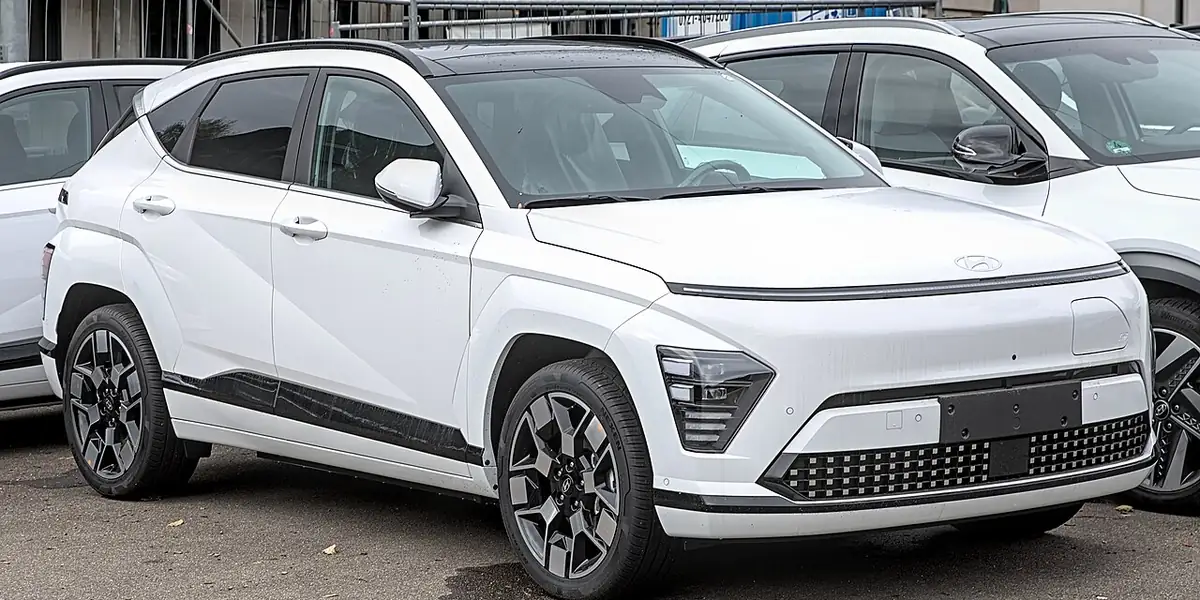
- Software: BMS software faults have triggered real recalls — 6,707 Hyundai Konas, 6,422 Jaguar I-PACEs (NHTSA)
- First check on any “BMS fault”: the 12V battery — the BMS runs on the low-voltage system
What does the BMS do all day?
It watches every cell’s voltage and temperature plus the pack’s current, and it can disconnect the battery the moment a safe limit is crossed.
Battery University describes the BMS’s primary purpose as ensuring the battery’s safety, maximising its longevity and protecting the system from damage. It prevents overcharging and over-discharging, estimates the state of charge from the values it reads, and prompts a caution or service action when it sees high temperature exposure, a cell imbalance or falling capacity. The same system is also what deliberately slows your charging near full — see why the BMS slows charging at high state of charge.
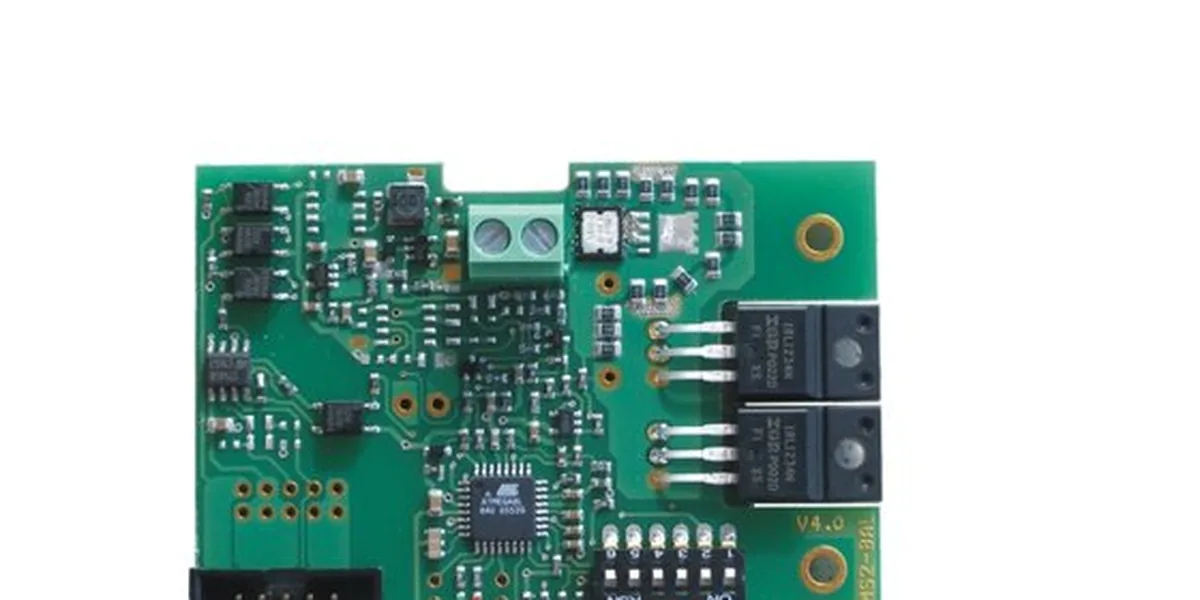
That job description explains the failure pattern. The BMS is only as good as the information reaching it: corrupt the inputs — a drifting sensor, a broken wire, a bad connection — and a healthy control unit will make wrong decisions, or shut a healthy pack down to protect it.
What are the warning signs of BMS trouble?
Expect a caution or service warning first; if limits are crossed, the car reduces power or cuts the pack off entirely.
Battery University notes that the BMS prompts caution or service action on high temperature, cell imbalance or falling capacity, and disconnects the battery if safe operating limits are exceeded. Battery Design describes the same ladder from the engineering side: exceed a predetermined limit and the BMS will derate the charging and discharging power, or cut it off entirely. In the worst case a tractive-power fault leaves the car in a limp-home mode at roughly 40 mph.
One more set of symptoms points somewhere else entirely. Strange electrical behaviour — flashing dashboard lights, infotainment glitches — is how Recurrent describes a fading 12V battery in an EV, and because the BMS electronics run on that low-voltage system, a dying 12V can look exactly like a battery-management fault. That impostor gets its own section below.
What actually causes BMS failure?
One identifiable cause at a time — a sensor, a connection, a program — rather than the whole system wearing out.
Sensor drift and sensor failure
The BMS reads voltage, current and temperature to judge the pack; when those readings drift, every judgement built on them drifts too.
Battery University puts numbers on it: a state-of-charge estimate is typically accurate to within about ±10% on a new battery, and as the battery ages, sensor drift can pull that accuracy down to 20% or worse. A Battery Design failure-mode analysis works through the current sensor specifically: heat-driven drift of the sensor’s zero point, worst at temperature extremes, plus a separate long-term aging drift. A positive offset of just 100 milliamps quietly accumulates 2.4 amp-hours of error per day, and the resulting charge error typically builds to 1–3%. The nasty part is that drift may produce no fault code at all — without a cross-check, the BMS cannot distinguish a real battery state from corrupted data.
Wiring harness and connector damage
The sense wires and connectors live in a hostile place, and Battery Design names them a significant source of field failures and warranty costs.
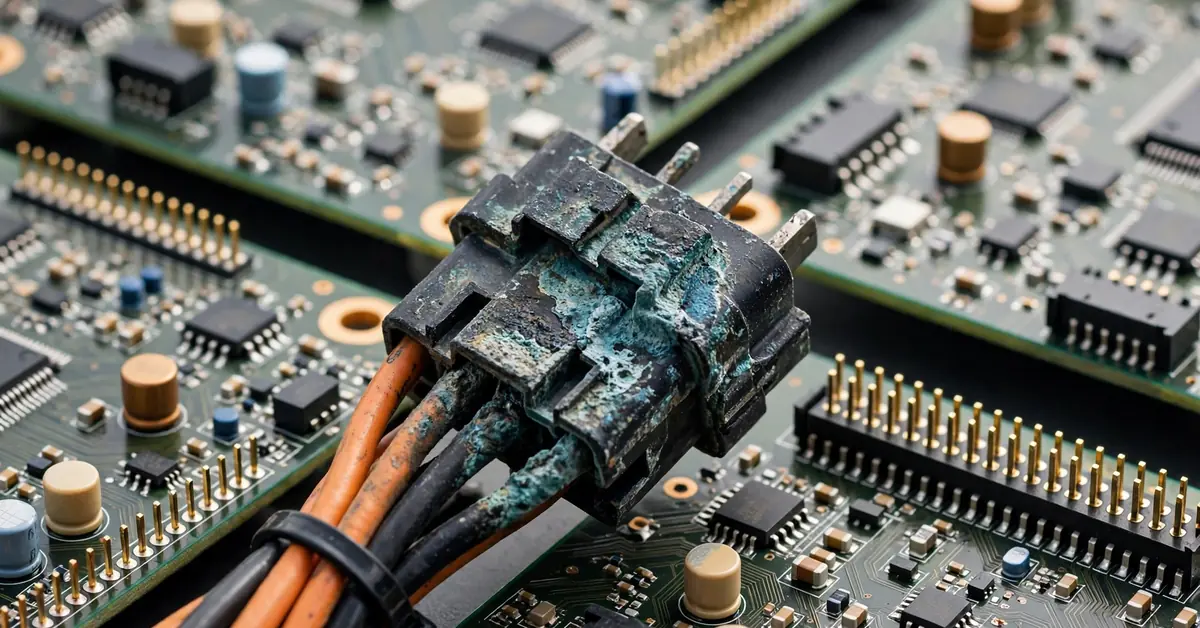
The BMS reaches its cells through a wiring harness: thin sensing leads, connectors and contacts spread across the pack. Broken connections, chafed insulation and corroded contacts interrupt or corrupt the signals the controller depends on. A corroded contact does not have to fail outright — added resistance can bend a voltage reading enough to trigger faults or mask a real problem, which is why harness faults are so often intermittent and so hard to pin down.
Software and firmware faults
Sometimes the hardware is fine and the program is wrong — wrong enough to trigger safety recalls.
The clearest proof is in the recall record, detailed in the next section: Hyundai recalled Kona Electrics specifically to update the battery management system software, Jaguar updated the I-PACE’s battery energy control module software over the air, and in a smaller follow-up campaign GM found that diagnostic software on some Bolts had been installed incorrectly and could fail to detect defective battery modules. A BMS is software running on hardware, and either half can be the fault.
Heat and corrosion
Temperature extremes accelerate sensor drift, and corrosion attacks the contacts the signals travel through.
These two work quietly rather than suddenly. The failure-mode analysis above ties current-sensor drift directly to temperature extremes, and Battery Design’s harness warning is largely a corrosion story — contacts degrade, resistance rises, readings wander. Neither produces a dramatic single failure; both produce a BMS that slowly stops telling the truth.
A weak 12V battery imitating a BMS fault
Before suspecting the BMS, check the small battery: the BMS and the car’s computers run on the low-voltage system.
Recurrent explains that the 12V battery powers the onboard computer and diagnostic systems and electronics such as the BMS, and is essential for starting and monitoring the main pack. When it fades, the problem presents as a software issue — flashing dashboard lights and infotainment misbehaviour are the commonly reported signs — and many owners end up replacing the 12V within just two to three years. Tesla’s own manuals carry a low-voltage battery alert for the same reason. A weak 12V is the cheapest possible cause of an apparent BMS fault, and the first thing to rule out.
The cells themselves — the false alarm
Often the BMS has not failed at all: it is reporting a pack that genuinely has a problem.
Reporting cell imbalance and falling capacity is the BMS’s job, and disconnecting the pack when limits are exceeded is its last resort. A weak or damaged cell, a growing imbalance the balancing circuits cannot correct, or a cell drifting out of step will all surface as battery-system warnings that owners understandably read as “the BMS is broken.” In these cars the expensive part is the pack, not the messenger — which is why diagnosis order matters, and why our guide to what a BMS replacement actually costs starts with the same warning.
When BMS software made the recall list
BMS and battery-monitoring software faults are documented in NHTSA recalls — with the Hyundai Kona campaign naming the BMS software itself as the recalled component.
| Recall (NHTSA) | Cars | Units | What was wrong | Fix |
|---|---|---|---|---|
| 20V630 | Hyundai Kona Electric, 2019–2020 | 6,707 | BMS/BECM software — the component is named “Battery Management System: Software” in the campaign; battery could short-circuit | BMS software update + battery inspection, free |
| 23V369 | Jaguar I-PACE, 2019–2024 | 6,422 | High-voltage battery could overheat | Battery energy control module software update (dealer or over-the-air) + module replacement as needed, free |
| 24V481 + 24V812 | Chevrolet Bolt EV/EUV, 2020–2022 (previously repaired cars) | 72 + 107 | The advanced diagnostic software had been incorrectly installed and could fail to detect defective battery modules | Software reinstalled free; interim 90% charge limit on one campaign |
| 21V650 (context) | Chevrolet Bolt EV/EUV, 2020–2022 | 52,414 | Battery fire risk — not a BMS defect; monitoring software was the interim remedy | Interim diagnostic software limiting charge to 90% while the final remedy was developed |
Read the table carefully and it teaches the right lesson: the Kona and I-PACE campaigns were software remedies for battery risks, and the small Bolt campaigns were about the monitoring software itself failing to do its detection job. Software is part of the BMS, and it fails like software — in versions, installs and updates, not just in worn-out hardware.
How is a BMS fault diagnosed?
In order: fault codes first, the 12V battery second, sensor plausibility third, wiring fourth — and the control board last.
The order follows the causes. Codes and live data show what the BMS believes is wrong. The 12V battery is tested next because it is cheap, common, and powers the whole low-voltage system the BMS lives on. Sensor readings are then cross-checked against the pack’s actual behaviour — essential, because drift can corrupt data without setting a hard fault. Harness and connector inspection follows, hunting the broken, chafed or corroded connections Battery Design warns about. Only when all of that is clean does the board itself become the prime suspect. One related reader question is whether the system resets itself after work is done — see does a BMS reset after battery replacement.
Can you prevent BMS failure?
Partly: keep the software current, keep the 12V battery healthy, and accept that the rest is sealed inside the pack.
Software updates are the one proven prevention — the recalls above were fixed with updates, so an outstanding update is an outstanding fix, not an errand to postpone. The 12V battery is the second: it is a wear item with a short life in many EVs, and replacing it on time prevents a whole family of phantom faults. The sensors, harness and board inside the pack are not owner-serviceable, and no honest source publishes a failure-rate league table for them — anyone quoting you a precise “most common cause” percentage for BMS failures is inventing it. What the engineering sources do support is the ranking this article is built on: inputs and connections first, software next, the board itself last.
Frequently asked questions
What is the most common cause of BMS failure?
No manufacturer or engineering source publishes a failure-rate breakdown, so there is no honest percentage. The strongest sourced verdict is Battery Design’s: broken connections, chafed insulation and corroded contacts in the wiring harness are a significant source of field BMS failures and warranty costs. Sensor drift and software faults follow.
What are the symptoms of a failing BMS?
A caution or service warning is the usual first sign — the BMS flags high temperature, cell imbalance or falling capacity. If limits are crossed it reduces power or disconnects the pack, and a serious fault can leave the car in a limp-home mode at roughly 40 mph. Flashing dashboard lights and infotainment glitches more often point to the 12V battery.
Can a bad 12V battery cause BMS problems?
It can certainly imitate them. The BMS and the car’s computers run on the low-voltage system the 12V battery feeds, and Recurrent notes that 12V trouble in an EV presents as a software issue with strange electrical behaviour. Rule the 12V out before paying for BMS diagnosis.
Is a BMS failure dangerous?
The BMS is the pack’s safety system — it exists to prevent overcharge, over-discharge and overheating, and it disconnects the battery when safe limits are exceeded. A fault therefore deserves prompt attention rather than being cleared and ignored, even though the protective shutdowns themselves are the system working as designed.
How much does it cost to fix a failed BMS?
The control module itself is a few-hundred-dollar part in the manufacturer catalogues we checked; the fitted bill is dominated by access labour and programming. Our BMS replacement cost guide carries the full breakdown.
Conclusion
A BMS rarely dies of old age; it is failed by its inputs — a drifting sensor, a damaged connection, a flawed program — or blamed for a pack or a 12V battery that actually failed.
Work through the causes in the order they occur and most “BMS failures” resolve into something specific, findable and often cheaper than a new control unit. Start with the codes, check the little battery, question the sensors, inspect the wiring — and only then condemn the board.
