
Kia Niro EV Battery: Complete Guide

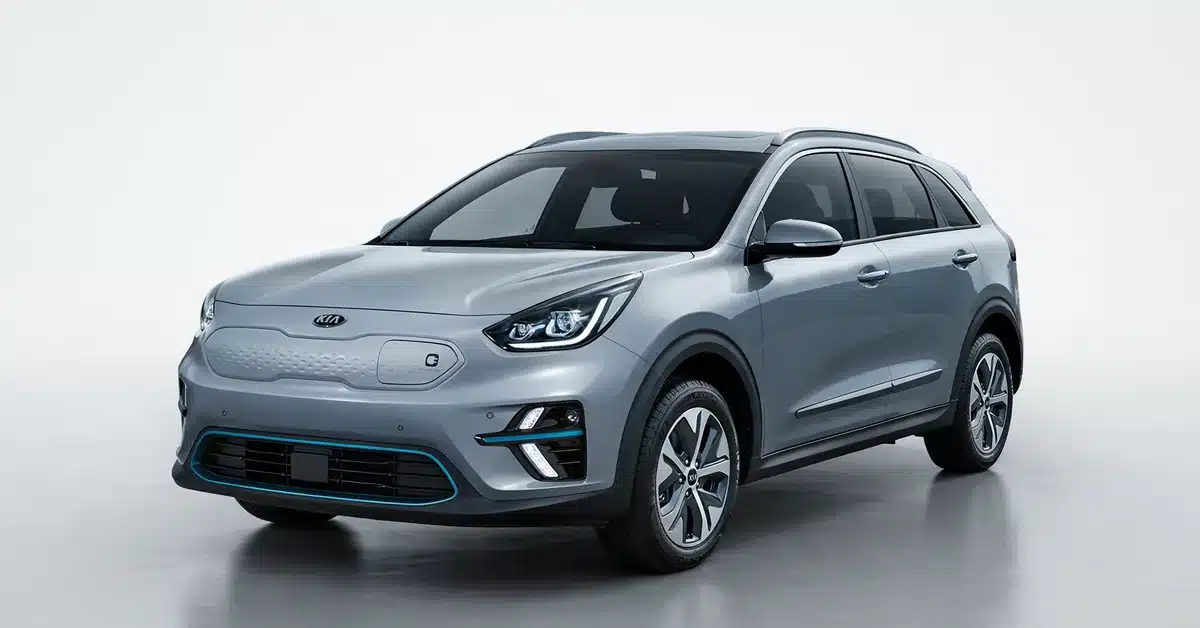
The Kia Niro EV is the electric car the market is quietly saying goodbye to. Kia ended production globally in 2026, which makes the 2023–2026 second-generation car — 64.8 kWh, 253 EPA miles, honest pricing — a remaining-stock and used proposition rather than a new-car one. The first-generation car (2019–2022) underneath it is now old enough that its owners are asking the questions this page exists to answer: how the battery ages, what the 12-volt troubles mean, and what a replacement would cost.
This guide covers both generations with US figures only: the CATL cells in the newer car and the SK Innovation cells in the older one, real charging speeds, the warranty that still has years to run on most of these cars, the one battery recall that matters, and the checks that separate a bargain used Niro EV from a problem. The Niro EV was never a fast-charging hero; its battery story is about durability, warranty cover and value.
Specs and prices from Kia America and fueleconomy.gov; the cell-supply change from Reuters reporting; recall details from NHTSA filings; range tests from Edmunds and Car and Driver.
The current Kia Niro EV (2023–2026) uses a 64.8 kWh NMC pack with CATL prismatic cells, rated at 253 EPA miles and covered for 10 years or 100,000 miles down to a 70% capacity floor. The earlier car (2019–2022) used a 64 kWh SK Innovation pack rated at 239 miles. Both cars also carry a conventional 12-volt battery — the source of most owner complaints — and neither generation has an ICCU recall.
Key figures: 64.8 kWh (2023–26) / 64 kWh (2019–22) · EPA 253 / 239 miles · DC peak 85 kW (gen 2) · 400V · 10 yr/100,000 mi warranty
Kia Niro EV Battery Specs: Both Generations
One battery size per generation, front-wheel drive only: 64 kWh and 239 miles for the 2019–2022 car, 64.8 kWh and 253 miles for the 2023–2026 car.
| 2019–2022 (Gen 1) | 2023–2026 (Gen 2) | |
|---|---|---|
| Battery | 64 kWh | 64.8 kWh (~68 nominal) |
| Cells | SK Innovation NCM | CATL NMC, prismatic |
| EPA range | 239 miles | 253 miles |
| Motor | 201 hp / 291 lb-ft | 201 hp / 188 lb-ft |
| DC fast charging | ~77 kW peak | 85 kW peak, 10–80% ~45 min |
| AC charging | 7.2 kW | 11 kW |
| Trims (US) | EX, EX Premium | Wind, Wave |
| Price from | — (used only) | $41,195 incl. destination (2026) |
Two clarifications belong under this table. The smaller 39.2 kWh battery sold in some other markets was never offered in the United States — every US Niro EV has the big pack. And if you came here asking how many batteries a Niro EV has, the answer is two: the high-voltage pack in this table, plus a conventional 12-volt battery for the car’s electrics, which gets its own section below because it generates more owner questions than the big one. Kia does not publish the big pack’s weight; our guide to how much an EV battery weighs explains what packs of this size typically run and why makers rarely print the figure.
Inside the Kia Niro EV Battery: Two Suppliers, Two Stories
The newer car’s cells come from CATL — a cost-driven switch from SK that Reuters documented in 2022 — while the original car ran SK Innovation cells.
What cells does each generation use?
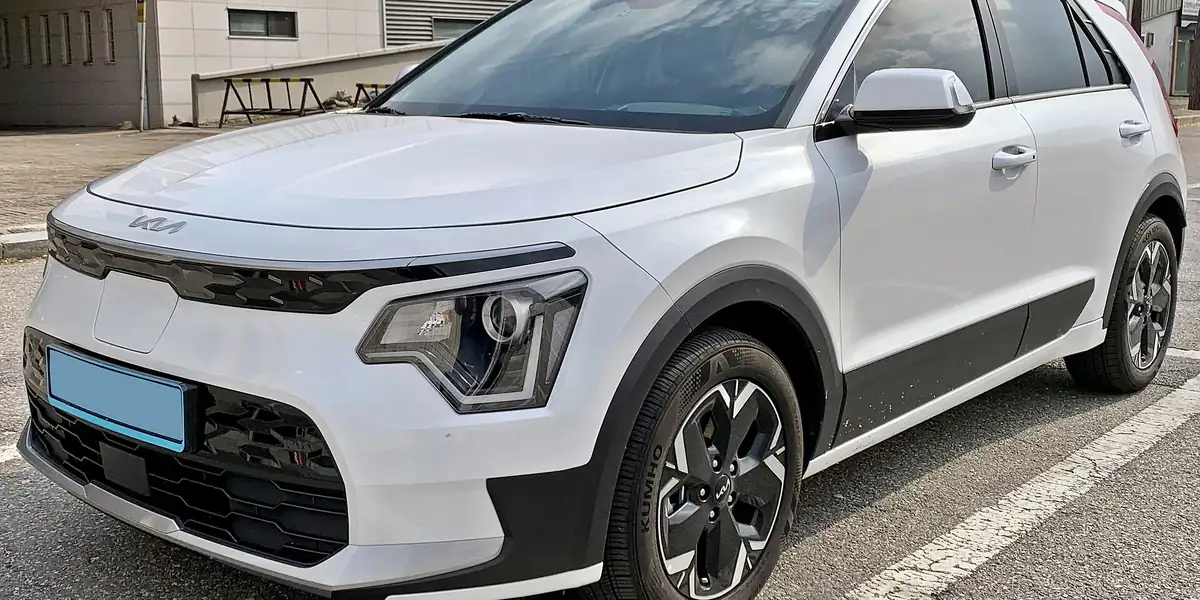
The second-generation pack uses CATL nickel manganese cobalt cells in prismatic format: 96 cells in series, a nominal voltage around 358 volts on a 400-volt-class architecture, and liquid cooling throughout. Kia’s own material describes the battery simply as lithium-ion, and the older ‘lithium-ion polymer’ label that follows this car around is marketing language rather than a cell format — the cells are prismatic cans, as in most modern Kia packs. The first-generation car’s 64 kWh pack came from SK Innovation (now SK On), the same supplier family as the EV6, also liquid-cooled — a genuine advantage over the air-cooled Nissan Leaf of the same years, whose packs aged faster in hot climates.
Is the Niro EV affected by the EV6 and Kona recalls?
Neither pack is related to the EV6’s ICCU troubles or the Kona Electric’s cell-fire recall, both of which belong to different cars with different hardware and different cell supply. The Niro EV’s battery record is comparatively quiet, which is part of why the used market treats these cars kindly. The one battery-specific recall that does apply — a safety-plug campaign on 2022 cars — is covered in the recalls section below.
Kia Niro EV Charging: Honest Speeds, One Caveat
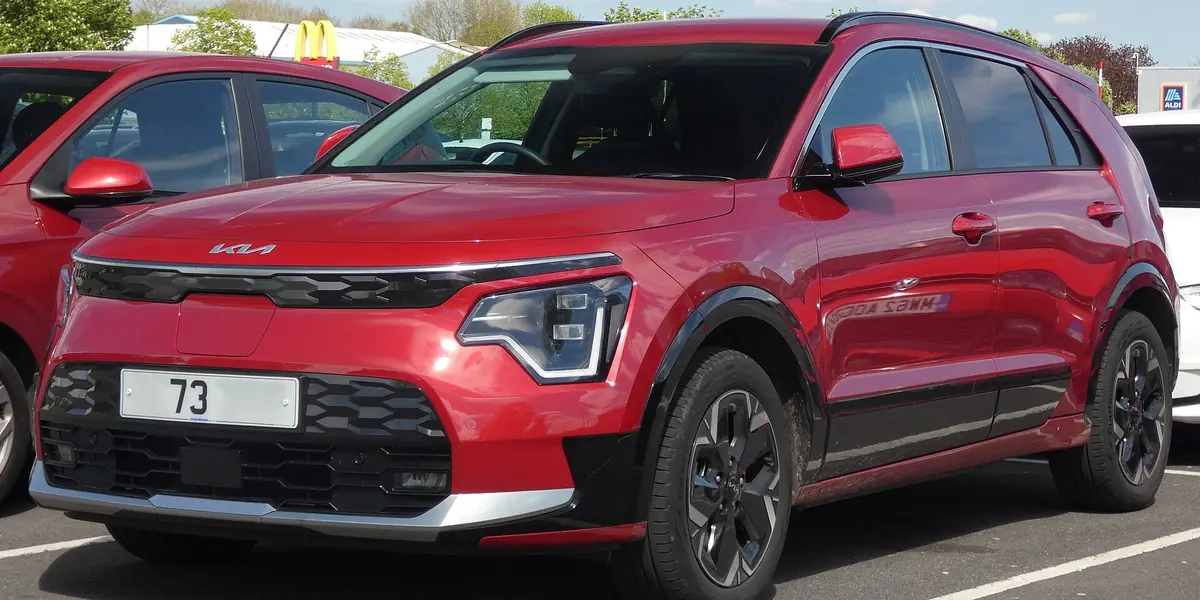
The Niro EV charges politely rather than quickly: 85 kW at its DC peak and about 45 minutes for 10 to 80% in the gen-2 car.
How fast does the Niro EV charge?
Those figures are Kia’s tested numbers on a high-power CCS1 charger, and they place the car a class below its own EV6 sibling — this is a 400-volt car built to a price, and charging speed is where the money was saved. At home the picture is better: the gen-2 car’s 11 kW onboard charger refills the pack in under seven hours on a 240-volt circuit (the gen-1 car’s 7.2 kW unit needs about nine and a half). Both generations use a CCS1 port; with Kia’s NACS adapter the cars can also use Tesla Superchargers, which widens the road-trip map even if the session speeds stay modest.
What is the preconditioning caveat?
Battery preconditioning needs one honest caveat. Gen-2 cars do have navigation-linked preconditioning that warms the pack on the way to a charger — but the battery warmer it depends on was an option rather than standard fit, so a car without it will charge more slowly on a cold day no matter what the navigation is doing.
The heat pump follows the same pattern: available on both trims through the Preserve Package, not standard. Check for both options on any used car’s window sticker if you live somewhere cold. One feature the gen-2 car does have standard-fit availability for is vehicle-to-load: Kia calls it the Onboard Power Generator, good for about 1.9 kW of US output through an adapter — enough for tools, lights and a fridge in an outage.
Real-World Range: 280 Miles Tested, 210 at 75 mph
Edmunds’ range test is the Niro EV’s favourite headline: a gen-2 car covered 280 miles, comfortably beyond its 253-mile EPA rating.
That test runs at moderate speeds in mild conditions, and it shows what the car does when treated gently — the Niro EV’s efficiency (25.6 kWh per 100 miles in the same test) is genuinely excellent for its class. The counterweight is Car and Driver’s 75-mph highway test, where the car managed 210 miles: still respectable, but the right number for planning a fast interstate run. Winter takes its own share, as it does from every EV; Canadian testing at deep-freeze temperatures found losses around 30%, which is the planning figure cold-climate owners should carry.
How Long Does the Kia Niro EV Battery Last?
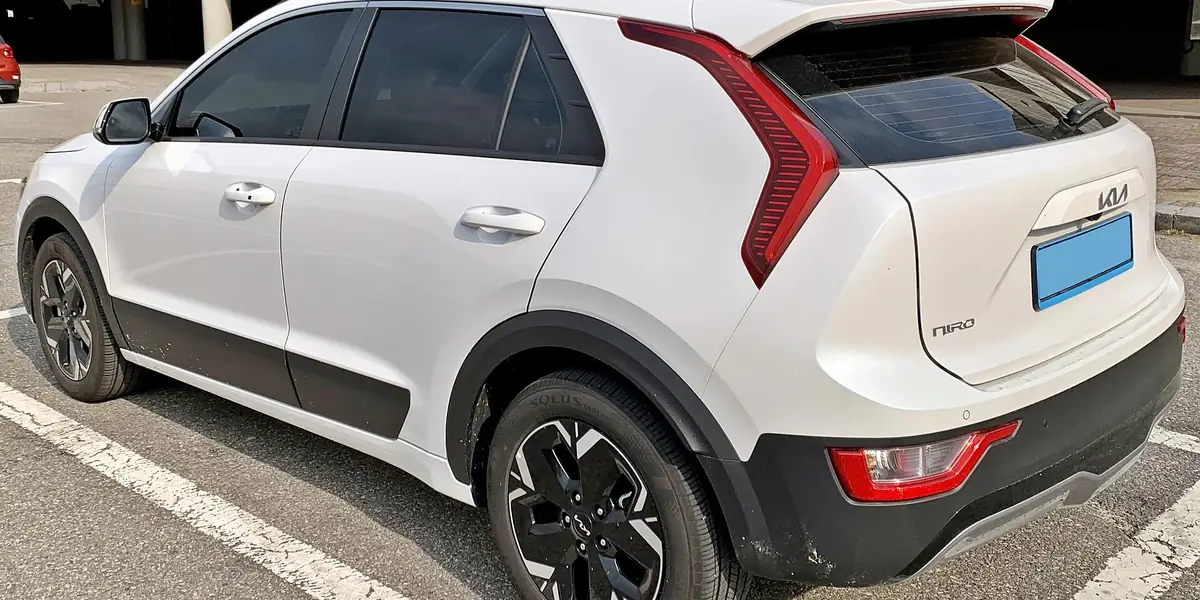
No Niro EV-specific degradation dataset has been published, and this page will not invent one — what exists is a long warranty, a quiet recall record, and owner reports of cars holding up well.
What does the honest evidence show?
The honest evidence runs like this. Kia guarantees at least 70% of original capacity for 10 years or 100,000 miles, a promise the company makes across its EV range and one the Niro EV is named in. Owner-forum battery tests on gen-2 cars report health readings at or near 100% in the first years, and the liquid cooling both generations share is the design feature most associated with slow ageing.
Against that, treat any precise yearly percentage you read for this car — including figures on other sites — as unsourced unless it names a dataset; none exists for the Niro EV the way it does for Tesla or the EV6. The general picture of how EV batteries age is covered in our guide to how long EV batteries last.
What should a shopper take from this?
The practical reading for a shopper is simpler than a percentage: a used Niro EV with a health reading in the mid-90s or better is performing as the fleet does, the warranty still covers the pack on most cars you will find, and the battery is not the part of this car most likely to ask for money. That distinction belongs to the 12-volt system, below.
Kia Niro EV Battery Warranty: 10 Years, 70% Floor
The Niro EV’s battery is covered for 10 years or 100,000 miles, with repair or replacement if capacity falls below 70% of the original figure.
The cover sits in Kia’s EV System Warranty, names the Niro EV explicitly, and — the part used buyers care about — it transfers to later owners at its full term. What shrinks for a second owner is Kia’s separate powertrain warranty, not the battery’s, so a 2021 car bought today still carries battery cover into 2031 by time, or to 100,000 miles, whichever comes first. On a discontinued car with gently falling prices, that running warranty is a large part of the value case, and it is worth confirming the car’s in-service date with a Kia dealer before you buy so the remaining term is a fact rather than an estimate.
Kia Niro EV Battery Replacement Cost
A replacement Niro EV pack is a five-figure part from Kia and a four-to-five-figure job from the remanufactured market — but the warranty makes it a rare bill.
What do the price anchors say?
The anchors, labelled for what they are: a Kia parts catalogue lists the high-voltage Battery Assembly for the 2022 car at $20,541.42 — a parts-only price before labour and core charges — while Greentec Auto, the largest US remanufacturer, lists a fitted 2019 Niro EV pack at $16,999. Used packs trade below both figures, with the usual cautions about unknown health. Hybrid Niro battery prices you may see quoted (a few thousand dollars) are for the hybrid’s much smaller 1.56 kWh battery, a different part entirely; do not let a hybrid quote set your expectation for the EV. Our EV battery replacement cost guide tracks the wider market, but for this car the catalogue and reman figures above are the honest range.
Why is a replacement bill rare?
Why the bill is rare: the pack is warranted for 10 years or 100,000 miles with a 70% floor, both generations are liquid-cooled, and there is no pattern of Niro EV packs failing young in the recall record. The realistic out-of-warranty scenario is a high-mileage gen-1 car in the 2030s, by which time the remanufactured market — already the cheaper route today — will be the default answer rather than a new Kia pack.
Kia Niro EV Recalls: One Battery Campaign, Two Clean Bills
The Niro EV’s only battery-specific recall is SC314 (NHTSA 24V-358): on certain 2022 cars the high-voltage battery’s safety plug can overheat and melt.
The campaign covers 2,209 first-generation cars, and the remedy is replacement of the safety plug at a Kia dealer, free. Beyond that one campaign, the record is notable for what is absent: the Niro EV has no ICCU recall (that fault belongs to the EV6 and Ioniq 5, different hardware) and no battery-cell fire recall (the famous Kia/Hyundai fire campaigns concern the Kona Electric and its LG cells, not this car’s SK or CATL supply). Other Niro EV campaigns exist for non-battery items — driveshafts, transmission bolts, floor wiring, a camera — and any car’s full status can be checked by VIN on the NHTSA recalls site.
The Kia Niro EV’s 12-Volt Battery: The Car’s Real Weak Point
Ask Niro EV owners about batteries and most will talk about the small one: the conventional 12-volt lead-acid battery is this car’s most common failure, on both generations.
Why does the 12-volt battery fail so often?
The setup is standard EV practice. The 12-volt battery runs the locks, screens and computers and wakes the main pack; the car keeps it charged from the big battery, and gen-2 cars add an Aux. Battery Saver+ function that tops it up automatically when the car is parked. The complaints are equally standard in shape: a car that sat for days, woke to a dashboard of warnings or would not wake at all, fixed by a jump or a new 12-volt battery. Owners of early cars report the pattern often enough that a Niro EV which has eaten two 12-volt batteries deserves a parasitic-drain check at a dealer rather than a third battery.
What does the internet get wrong about the 12V?
Two facts deserve plain statements because the internet gets both wrong. Kia does not publish the 12-volt battery’s group size or capacity for the Niro EV in its US material, so this page does not print one — aftermarket catalogues sell their own fitments, and a parts counter can match the car directly. And the ‘battery reset’ button some guides describe belongs to the hybrid Niro, whose 12-volt battery is an integrated lithium unit; the EV has no such button, because its 12-volt battery is a separate, conventional, replaceable part. Budget for it the way you would on a petrol car: a few hundred dollars fitted, every handful of years.
Why the Kia Niro EV Was Discontinued
Kia ended Niro EV production globally in 2026, announcing it alongside a hybrid-only facelift for the Niro range — the company is concentrating on its dedicated EVs.
The logic is visible inside Kia’s own showroom: the EV3 arrived with a bigger battery option, native NACS charging and a lower starting price, doing the Niro EV’s job with newer hardware, while the Niro nameplate continues as a hybrid and plug-in hybrid. The 2026 model year is therefore the last for the EV in the US (Wind from $41,195 including destination, Wave at $46,195), sold from remaining inventory. Discontinuation does not orphan the car: parts, service and the 10-year battery warranty continue as normal, and a discontinued model with a long warranty is exactly the profile that makes a used buy interesting rather than risky.
Buying a Used Kia Niro EV: The Battery Checks
Used Niro EVs are cheap for explainable reasons — a discontinued badge, modest charging speeds, a newer EV3 beside them — and the battery is rarely one of those reasons.
What checks should I run?
Run the VIN through the NHTSA lookup and confirm the SC314 safety-plug recall is completed on a 2022 car. Confirm the car’s in-service date so you know exactly how much of the 10-year, 100,000-mile battery warranty remains — it transfers in full. Ask for a battery health reading or have an inspection produce one; healthy cars read in the high 90s in their early years, and a car far below its peers is a negotiation, not necessarily a walk-away. On gen-2 cars, check the window sticker or build sheet for the Preserve Package if you need the heat pump and battery warmer, and ask when the 12-volt battery was last replaced — a fresh one is a small but real saving.
Is there a year to avoid?
On the ‘which year to avoid’ question: there is no Niro EV year with a battery pattern to flee. The 2019–2022 cars are the value end (same 64 kWh idea, slower AC charging, the 2022 recall to verify), and the 2023–2026 cars add the CATL pack, 11 kW AC charging, preconditioning and V2L. Buy the condition and the paperwork, not the model year.
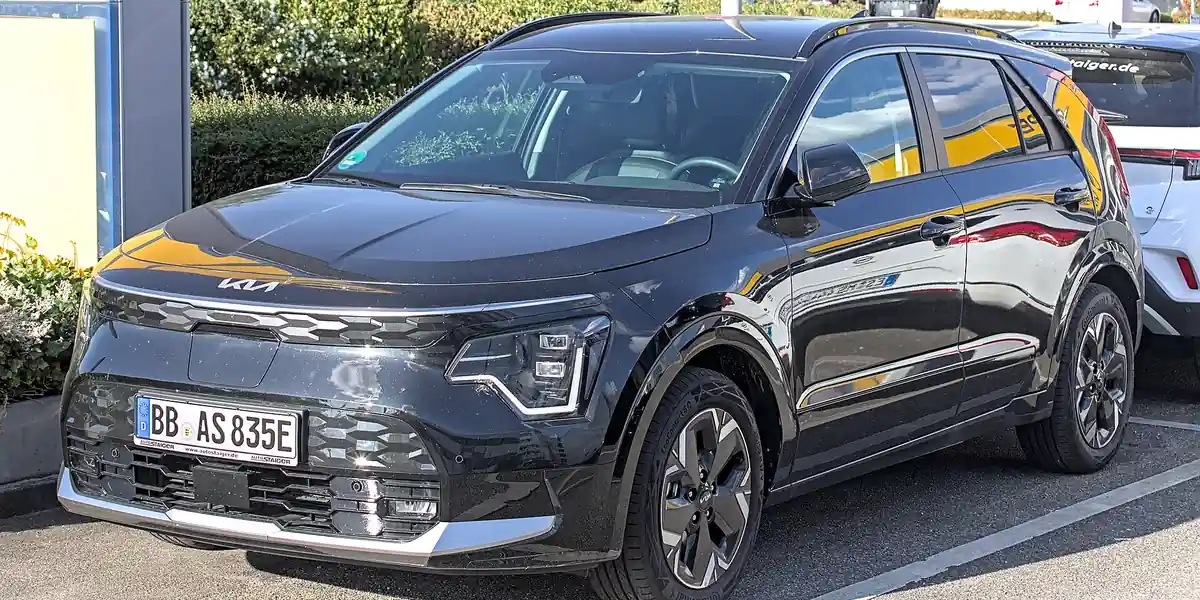
Looking After the Niro EV Battery
Kia’s manuals give the same pattern as the rest of the range: charge on AC where you can, treat 100% as a monthly event rather than a nightly one, and never leave the car sitting empty.
The gen-1 manual states the everyday ceiling plainly — charging to 80% for daily use helps battery life — and the gen-2 manual carries the supporting habits: prefer AC charging, charge to 100% at least once a month if the battery has been run below 20% so the pack stays balanced, and charge the car at least once every three months if it is stored. Add the 12-volt battery to your own routine: a car used rarely is the profile that flattens it, so a monthly drive or a maintainer is cheap insurance against the car’s commonest no-start.
Kia Niro EV Battery FAQs
What type of battery does the Kia Niro EV have — NMC or LFP?
NMC, in both generations — never LFP. The 2023–2026 car uses CATL nickel manganese cobalt cells in prismatic format (64.8 kWh); the 2019–2022 car used SK Innovation cells (64 kWh). Kia describes both simply as lithium-ion; the ‘polymer’ label attached to this car is marketing language, not a cell type.
How big is the Kia Niro EV battery, and how many batteries does it have?
The traction battery is 64.8 kWh in the current car (253 EPA miles) and 64 kWh in the 2019–2022 car (239 miles); the smaller 39.2 kWh version sold abroad was never offered in the US. The car has two batteries in total: that high-voltage pack, plus a conventional 12-volt battery for the electrics — the one owners replace most often.
Why was the Kia Niro EV discontinued?
Kia ended production globally in 2026, announcing it with a hybrid-only facelift of the Niro range, to concentrate on its dedicated electric models — chiefly the EV3, which covers the same buyers with newer hardware. The Niro continues as a hybrid and plug-in hybrid, and EV parts, service and warranty support continue normally.
Can the Kia Niro EV charge at a Tesla Supercharger?
Yes, with Kia’s NACS adapter: both generations have a CCS1 port, and the adapter opens compatible Tesla Superchargers to the car. Sessions run at the car’s own modest speeds — an 85 kW peak on the gen-2 car — so a Supercharger stop is about convenience and coverage, not about charging faster.
Will Kia replace my Niro EV battery for free?
Inside the warranty, yes: the EV System Warranty covers the battery for 10 years or 100,000 miles, including capacity falling below 70% of the original figure, and it transfers to later owners at full term. The battery-specific recall (safety plug, 2022 cars) is also free at any Kia dealer, warranty or not.
Should I charge my Niro EV to 100% every night?
Kia’s guidance points the other way: around 80% for daily driving, AC charging where possible, and 100% when you need the range — plus one specific exception, a full charge at least once a month if the battery has been run below 20%, which keeps the pack balanced. Living at 100% nightly is the habit the manuals are written against.
Conclusion
The Niro EV leaves the market the way it lived in it: unglamorous, efficient and better warranted than almost anything at its price. Its battery will not win a charging-speed argument, but the evidence assembled here — a 280-mile Edmunds test, a quiet recall record, a 10-year warranty still running on most cars, and replacement costs that only bite in edge cases — makes it one of the more rational used EVs in America. Its genuine weak point is a few hundred dollars of lead-acid battery, which is the right size of problem for a used car to have.
Buyers who want the same idea in a current model, with a native NACS port and a bigger battery option, should read our Kia EV3 battery guide next. Everyone else can shop the remaining 2026 cars and the used gen-2s with confidence — check the recall, date the warranty, read the health, and drive.
