
Kia Soul EV Battery: Complete Guide

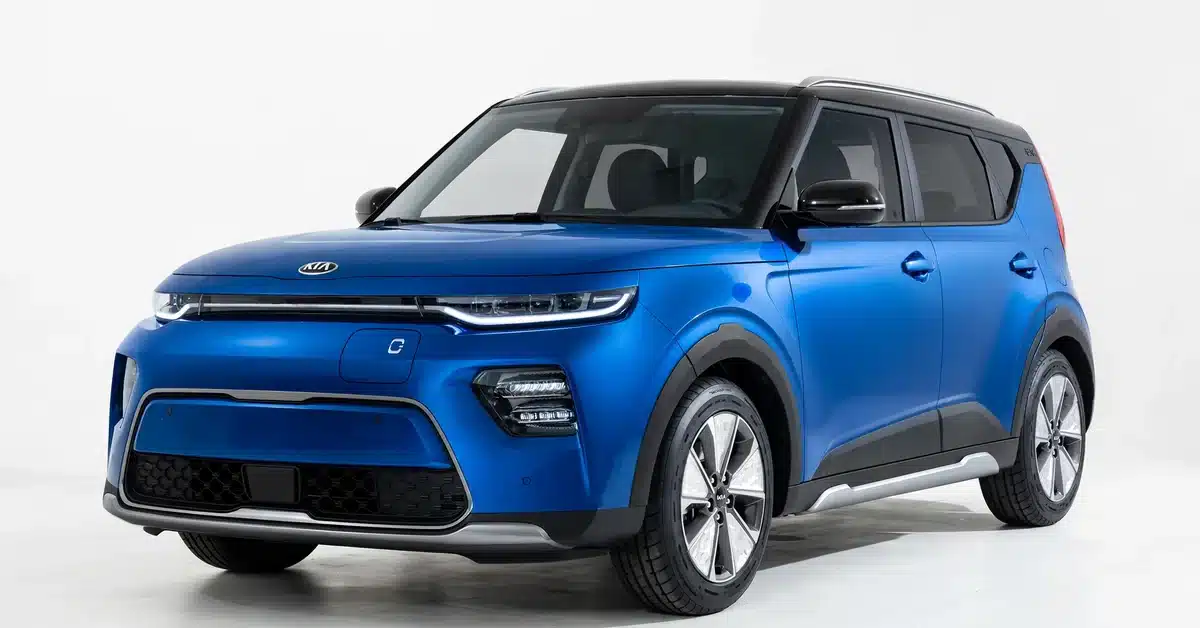
The Kia Soul EV battery ran through three generations before the model was discontinued — 27–30 kWh (Gen 1, 2014–2019), 39.2 kWh (Gen 2 Standard, 2020–2023), and 64 kWh (Gen 2 Long Range, 2020–2023). The final 64 kWh delivered 243 miles EPA range — class-competitive at launch. DC fast charging peaked at 100 kW (CCS) for the Gen 2 models. Kia discontinued the Soul EV globally by late 2023 — replaced by the Kia EV3 and Niro EV in its segment. The Soul EV is exclusively a used-market vehicle in 2026, with thousands of examples across Europe, North America, and South Korea.
Kia Soul EV Battery: All Generations
| Generation | Years | Battery | EPA Range | WLTP Range | Motor | DC Rate |
|---|---|---|---|---|---|---|
| Gen 1 (27–30 kWh) | 2014–2019 | 27–30 kWh LiPo | 93–111 miles | ~180–200 km | 81–109 kW (109–146 hp) | 50–100 kW (CHAdeMO) |
| Gen 2 Standard (39.2 kWh) | 2020–2023 | 39.2 kWh LiPo | ~105 miles (EU), 171 mi WLTP | ~280 km | 100 kW (134 hp) | 100 kW (CCS) |
| Gen 2 Long Range (64 kWh) | 2020–2023 | 64 kWh LiPo | 243 miles EPA | ~280 miles WLTP | 150 kW (201 hp) | 100 kW (CCS) |
Why the Soul EV Was Discontinued
Kia discontinued the Soul EV globally by end-2023 for straightforward strategic reasons. The EV3 (launched 2025) delivers more range, faster charging, and better technology in a similarly sized package. The Niro EV already filled the compact FWD electric crossover role in markets where the Soul EV overlapped. Kia’s expanding EV lineup (EV3, EV4, EV5, EV6, EV9) made the aging Soul EV platform redundant. The conventional petrol Soul continued in the U.S. through 2025 before also being discontinued.
Gen 2 Long Range: 64 kWh Was Genuinely Competitive
The 64 kWh Gen 2 Long Range Soul EV was ahead of its time at launch in 2020. The 243-mile EPA range exceeded the Nissan Leaf 62 kWh, Hyundai Kona Electric, and most rivals at the same price point. The 201 hp motor and 291 lb-ft torque delivered genuinely brisk performance. The Lithium Polymer (LiPo) cells — not the same as lithium-ion NMC — have shown good long-term degradation characteristics. Long-term owners report approximately 85–92% battery health after 4–5 years of ownership.
Soul EV Charging Speeds
| Method | Power | 39.2 kWh Gen 2 Standard | 64 kWh Gen 2 Long Range |
|---|---|---|---|
| Level 2 (7.2 kW) | 7.2 kW | ~6 hours full | ~9.5 hours full |
| DC Fast (100 kW, CCS) | 100 kW peak | ~42 min (20–80%) | ~42 min (20–80%) |
Used Soul EV in 2026: What to Look For
- Always choose the 64 kWh Long Range: The 39.2 kWh Standard’s 171-mile WLTP range degrades to approximately 145–155 miles after several years — barely adequate; the 64 kWh at 243 EPA is the only viable long-term option
- Gen 1 models (CHAdeMO): CHAdeMO DC chargers are increasingly rare in North America and Europe — avoid Gen 1 unless you have confirmed CHAdeMO access near you
- Check battery health via OBD2: The Kia Soul EV’s BMS is accessible with Kia-compatible OBD2 tools — verify actual SOH percentage before purchase
- Confirm battery warranty remaining: The original 7-year / 100,000-mile (Korea) or 8-year / 100,000-mile (US) battery warranty applies — verify remaining coverage via Kia’s dealer VIN lookup
Battery Warranty: Original Terms
Kia covered the Soul EV battery with an 8-year / 100,000-mile warranty (U.S.) and similar terms in European markets. A 2023 Soul EV still has coverage remaining until approximately 2031. Annual LiPo degradation is approximately 1.5–2% per year — modest and broadly consistent with owner-reported data. The LiPo chemistry is different from NMC/NCA — early concerns about LiPo durability have proven unfounded in long-term Soul EV ownership data.
Conclusion
The Kia Soul EV battery peaked with the 64 kWh Gen 2 Long Range — 243 miles EPA, 100 kW CCS, and 201 hp in Kia’s iconic boxy body. Discontinuation by late 2023 makes it a used-market-only proposition in 2026. The Gen 2 Long Range remains a genuinely capable used EV — adequate range, competitive charging, and Kia’s proven reliability track record. For used buyers, the 64 kWh Long Range with CCS charging and confirmed battery health represents good value in the compact electric crossover segment — particularly given the attractive pricing of used examples relative to newer rivals.
