
Ford Explorer Electric Battery: Complete Guide

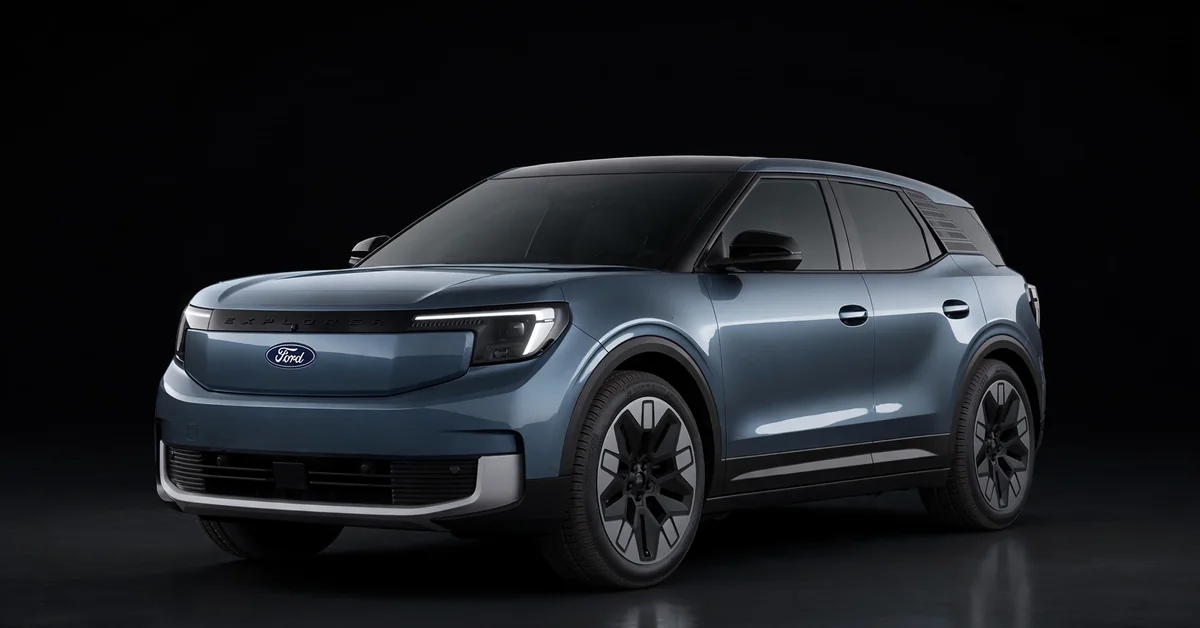
The Ford Explorer Electric battery is available in 52 kWh (Standard Range) and 77–79 kWh (Extended Range) — built on Volkswagen’s MEB platform, sharing architecture with the VW ID.4. The Extended Range RWD delivers up to 374 miles WLTP — one of the longest ranges in the compact electric SUV class. DC fast charging peaks at 185 kW, completing 10–80% in approximately 26–28 minutes. The Ford Explorer Electric is a Europe-only model — manufactured in Cologne, Germany — not the North American Ford Explorer SUV, and uses an entirely different battery platform than Ford’s own Mustang Mach-E.
Ford Explorer Electric Battery: Full Specs by Variant
| Variant | Battery | Drivetrain | WLTP Range | Power | Peak DC Rate | 10–80% Time |
|---|---|---|---|---|---|---|
| Standard Range (RWD) | 52 kWh | RWD | 233 miles (375 km) | 170 hp | 100–120 kW | ~28 min |
| Extended Range (RWD) | 77–79 kWh | RWD | 374 miles (602 km) | 286 hp | 170–185 kW | ~26–28 min |
| Extended Range AWD | 77 kWh | AWD | 352 miles (566 km) | 340 hp | 170–185 kW | ~28 min |
The MEB Connection: Ford on VW’s Platform
The Ford Explorer Electric uses Volkswagen’s MEB (Modular Electric Drive Matrix) platform — the same architecture powering the VW ID.4, Audi Q4 e-tron, and Skoda Enyaq. Ford partnered with Volkswagen to access MEB for European electric vehicles, reducing development cost and time to market. The Explorer EV uses MEB’s NMC prismatic cells, 400V architecture, and liquid thermal management. Ford engineers tuned the suspension independently — Top Gear notes it feels more Ford-like than the VW it shares components with.
The Explorer EV was produced at Ford’s Cologne Body & Assembly plant — the first Ford EV built in Germany. This is a separate vehicle from the North American Ford Explorer, which remains a petrol-powered or hybrid three-row SUV. European buyers who specifically want an electric Explorer should note this is a five-seat compact crossover, not the larger American model. It competes with the VW ID.4, Kia EV6, and Tesla Model Y in the European market.
Extended Range Battery: 374 Miles WLTP
The Extended Range RWD variant’s 374-mile WLTP figure is a standout number for a compact electric SUV. This translates to approximately 275–325 miles in real-world mixed and motorway driving. The high range comes from the 77–79 kWh NMC MEB pack’s excellent efficiency — the Explorer EV achieves 3.6–4.5 miles/kWh in Carwow testing. The NMC MEB cells are the same used in the VW ID.4 Pro S — proven units with a strong track record from the world’s largest MEB platform deployment.
Ford Explorer Electric Charging Speeds
| Method | Power | 52 kWh (Standard) | 77–79 kWh (Extended) |
|---|---|---|---|
| Level 1 (120V) | ~1.4 kW | ~40 hours full | ~60 hours full |
| Level 2 (7 kW) | 7 kW | ~8 hours (10–80%) | ~12.5 hours full |
| Level 2 (11 kW) | 11 kW | ~5.5 hours full | ~8 hours full |
| DC Fast | 100–185 kW | ~28 min (10–80%) | ~26–28 min (10–80%) |
Ford Explorer EV Real-World Range
- Extended Range RWD, mixed city and motorway: Approximately 290–330 miles at 3.6–4.0 miles/kWh
- Extended Range RWD, motorway at 70 mph: Approximately 260–280 miles
- Standard Range (52 kWh), urban: Approximately 190–215 miles in mild weather
- Standard Range, motorway: Approximately 170–190 miles — the modest 52 kWh pack is best suited for daily commuting rather than long trips
Battery Warranty
Ford covers the Explorer Electric battery with an 8-year / 160,000 km (100,000 mile) warranty in European markets against defects and capacity below 70%. This mirrors VW Group’s MEB platform warranty. Annual NMC degradation is approximately 1.5–2.5% per year. Long-term MEB owner data from the VW ID.4 shows most vehicles retaining 85–92% SOH at 80,000–100,000 km.
Explorer EV vs Competitors: European Compact EV Comparison
| Model | Battery (Usable) | WLTP Range | Peak DC Rate | Starting Price |
|---|---|---|---|---|
| Ford Explorer EV (Extended RWD) | 77 kWh NMC | 374 miles | 185 kW | ~€50,000 |
| VW ID.4 Pro (77 kWh) | 77 kWh NMC | ~340 miles | 175 kW | ~€46,000 |
| Kia EV6 LR RWD | 84 kWh NMC | ~361 miles EPA | 258 kW | ~€52,000 |
| Tesla Model Y LR | ~82 kWh NCA | ~330 miles EPA | 250 kW | ~€49,000 |
Full specs for the Kia rival above are in our Kia EV6 battery guide.
Charging Tips for Ford Explorer EV Owners
- Set daily charge limit to 80%: NMC benefits from this — 80% of 77 kWh provides ~62 kWh, covering 220+ miles of daily European driving
- Use Ford Pass app for charging management: Ford Pass integrates charging scheduling, public charger locations, and battery preconditioning via the app
- Route via built-in navigation for preconditioning: The Explorer EV preconditions the battery when routing to a fast charger in the standard navigation — use this for fastest DC charging sessions
- Choose Extended Range over Standard for road trips: The 141-mile WLTP difference between Standard and Extended range is significant on longer European journeys
Conclusion
The Ford Explorer Electric battery delivers VW Group MEB technology wrapped in Ford’s design and tuning. The Extended Range’s 374-mile WLTP range is the headline achievement — one of the longest in any compact European electric SUV. DC fast charging at 185 kW provides 26–28-minute 10–80% sessions. Buyers wanting Ford’s American-market electric SUV and pickup should also see our Mustang Mach-E battery guide and F-150 Lightning battery guide. For European buyers who want Ford brand identity, familiar infotainment logic, and genuinely impressive range in a compact five-seat format, the Explorer EV battery proposition is compelling in 2026.
