
Biggest US EV Charging Networks: Stations, Ports and Stalls per Site


Counts checked November 12, 2026 against the US Department of Energy’s Alternative Fuels Data Center (AFDC) live database — public, available chargers in the United States — with November 2026 industry analysis from EV Charging Stations (Moloughney) and Paren’s Q3 2026 report for context. Networks’ own worldwide marketing totals are not used, because they cannot be compared with US counts.
“Largest” depends on what you count. ChargePoint has the most station locations in America — 49,271, mostly Level 2. Tesla has the most fast-charging capacity: 40,612 Supercharger ports, about half of all US DC fast-charging ports. And for the biggest sites, Tesla again: its stations average 12.2 stalls each, against a US fast-charging average of about 5.
Key figures (AFDC, November 2026):
• US total: 83,948 public station locations, 263,320 ports
• DC fast charging: 15,937 locations, 79,835 ports
• Biggest single site: Tesla’s Oasis in Lost Hills, California — 164 stalls
Stations, ports and stalls: the words decide the winner
Every “largest network” argument is really an argument about definitions — so here are the official ones.
The Department of Energy counts a station location as one physical place with one or more charging ports — a parking lot or garage. A port is what actually charges a car: one port powers one vehicle at a time, even if it carries two connector types. Drivers usually say “stall” for the same thing as a port at a fast charger. Keep those three apart and every ranking below makes sense.
The rankings: US charging networks by size
One table, one counting system (AFDC, November 2026), no marketing numbers.
| Network | Station locations | Charging ports | Stalls per site (DC fast) | Known for |
|---|---|---|---|---|
| ChargePoint | 49,271 | 86,514 (L2 + DC) | 1.1 (DC sites) | Most locations overall |
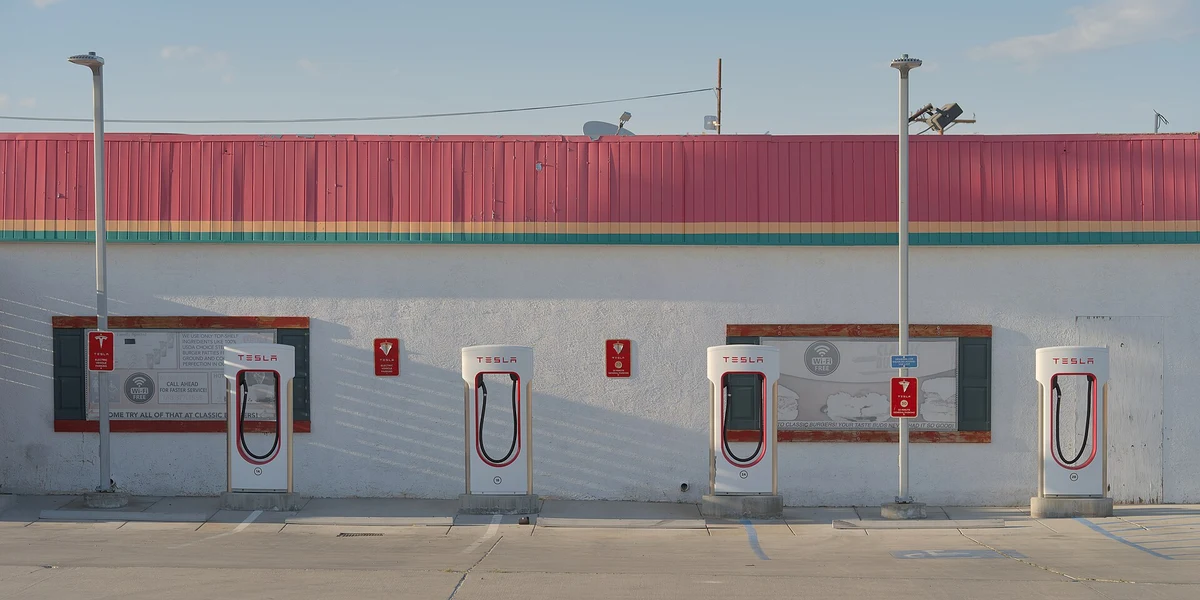
| Tesla Supercharger | 3,318 | 40,612 (DC fast) | 12.2 | Most fast-charging ports |
| Blink | 5,844 | 22,309 (L2 + DC) | 3.1 | Second-most locations |
| Electrify America | 1,228 | 6,261 (DC fast) | 5.1 | Highway fast charging |
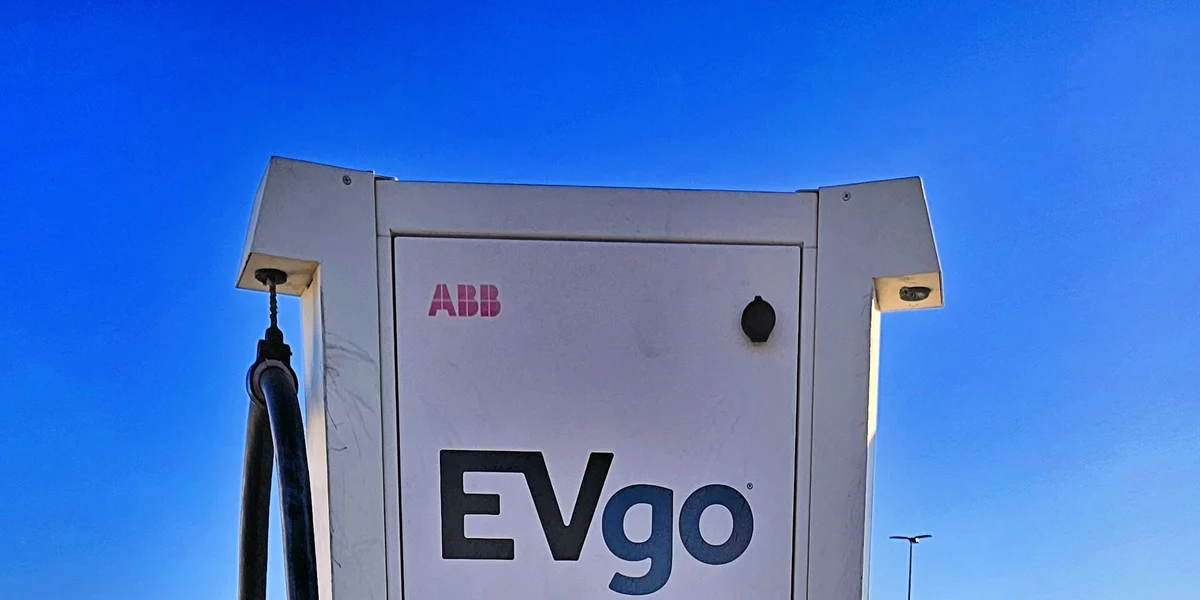
| EVgo | 1,162 | 5,275 | 4.5 | Urban fast charging (+ Pilot/Flying J) |
| IONNA | 222 | 1,814 (DC fast) | 8.2 | Fastest-growing newcomer |
Read the ChargePoint row carefully: it leads on locations by a mile, but its typical site is a single Level 2 post in a car park. Tesla’s row is the opposite — fewer, far bigger sites, all fast.
Which network has the most stalls at each site?
Tesla, and it is not close: 12.2 stalls per US Supercharger station on average.
This is the question drivers actually ask, because stalls per site is what decides whether you queue. Behind Tesla come the newer highway networks — Mercedes-Benz High-Power Charging at 9.4 stalls per site, Walmart at 8.3 and IONNA at 8.2 — then Rivian (7.2), Electrify America (5.1) and EVgo (4.5). ChargePoint’s DC fast sites average about one port each. The extreme case is Tesla’s Oasis site in Lost Hills, California: 164 stalls, the largest charging site in the country.
So which network is “best”?
Size is not the same as dependability — and this site keeps the two questions separate on purpose.
This page ranks networks by how much charging they have built. Whether those chargers work when you arrive is a different measurement, covered in our guide to the most reliable charging network. To find any of them near you, the EV charging station locator searches live locations. And if you are weighing a road trip, stalls per site (above) matters more than any national total.
The movers: IONNA rising, Shell leaving
The fastest change in US charging is at the edges of the table, not the top.
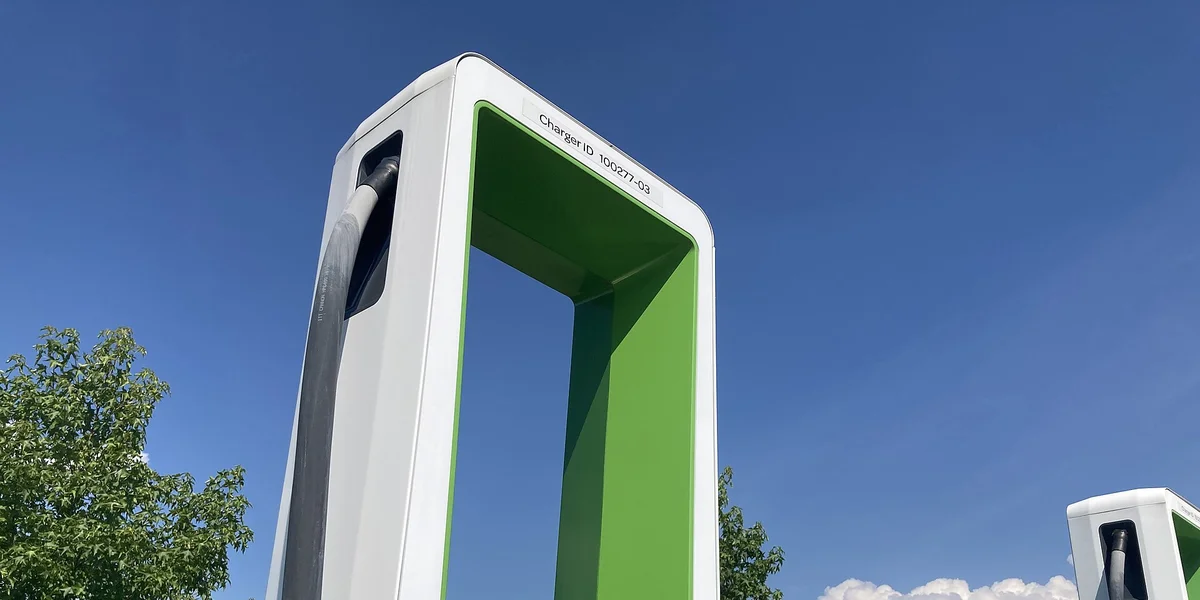
IONNA — the network built by seven carmakers — passed 180 live sites in September 2026 and 200 soon after, doubling during 2026, on its way to a target of more than 30,000 chargers by 2030; it also topped J.D. Power’s 2026 public-charging study in its first year. Walmart is building its own network at its stores (about 1,100 ports by late October 2026). Going the other way, Shell dismantled the Volta network it had bought — more than 2,000 stations wound down from 2025 — and ended its Shell Recharge software business, a reminder that a network’s size today is not a promise about tomorrow. Our Blink Charging guide covers the other network whose numbers need careful reading.
Frequently asked questions
What is the largest EV charging network in the US?
By locations, ChargePoint (49,271). By fast-charging ports — the capacity drivers feel — Tesla’s Supercharger network (40,612 ports, about half of all US DC fast charging).
How many public EV chargers are there in the US?
As of November 2026 the Department of Energy counts 263,320 public charging ports at 83,948 station locations, of which 79,835 ports are DC fast chargers.
Which charging network has the biggest stations?
Tesla: US Supercharger stations average 12.2 stalls, and its Lost Hills, California “Oasis” site has 164 — the largest in the country.
Is ChargePoint bigger than Tesla?
In locations, yes, many times over — but most ChargePoint sites are one or two Level 2 posts. In fast-charging capacity Tesla is roughly eight times larger.
What is the fastest-growing charging network?
IONNA, the carmakers’ joint venture, doubled during 2026 and is targeting 30,000+ chargers by 2030; Walmart’s own-brand network is the other fast riser.
Conclusion
Count the right thing: locations for presence, ports for capacity, stalls per site for your road trip.
On those measures America has three different “largest” networks — ChargePoint, Tesla and Tesla again — and the honest answer to any ranking question starts with which of the three you meant.
