
BYD Atto 3 Evo Battery: Complete Guide

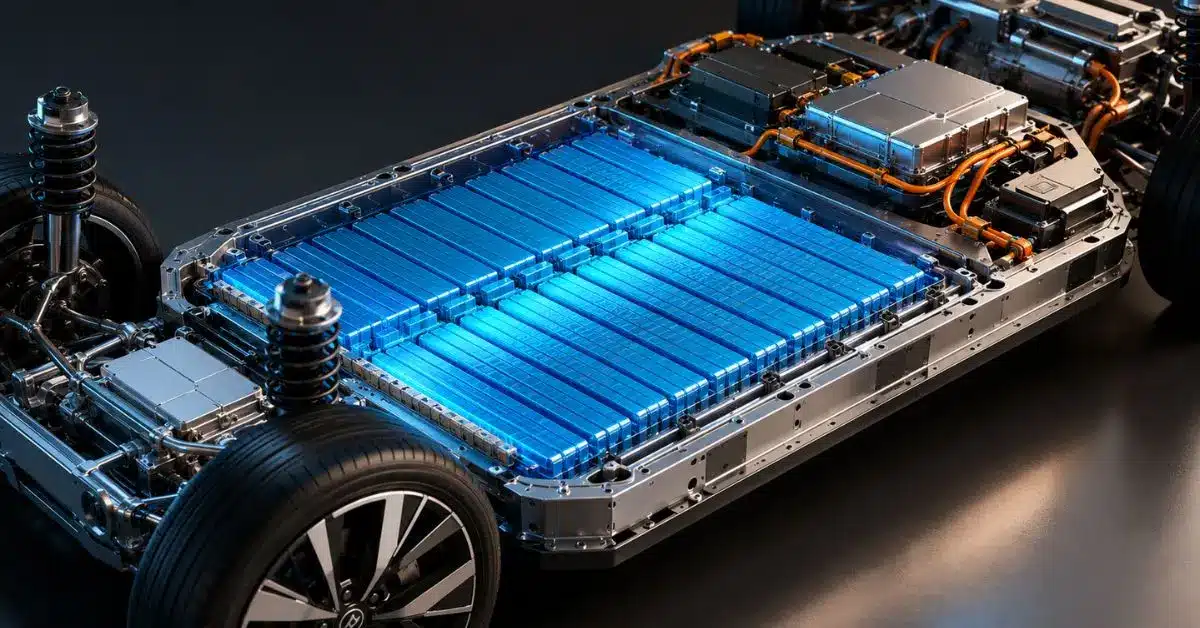
The BYD Atto 3 Evo uses a 74.8 kWh LFP Blade Battery built on an 800V e-Platform 3.0. This is a big upgrade from the original model’s 60.5 kWh, 400V system. The car charges quickly, reaching 10–80% in 25 minutes with its 220 kW DC fast charging.
The RWD Design model travels 317 miles based on WLTP standards. The AWD Excellence model speeds from 0–62 mph in just 3.9 seconds. BYD uses Cell-to-Body (CTB) construction, which integrates the battery directly into the car’s frame, as in the BYD Seal.
Europe received its first deliveries in the spring of 2026. BYD does not plan to sell the Evo in the U.S. or Canada.
BYD Atto 3 Evo Battery: Full Specs
| Specification | Design (RWD) | Excellence (AWD) |
|---|---|---|
| Battery capacity | 74.8 kWh LFP Blade | 74.8 kWh LFP Blade |
| Architecture | 800V e-Platform 3.0 | 800V e-Platform 3.0 |
| Battery integration | Cell-to-Body (CTB) | Cell-to-Body (CTB) |
| Motor | Single rear, 230 kW (313 hp) | Dual motor, 330 kW (449 hp) |
| Torque | 380 Nm (280 lb-ft) | 560 Nm (413 lb-ft) |
| WLTP Range | 317 miles (510 km) | 292 miles (470 km) |
| 0–62 mph | 5.5 seconds | 3.9 seconds |
| Top speed | 124 mph (200 km/h) | 124 mph (200 km/h) |
| DC fast charging | 220 kW peak | 220 kW peak |
| 10–80% DC time | ~25 minutes | ~25 minutes |
| AC charging | 11 kW | 11 kW |
| V2L | Yes (3.3 kW) | Yes (3.3 kW) |
| Towing capacity | 1,500 kg braked | 1,500 kg braked |
| Boot space | 490 L (1,360 L folded) + 101 L frunk | 490 L + 101 L frunk |
From 400V to 800V: The Platform Leap
The original Atto 3 used BYD’s e-Platform 3.0 at 400V — competent but limited to ~89 kW DC charging. The Evo jumps to 800V architecture — the same voltage class as Hyundai’s E-GMP and Porsche’s J1. This enables 220 kW DC charging — 2.5 times faster than the original. The original Atto 3’s 10–80% time was approximately 50 minutes; the Evo’s 25 minutes is a decisive improvement.
The switch from FWD to RWD (Design) and AWD (Excellence) is equally significant. Front-wheel drive struggled under hard acceleration in the original model. Rear-wheel drive delivers a more natural weight distribution and improved driving dynamics. BYD’s five-link rear suspension replaces the outgoing four-link design — directly addressing European buyers’ handling complaints about the first-generation car.
Cell-to-Body (CTB) Technology
The Atto 3 Evo uses BYD’s Cell-to-Body (CTB) technology — the battery cells are structural members of the vehicle floor. This removes the separate battery enclosure, saving weight and lowering the car’s center of gravity. The floor stiffness increases dramatically — BYD claims a 40% improvement in torsional rigidity over conventional battery packs. This structural role also improves crash performance: the cells distribute impact energy across a larger area.
LFP Blade Battery: Daily 100% Charging Advantage
The 74.8 kWh Blade Battery uses BYD’s proprietary LFP (Lithium Iron Phosphate) chemistry. LFP supports daily 100% charging without the degradation concerns of NMC chemistry. The Blade design runs cells without module casings — improving thermal management and eliminating the risk of module-level failure. BYD’s nail-penetration safety test passes without thermal runaway — the best LFP fire safety performance available.
Evo Charging Speeds
| Method | Power | Atto 3 Evo (74.8 kWh) |
|---|---|---|
| Level 1 (standard outlet) | ~1.4 kW | ~60 hours full |
| Level 2 (7 kW) | 7 kW | ~12 hours full |
| Level 2 (11 kW) | 11 kW | ~8 hours full |
| DC Fast (220 kW peak) | 220 kW | ~25 min (10–80%) |
Evo vs Original Atto 3: What Changed
| Feature | Original Atto 3 (2022–2025) | Atto 3 Evo (2026) |
|---|---|---|
| Battery | 49.9–60.5 kWh LFP | 74.8 kWh LFP Blade CTB |
| Architecture | 400V | 800V |
| DC charging | ~89 kW | 220 kW |
| 10–80% time | ~50 min | ~25 min |
| Drivetrain | FWD only | RWD or AWD |
| WLTP range (best) | ~260–280 miles | 317 miles (RWD) |
| Performance (AWD) | N/A | 3.9 sec 0–62 mph, 449 hp |
| Boot space | ~440 L | 490 L + 101 L frunk |
Battery Warranty
BYD covers the Atto 3 Evo battery with an 8-year / 155,350-mile (250,000 km) warranty guaranteeing 70% State of Health. The 155,350-mile mileage limit is exceptionally generous — the highest of any EV brand in European markets. LFP chemistry’s inherent cycle-life advantage means degradation during this warranty period will be minimal for most owners. BYD’s 6-year vehicle warranty is also among Europe’s longest.
Atto 3 Evo vs Competitors
| Model | Battery | WLTP Range | DC Rate | Chemistry | Starting Price (est.) |
|---|---|---|---|---|---|
| BYD Atto 3 Evo (RWD) | 74.8 kWh LFP CTB | 317 miles | 220 kW | LFP | ~£38,000 |
| Hyundai Ioniq 5 LR RWD | 84 kWh NMC | 354 miles | 260 kW | NMC | ~£44,000 |
| Skoda Enyaq 85 | 77 kWh NMC | 359 miles | 135 kW | NMC | ~£44,000 |
| Tesla Model Y LR RWD | ~75 kWh NMC | ~600+ km WLTP | 250 kW | NMC | ~£46,000 |
Charging Tips for BYD Atto 3 Evo Owners
- Charge to 100% daily: LFP Blade chemistry specifically benefits from regular full charges — unlike NMC, 100% is healthy and keeps the BMS calibrated accurately
- Use 220 kW DC chargers for road trips: The Evo’s full 220 kW rate requires an 800V-compatible station — confirm the charger supports 800V before expecting peak speed
- Use V2L for outdoor activities: The 3.3 kW V2L output powers camping gear, tools, or emergency appliances directly from the 74.8 kWh battery
- Choose Design (RWD) for maximum range: The single-motor RWD Design achieves 317 miles WLTP vs the Excellence AWD’s 292 — 25 miles extra range per charge for everyday driving
Conclusion
The new BYD Atto 3 Evo battery is a major upgrade. It features a 74.8 kWh Blade LFP battery that uses 800-volt technology. This allows the car to charge at 220 kW in just 25 minutes. BYD also added Cell-to-Body technology, which integrates the battery directly into the car’s frame for greater structural strength. Drivers can choose between rear-wheel-drive and all-wheel-drive models.
The car includes Vehicle-to-Load (V2L) power, which lets you use the battery to power other electronics. It also comes with a strong 8-year or 155,350-mile battery warranty. If you want a smaller, cheaper car, check our guides for the BYD Atto 2 or the faster BYD Seal sedan.
With a 317-mile WLTP range and a 3.9-second acceleration time for the all-wheel drive version, the Evo is a top competitor. The WLTP is a standard test that measures how far an electric car can travel on one charge. This performance shifts the Evo from a simple budget option to a leader in its class.
