
Chevy Bolt Battery Lifespan: What Owners Report

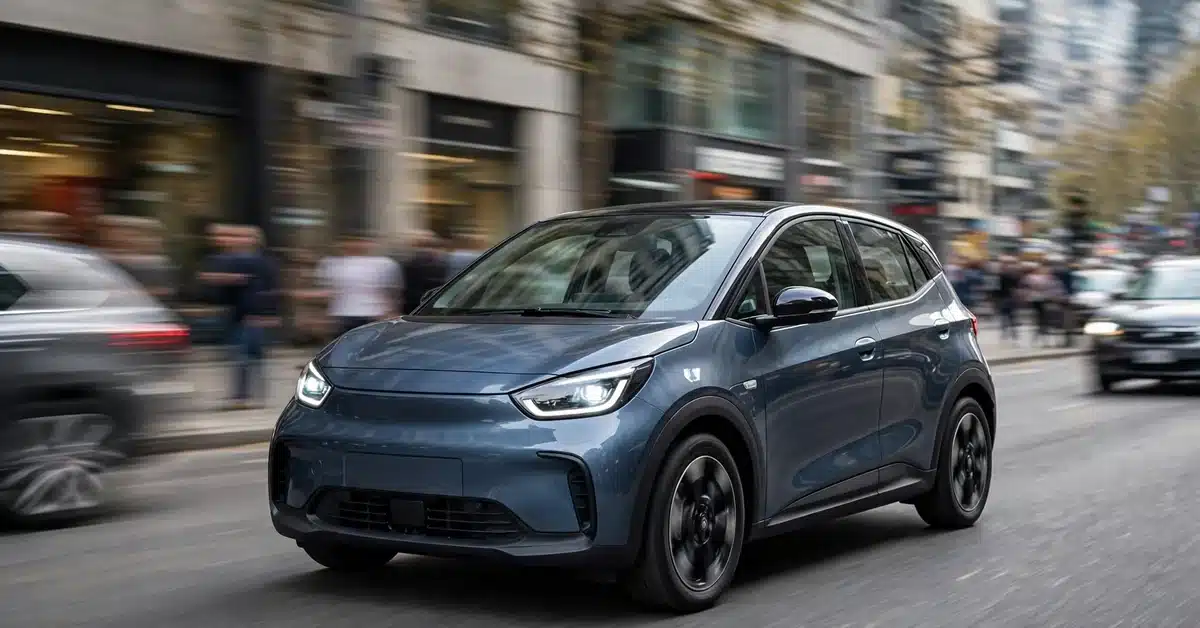
The Chevrolet Bolt has a unique battery history among mainstream EVs — solid underlying chemistry and liquid cooling, but disrupted by a major 2021 recall that replaced most pre-recall packs entirely. This guide covers what current owners actually report for lifespan, and how the recall affects what to expect from a used Bolt today.
The 2021 Battery Recall: What Happened
In 2020–2021, GM issued a major recall for Bolt EVs (model years 2017–2022) after a small number of vehicles experienced battery fires linked to manufacturing defects in cells supplied by LG Energy Solution — specifically, a torn anode tab and folded separator that could cause an internal short circuit under rare conditions. GM ultimately replaced the vast majority of affected battery packs entirely, at no cost to owners, rather than issuing a partial fix.
This matters directly for lifespan expectations: most Bolts on the road today from the 2017–2022 model years are running on a battery pack that is newer than the vehicle’s registration date, since the recall replacement happened well after initial sale for many owners. A used Bolt from this era should have recall completion documented in its service history — verify this before assuming the original battery is still in the car.
What Owners Report Post-Recall
Since the recall replacement, real-world degradation reports on the Bolt have been solidly in line with the broader liquid-cooled NMC EV market — typically around 2% annual degradation, translating to roughly 82–85% capacity retention in the 80,000–100,000 mile range. This puts the post-recall Bolt squarely in the middle of the pack compared to competitors, benefiting from a genuinely fresh battery pack in many cases rather than the original manufacturing run.
2023+ Bolt EUV/EV: The Restarted Model
GM briefly discontinued the Bolt in 2023 before reintroducing an updated version for later model years, using a revised battery pack design intended to address the root causes behind the earlier recall. Given its more recent introduction, long-term degradation data for the relaunched Bolt is still accumulating, but it inherits the same general liquid-cooled NMC architecture that performs reliably across GM’s broader EV lineup.
Buying a Used Chevy Bolt: What to Check
- Verify recall completion: For any 2017–2022 model, confirm via the vehicle’s service history or GM’s VIN lookup tool that the battery recall was completed — this effectively means a full pack replacement in most cases
- Check the replacement date, not just the model year: A 2018 Bolt with a battery replaced in 2022 has a battery pack roughly 4 years younger than the car itself
- Request a current SOH reading: See how to check your EV battery health for methods
- Confirm remaining warranty: Recall-replaced packs typically carry warranty coverage that resets or extends from the replacement date, not the original purchase date — this can meaningfully increase the value of a used Bolt if documented properly
Conclusion
The Chevy Bolt’s battery story is unusual in that its most important lifespan factor isn’t chemistry or cooling design — it’s whether the vehicle received its 2021 recall replacement. A recall-replaced Bolt is effectively running a newer battery than its registration date suggests, and post-recall degradation data tracks in line with typical liquid-cooled NMC competitors. For used-Bolt buyers, confirming recall completion and replacement date should be the very first check, ahead of even a standard SOH reading.
