
Zeekr 001 Battery: Complete Guide

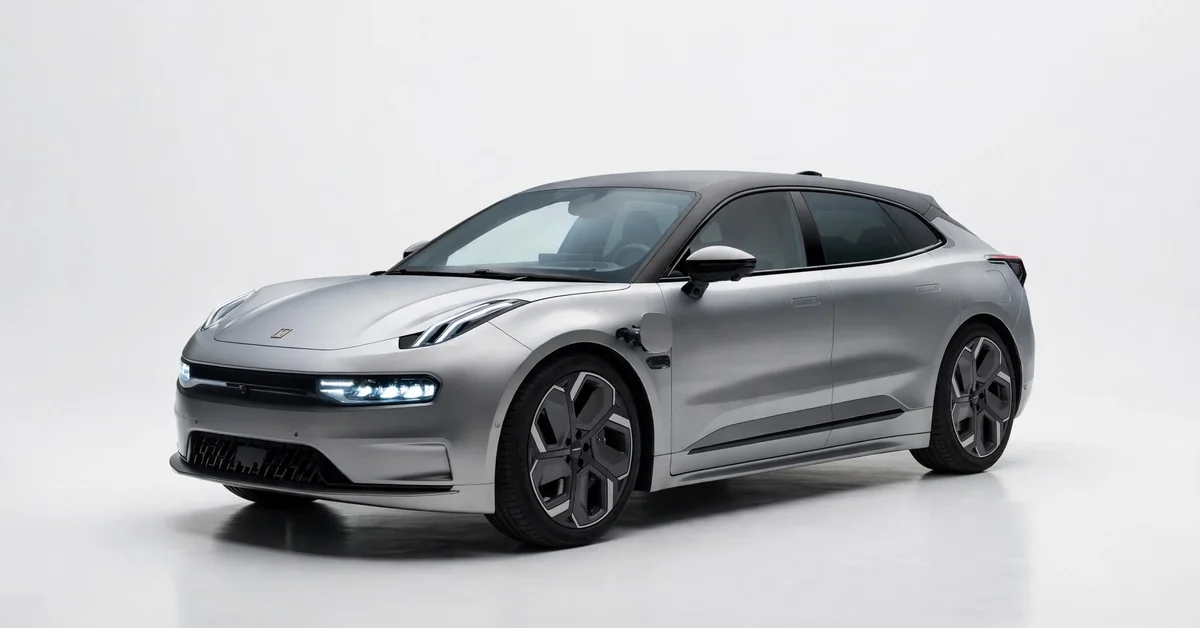
Researched from Zeekr Europe and EV Database specifications, CATL and Chinese-market launch records, and named winter range tests, November 2026.
The Zeekr 001 you can buy in Europe has one battery: a 100 kWh nickel-manganese-cobalt pack (94 kWh usable) on a 400-volt architecture, rated at up to 620 km WLTP and charging at up to 200 kW. It has never been sold in the UK. The far bigger numbers attached to this car — 140 kWh, 800 or 900 volts, 7-minute charging, 1,032 km of range — belong to China-market generations that Europe never received, and this guide keeps the two cars separate throughout.
Zeekr 001 Battery Specs at a Glance
The European car first — one battery, three power/trim levels, all figures WLTP.
| Version (Europe) | Battery | Range (WLTP) | DC / AC charging | 0–100 km/h |
|---|---|---|---|---|
| Long Range RWD | 100 kWh NMC (94 usable) | 620 km | 200 kW / 22 kW | 7.2 s |
| Performance AWD | 100 kWh NMC (94 usable) | 594 km | 200 kW / 22 kW | 3.8 s |
| Privilege AWD | 100 kWh NMC (94 usable) | 585 km | 200 kW / 22 kW | 3.8 s |
China’s 001, covered in its own section below, has run through 86, 95, 100, 103 and 140 kWh batteries in five years. None of those packs — and neither the 800-volt nor the 900-volt architecture — has ever been offered on the European car. If a figure in this guide has no market label, it is European; every Chinese figure is marked as such, with its CLTC rating named, because CLTC and WLTP numbers are not interchangeable.
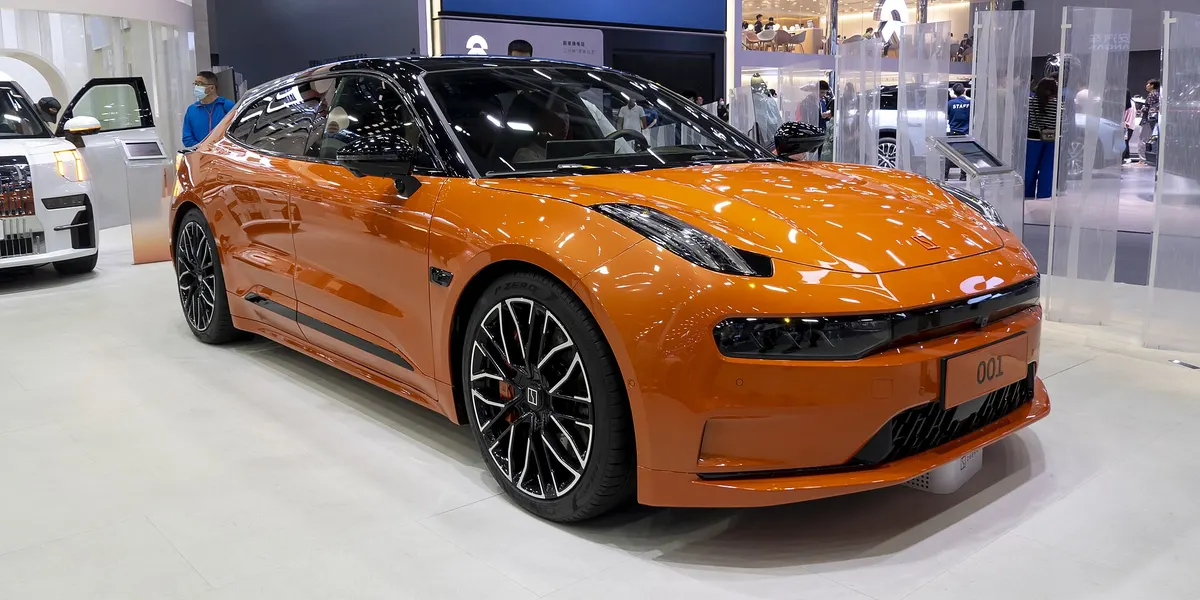
The European Zeekr 001: One Battery, Done Properly
Every European 001 is the same car underneath: 100 kWh of NMC, 407 volts nominal, 200 kW charging and a long warranty — a conservative specification, deliberately so.
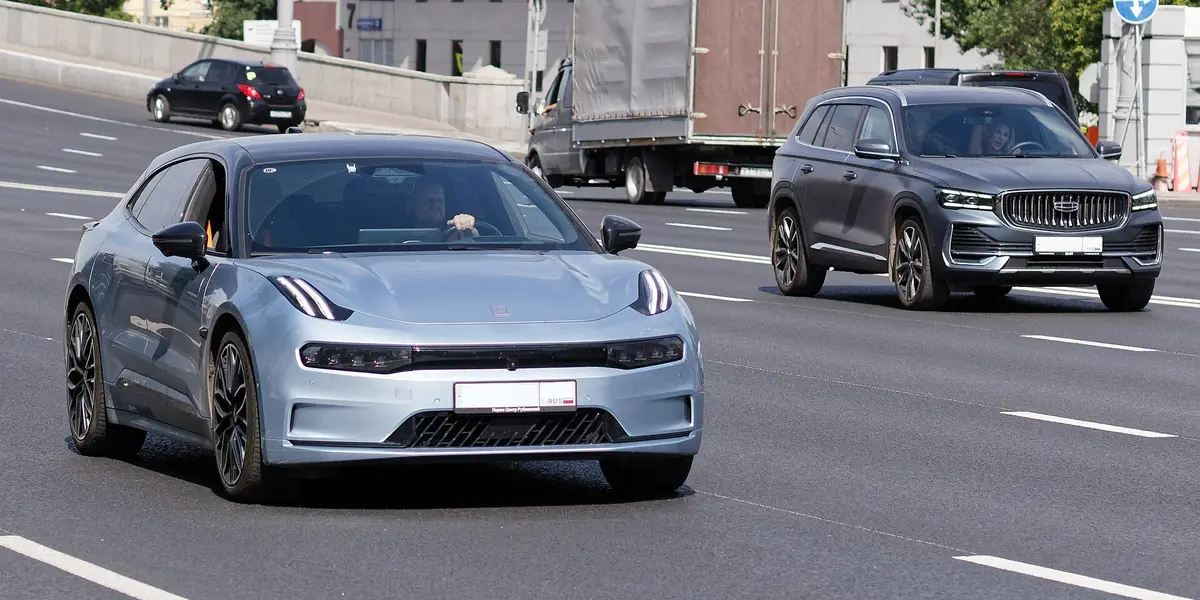
The pack holds 100 kWh in total and 94 kWh usable, built from prismatic NMC cells in a 110-series layout at 407 volts — a 400-volt-class car, which answers the most common question about it outright. Zeekr Europe has never officially named the cell supplier; the pack is reported to be CATL’s, by European trade press and specification databases, and that is as far as the evidence honestly goes. EV Database puts the real-world range at about 505 km combined, against the 620 km WLTP headline for the Long Range car.
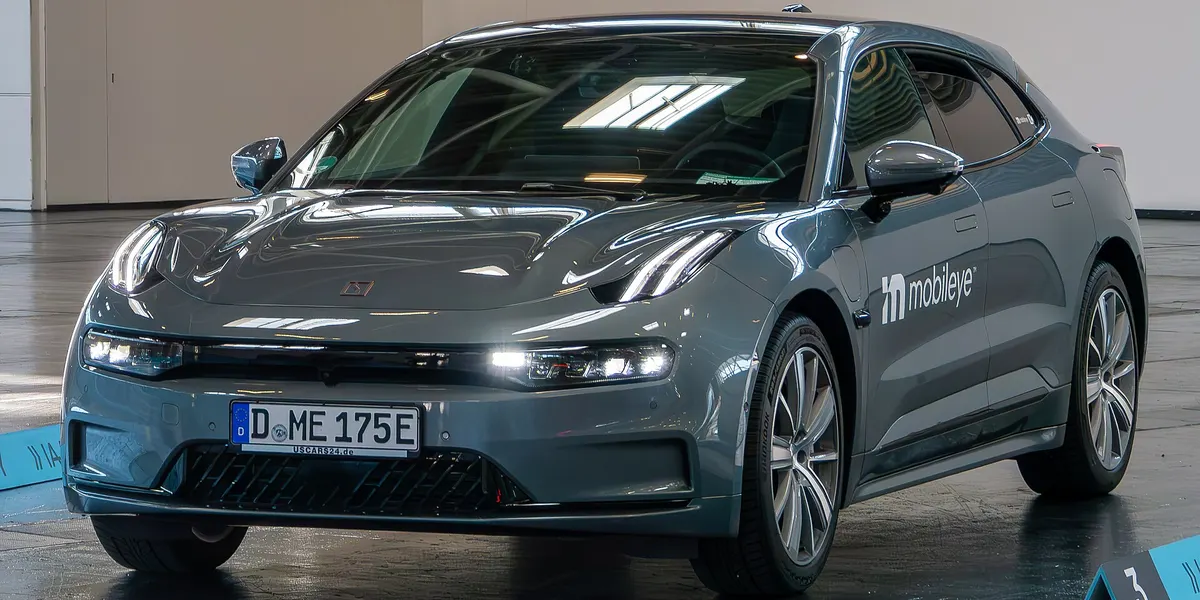
Charging is the strong suit: a 200 kW peak with a 135 kW average across 10–80% (about 31 minutes), figures that come from charging-curve data rather than launch claims, plus 22 kW AC charging that few rivals match. A heat pump is standard on the European cars.
The commercial facts matter as much: the 001 launched in Sweden and the Netherlands in 2023 (from €59,490), reached Germany for January 2026 deliveries (from €59,990), and is listed across 23 European markets — all left-hand drive. No right-hand-drive 001 exists, and the car has never been sold in the UK; Zeekr’s British launch is expected to be led by other models. The battery warranty is 8 years or 200,000 km with a 70% capacity floor — note the mileage, because the 160,000 km figure quoted widely online belongs to other markets.
The China-Market Batteries: Four Generations in Five Years
In China the 001 has been a rolling battery showcase — 400V NMC, a giant Qilin option, an LFP switch, then 800V and 900V — and almost none of it travelled.
2021: the launch cars
The 001 launched in April 2021 with 86 and 100 kWh NMC packs on a 400-volt platform, rated up to 712 km on China’s old NEDC cycle, priced from ¥281,000. Cell supply was split: CATL for the 100 kWh cars, Geely’s in-house VREMT for the 86. Respectable, conventional — and the last time the Chinese and European stories would resemble each other.
2023: the 140 kWh Qilin option
In January 2023 the 001 became the launch car for CATL’s Qilin pack — a 140 kWh option on the single-motor car, rated at 1,032 km CLTC and priced ¥103,000 above the 100 kWh version. It was limited to 1,000 units. The pack alone weighs about 727 kg. This is the car behind most of the enormous range claims attached to the 001’s name — a limited-run Chinese flagship, not a model in any European price list.
2024: 800 volts and the LFP switch
The February 2024 update moved the whole range to 800 volts and split the batteries: a 95 kWh CATL Shenxing LFP pack (675 km CLTC) for the all-wheel-drive entry car, and the 100 kWh Qilin (750 km CLTC) above it. The Shenxing’s fame rests on a charging demonstration — Zeekr’s own car peaked at 546 kW and charged 10–80% in 11 minutes 28 seconds on Zeekr’s own 600 kW V3 charger. That is a factory demonstration on proprietary hardware, not a public-charging specification, and any guide printing “540 kW charging” without that sentence is misleading you. The same year brought a second update within six months, which drew public complaints from owners — the pace of change has a cost.
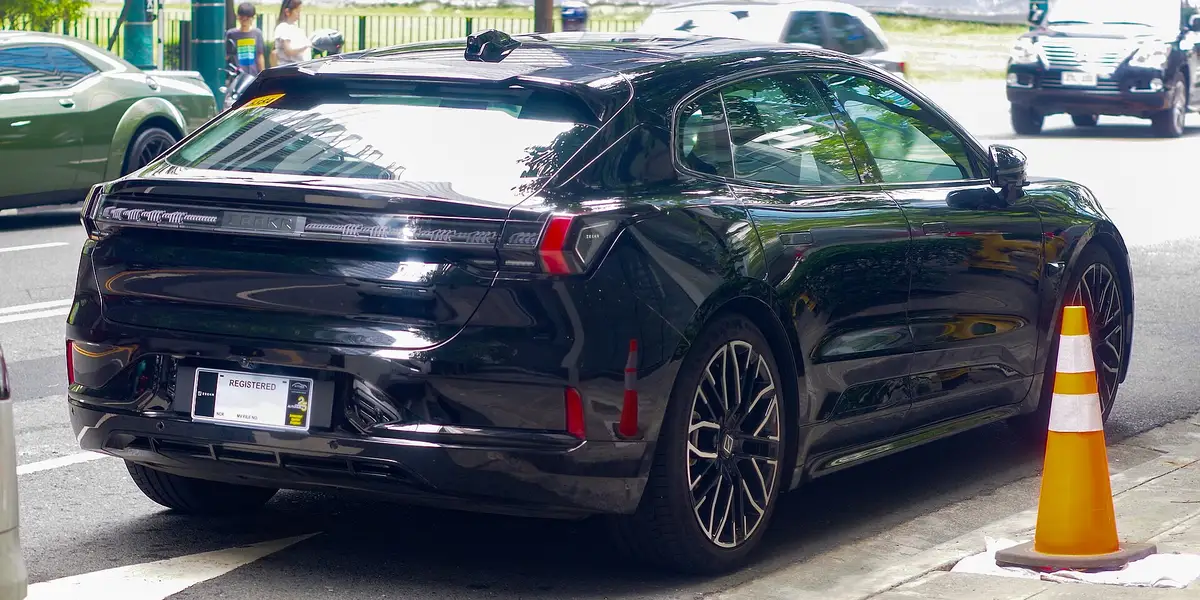
2025: 900 volts and the Golden Battery
The October 2025 update (China’s 2026 model year) went to 900 volts with two more packs: a 95 kWh “Golden Battery” LFP pack — Zeekr’s own design, claiming 10–80% in 7 minutes at charge rates no public network outside China can currently deliver — and a 103 kWh Qilin rated at up to 810 km CLTC. All-wheel-drive cars make 680 kW.
Whether any of this reaches Europe is, in the words of the trade press covering it, unclear. A viral video from the Paris show in October 2026 claims an all-new 800-volt European 001 with figures matching the 2024 China car; Zeekr’s own Paris release lists only a cosmetic “Sports Edition” of the existing car, and the claim should be treated as a mislabelled video until Zeekr says otherwise.
Real-World Range — and the Winter Question
Plan on about 505 km from the European car in mixed driving, roughly 425 km in the cold — and treat any precise winter figure for the 140 kWh car with suspicion, because no instrumented test of it exists.
The winter question is the one this page is asked most, usually about the 140 kWh car at −15 °C. The honest answer starts with an admission: searches of English, Russian and Chinese coverage find no named, instrumented winter test of the 140 kWh version. The “500 km at −15 °C” figure circulating in forums matches no published test. What has been tested, by name, is the 100 kWh car — and its results are the only honest anchor available.
In a January 2023 Chinese winter test at −10 to −15 °C, a 100 kWh 001 (advertised at 650 km) covered 327 km — 50% retention — at an average consumption of 30.6 kWh/100 km. In Autohome’s December 2025 mega-test at Yakeshi (down to −25 °C, the largest winter test on record), an all-wheel-drive 001 retained 49.6% of its rated range, third overall.
Russian owners of imported 100 kWh cars report about 350–400 km in Moscow winters, consistent with the tested pattern. Reason from that pattern for the 140 kWh car and you get a winter figure in the region of 500 km only as an estimate from its 1,032 km rating — plausible arithmetic, but an estimate, and this guide labels it as one rather than dressing it as a test result.
Charging Speeds and Times
In Europe: 200 kW peak, 135 kW average, about 31 minutes for 10–80%, and 22 kW at home. In China: claims that depend entirely on Zeekr’s own chargers.
The European figures are charging-curve numbers, not brochure numbers, and they hold up well — an average of 135 kW is what the driver actually experiences, and a full charge on the 22 kW AC unit takes about five and a quarter hours, or overnight on any ordinary wallbox. One practical point for newer owners: a 400-volt car charges perfectly well on an “800-volt” charger — the charger’s voltage range covers the car, and the car’s own 200 kW cap is what governs the session.
China’s figures need their fencing kept on. The 2024 Shenxing car’s 11.5-minute claim was demonstrated once, at a 546 kW peak, on Zeekr’s proprietary V3 charger; the Qilin car’s claim is 15 minutes.
The 2025 cars claim 7 minutes (95 kWh Golden Battery) and 10 minutes (103 kWh Qilin) — on 900-volt hardware fed by megawatt-class chargers that exist, so far, in Zeekr’s own Chinese network. None of these numbers describes anything a European owner can plug into, and the European car’s honest 200 kW remains the figure that matters west of the Urals. For what those charge rates do to a pack over years, the principles in our LFP vs NMC comparison and preconditioning explainer apply to the China cars’ LFP and high-rate packs respectively.
The 001 FR: 1,248 Horsepower of Halo
The FR is real, extreme and almost entirely irrelevant to buyers: a 930 kW quad-motor flagship, limited to 99 cars a month, sold only in China.
The stored headline survives checking: 930 kW is 1,265 PS, which converts to the quoted 1,248 hp. The FR was Zeekr’s first 800-volt car, carrying the 100 kWh Qilin pack with a claimed 15-minute 10–80% charge, priced at ¥769,000. Its 0–100 km/h claim needs one fence: the advertised 2.02 seconds was set on a rolling start; the standing-start figure is 2.07 seconds. Sales tell the halo story plainly — 241 cars in 2024, 11 in 2025. It was displayed at CES in 2025 but never sold outside China, and no European version exists.
Zeekr 001 Battery Degradation and Warranty
The European warranty is the strongest ownership fact about this car — 8 years, 200,000 km, 70% capacity — because measured degradation data for the 001 does not exist.
- Battery warranty (Europe): 8 years / 200,000 km, capacity at 70% or better
- Vehicle warranty (Europe): 5 years / 100,000 km, extendable to 10 years / 200,000 km with Zeekr servicing
- China terms differ entirely — including, for early cars, first-owner lifetime cover for the battery system, withdrawn for orders from January 2023
On degradation itself, honesty requires a short section: no fleet study or published state-of-health dataset for the 001 exists in anything we could find, and per-year percentages quoted elsewhere for this car have no traceable source. Geely claimed at the platform’s launch that its batteries were designed for no range loss after 200,000 km under NEDC test conditions — a manufacturer’s design claim on a gentle cycle, recorded here as exactly that. What an owner can rely on is the warranty’s 70% floor at 200,000 km, which on the European car still guarantees about 66 kWh of usable battery — more than most EVs start with.
Zeekr 001 vs Its Rivals
The 001’s closest rival shares its platform and its battery: the Polestar 4 matches it figure for figure, while the NIO ET5 Touring offers battery swapping the Zeekr cannot.
| Car | Battery (usable) | WLTP range | DC charging (peak / avg) | Distinguisher |
|---|---|---|---|---|
| Zeekr 001 Long Range | 94.0 kWh NMC | 620 km | 200 / 135 kW | 22 kW AC; longest warranty mileage here |
| Polestar 4 Long Range | 94.0 kWh | 620 km | 200 / 135 kW | Same SEA platform and pack size; no rear window |
| NIO ET5 Touring | 90.0 kWh (100 kWh pack) | 560 km | 180 / 135 kW | Battery swap in about 3 minutes; a 75 kWh option exists |
The Polestar 4 is effectively this car in Swedish dress — same platform family, same headline figures. The NIO’s party trick is swapping rather than charging, a different answer to the same problem. And within Zeekr’s own range, the Zeekr 7X SUV carries the newer battery technology in Europe — the clearest sign of where the brand’s European priorities now sit. The discontinued Tesla Model S remains the segment’s reference point, but it is a benchmark from a finished production run, not a car you can order against the 001.
Frequently Asked Questions
Is the European Zeekr 001 400V or 800V?
400 volts — 407 V nominal, on every European car, in every year. The 800-volt (2024) and 900-volt (2025) 001s are China-market generations that have never been sold in Europe.
How much does a replacement Zeekr 001 battery cost?
Zeekr publishes no European list price. The one hard figure available is Chinese: a spare-parts price of ¥199,700 for the 100 kWh pack (a parts price, not a fitted quote). In Europe the practical answer is the warranty — 8 years or 200,000 km at a 70% capacity floor covers the period in which a failure would be ruinous.
Why is there no 140 kWh Zeekr 001 in Europe?
The 140 kWh Qilin pack was a China-only limited run — 1,000 units, offered as an option on one version in 2023, built around CATL’s Qilin launch. Europe’s car is a separate homologation on the original 400-volt platform, and the big pack was never certified for it. Zeekr has never given an official reason; that is simply the factual record.
What range does the Zeekr 001 get in winter?
For the European 100 kWh car, EV Database estimates about 425 km in cold combined driving. In named winter tests at −10 to −15 °C, the 100 kWh car retained about 50% of its rated range (327 km from a 650 km rating). No instrumented winter test of the 140 kWh car has been published, so precise figures quoted for it are estimates, not measurements.
Who makes the Zeekr 001’s battery cells?
For the European car, the pack is reported to come from CATL — European trade press and specification databases say so, though Zeekr Europe has not published a supplier. In China, supply is split by generation: CATL (Qilin and Shenxing packs), Geely’s in-house VREMT for early 86 kWh cars, and Zeekr’s own Golden Battery design for the 2025 LFP car.
Is the Zeekr 001 FR sold in Europe?
No. The 1,248 hp FR is a China-only flagship limited to 99 cars a month; it was displayed at CES in 2025 but never offered for sale outside China, and recorded sales were 241 cars in 2024 and 11 in 2025.
Can a European 001 use an 800V charger?
Yes. Public rapid chargers cover a wide voltage range that includes 400-volt cars; the session is governed by the car’s own 200 kW limit, not the charger’s headline voltage. The car cannot, however, charge any faster than its 200 kW cap, whatever the charger offers.
How long will the Zeekr 001’s battery last?
No measured dataset exists for this car, so any exact figure is invented. The European warranty guarantees at least 70% capacity for 8 years or 200,000 km, and Geely’s design claim for the platform — no range loss after 200,000 km — was made under NEDC test conditions and should be read as a claim, not a result.
Conclusion
The 001 is two cars wearing one badge: a conservative European shooting brake with an honest battery, and China’s fastest-moving battery programme — and it only makes sense once you refuse to merge them.
The European car deserves its own verdict: 620 km of rated range it largely delivers, charging that averages a genuine 135 kW, 22 kW AC, and the longest battery-warranty mileage in its class. The Chinese car is a spectacle — four battery generations in five years, a 727 kg flagship pack, charging claims that need their chargers named — and it is genuinely interesting, as long as it is labelled as what it is. Judge each on its own market’s evidence, and both stories hold up.
