
Can Cell Imbalance Damage an EV Battery?

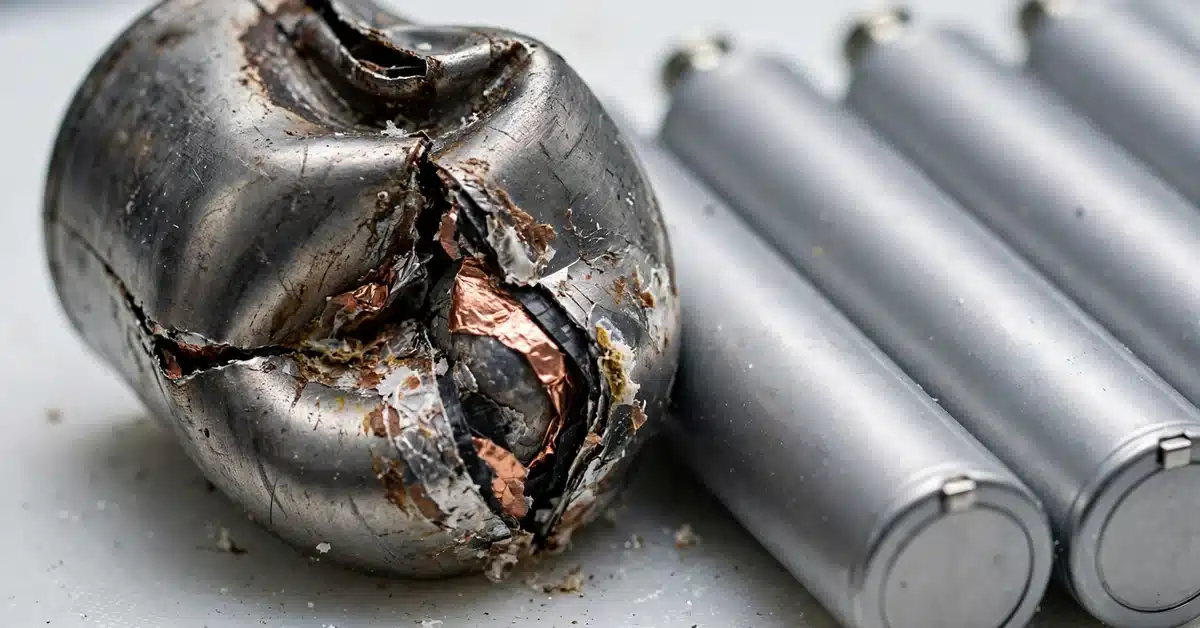
Yes, cell imbalance can damage an EV battery if left unchecked, since it forces weaker cells to repeatedly operate near their voltage limits, accelerating their degradation and potentially increasing safety risk in severe cases. Mild, routine imbalance is normal and manageable; chronic, uncorrected imbalance is genuinely harmful.
Why Imbalance Isn’t Automatically Dangerous
Some degree of voltage drift between cells is expected and normal in any multi-cell pack. Routine BMS balancing exists precisely to catch and correct this everyday variation before it becomes a problem. The concern is chronic or severe imbalance that outpaces what routine balancing can handle.
How Unmanaged Imbalance Actually Causes Damage
Repeated Overcharge Stress on Strong Cells
If the BMS repeatedly has to push a pack’s charging further to accommodate weaker cells, stronger cells can end up sitting closer to their upper voltage limit more often than they should, accelerating their own wear over time.
Repeated Deep Discharge Stress on Weak Cells
Conversely, weaker cells reach their low-voltage cutoff earlier and more often, and repeated exposure to near-minimum voltage accelerates capacity loss in exactly the cells that can least afford it.
Accelerated Aging Feedback Loop
Cells that are already weaker tend to degrade faster under continued stress, which widens the imbalance further, which increases the stress even more. Left unaddressed, this cycle compounds rather than stabilizes.
Increased Heat Generation
Imbalanced cells, and higher internal resistance in aging cells, generate more heat under load. Concentrated heat in specific areas of the pack increases the risk of localized hot spots, which is a genuine safety-relevant concern in severe cases.
How Severe Does Imbalance Need to Be to Matter?
Minor imbalance, often characterized as voltage differences under roughly 0.1V for lithium cells, is generally manageable through normal balancing and isn’t cause for concern. Larger, persistent gaps, especially ones that don’t resolve with routine balancing, indicate an underlying capacity or resistance problem that balancing alone can’t fix.
When Balancing Alone Isn’t Enough
Routine balancing effectively manages state-of-charge imbalance, cells simply sitting at different voltage levels right now. It cannot restore actual lost capacity in a cell that has genuinely degraded more than its neighbors. In that case, the imbalance will keep returning no matter how often the BMS corrects it, since the root cause is a permanent difference in cell health, not a temporary voltage mismatch.
What Happens in Severe, Uncorrected Cases
If imbalance grows large enough, the BMS may detect a fault condition and restrict charging or discharging until the issue is diagnosed, rather than continuing to push a badly imbalanced pack. This is a protective response, not the imbalance itself causing sudden failure, but it does mean the vehicle may become unusable until repaired.
| Imbalance Severity | Risk Level | Typical Resolution |
|---|---|---|
| Minor, routine drift | Low | Corrected automatically by normal BMS balancing |
| Persistent, moderate imbalance | Moderate | May indicate developing cell degradation, worth monitoring |
| Severe, uncorrectable imbalance | High | BMS may restrict use; professional diagnosis needed |
Conclusion
Cell imbalance can damage an EV battery when it’s severe or chronic enough to push weak cells into repeated deep discharge and strong cells into repeated near-overcharge conditions, accelerating degradation and increasing heat generation. Routine, minor imbalance is normal and well-managed by everyday BMS balancing — it’s the persistent, uncorrectable kind that signals a real underlying issue worth addressing.
FAQs
Is a small amount of cell imbalance always a problem?
No, minor imbalance is normal and typically resolved automatically through routine balancing.
Can cell imbalance cause a fire?
It’s an indirect risk factor through increased heat generation in severe cases, though modern BMS protections are specifically designed to intervene before that becomes dangerous.
How would I know if my EV has serious cell imbalance?
Persistent reduced range, charging that stops earlier than expected, or a BMS fault warning are signs worth having professionally diagnosed.
