
What Is a Modular BMS Architecture?

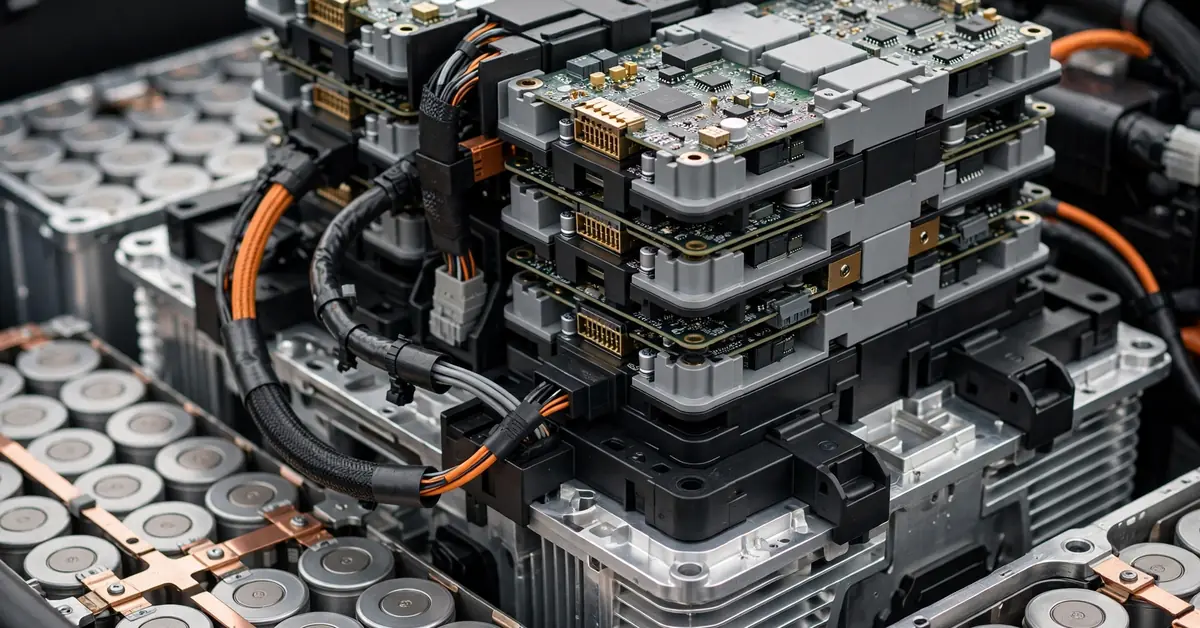
A modular BMS architecture divides the battery pack into independent modules, each with its own self-contained BMS capable of autonomous operation, designed specifically for flexibility and easy serviceability. It shares similarities with distributed architecture but pushes independence a step further, treating each module almost like a standalone unit.
How Modular BMS Differs From Distributed BMS
Where a distributed architecture spreads monitoring across coordinated local controllers reporting to an overall system, a modular architecture treats each module as a more fully independent unit, capable of operating and protecting itself even somewhat separately from the rest of the pack. The distinction can blur in practice, but modular design generally emphasizes module-level autonomy and easy replacement more heavily.
How a Modular BMS Is Built
The battery pack is physically segmented into distinct modules, each equipped with its own dedicated BMS handling that module’s voltage, temperature, and balancing needs. These individual module-level systems then communicate with each other, or with a higher-level coordinator, to manage the pack as a whole.
Why Modular Design Offers Real Practical Advantages
Flexible Configuration
Modular architecture accommodates a wide range of battery configurations and application requirements, since modules can be added, removed, or reconfigured with less redesign than a monolithic centralized system would require.
Easy Integration
Because each module operates independently, integrating the overall system with other vehicle or application components, like inverters or chargers, tends to be simpler than coordinating a single sprawling centralized design.
Reduced Downtime
If a fault occurs, typically only the affected module needs repair or replacement, rather than requiring the entire battery system to go offline, a meaningful advantage for fleet operators or applications where uptime matters.
Fits Irregular Physical Spaces
Since each module has its own self-contained BMS, modular packs can be designed to fit into unconventional or space-constrained layouts more easily than a single centralized board and wiring harness would allow.
The Tradeoffs of Modular Design
Communication Complexity
Coordinating independent modules requires a well-defined communication protocol between them, ensuring the modules can act as a properly balanced whole system rather than a set of disconnected parts.
Balancing Challenges Across Modules
Ensuring proper charge balance across separate modules can be more complex than balancing within a single centralized or distributed unit, since coordination has to happen across more independent decision-making points.
Real-World Example
Modular BMS architecture appears in production EVs where the battery pack is segmented into distinct modules, each with its own BMS, allowing individual modules to be serviced independently rather than requiring whole-pack replacement for a localized issue.
| Strength | Tradeoff |
|---|---|
| Flexible configuration for varied designs | Requires well-defined inter-module communication |
| Easier serviceability, reduced downtime | More complex cross-module balancing |
| Fits irregular physical layouts | Higher component and design complexity than centralized |
Conclusion
A modular BMS architecture gives each battery module its own self-contained management system, prioritizing flexibility, easy serviceability, and reduced downtime over the simplicity of a single centralized controller. The market for this approach is projected to keep growing quickly, largely because these serviceability and flexibility advantages matter increasingly as EV and energy storage packs scale up.
FAQs
Can a faulty module be replaced without affecting the rest of a modular BMS pack?
Generally yes, that’s one of modular architecture’s core advantages — the affected module can typically be serviced independently.
Is modular BMS the same as distributed BMS?
They’re closely related and sometimes used interchangeably, though modular design typically emphasizes greater module-level independence and serviceability.
Which EVs use modular BMS architecture?
Some production EVs segment their pack into distinct modules, each with an independent BMS, allowing individual servicing rather than whole-pack replacement.
