
Can a BMS Be Repaired or Does It Need Replacing?

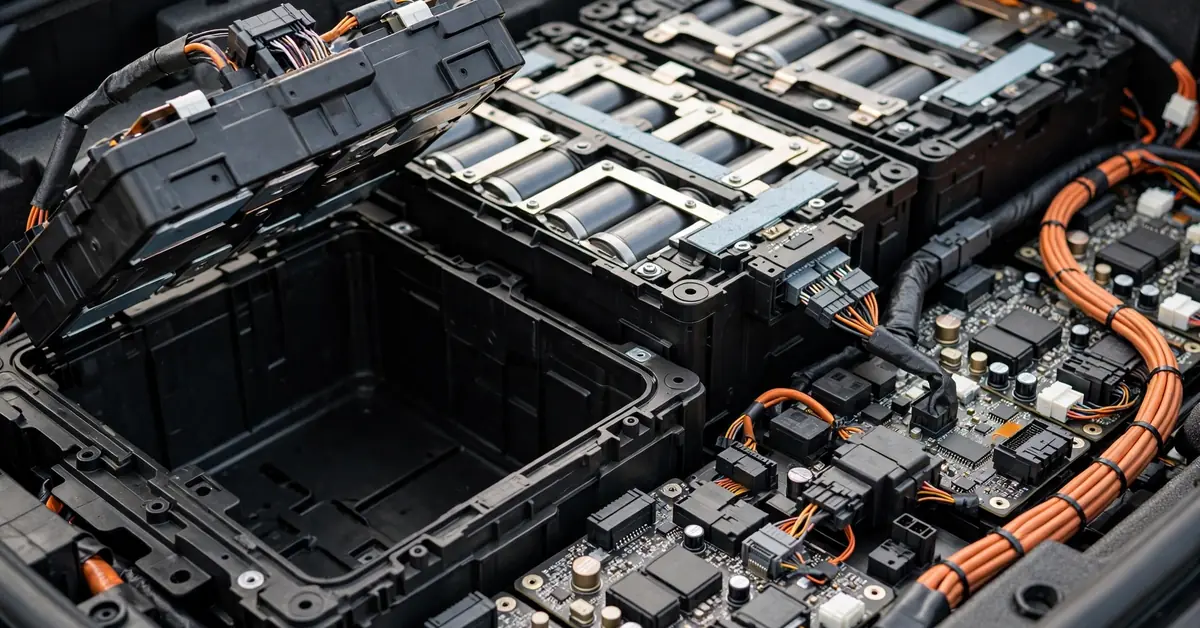
A BMS can often be repaired rather than fully replaced when the issue is a software bug, a loose connection, a single failed sensor, or a specific damaged component on the circuit board, but severe or widespread hardware damage may make full replacement more practical than repair. The right answer genuinely depends on what specifically failed.
When Repair Is the More Practical Option
Software or Firmware Issues
Bugs affecting SOC accuracy, communication glitches, or outdated algorithms can often be resolved with a firmware update or reflash, without touching any physical hardware at all.
Loose or Corroded Connections
Sometimes the underlying cause is as simple as a connector that’s worked loose or developed corrosion, an inexpensive and straightforward fix compared to component-level repair or replacement.
A Single Failed Sensor or Component
If diagnosis isolates the fault to one specific temperature sensor, voltage monitoring chip, or similar component, replacing just that part on the existing board is often more cost-effective than swapping the entire BMS unit.
DC-DC Converter or Power Supply Faults
Some BMS faults stem from a failed onboard power conversion component rather than the core control circuitry itself, and depending on design, that specific module might be replaceable independently.
When Full Replacement Becomes the More Sensible Choice
Widespread or Cascading Board Damage
If a fault, like a serious voltage spike or thermal event, has damaged multiple components across the board, targeted repair may not be cost-effective compared to replacing the entire unit.
Obsolete or Unavailable Components
Older BMS designs may use components that are no longer manufactured or readily available, making a full replacement more practical than sourcing hard-to-find parts for a repair.
Manufacturer Design Constraints
Some manufacturers design their BMS as a sealed, non-serviceable unit specifically to control quality and warranty scope, effectively making full replacement the only supported option regardless of what specifically failed.
How Architecture Affects Repair vs Replace Decisions
Modular BMS architectures, where the pack is divided into independently serviceable units, generally make targeted repair or replacement of just the affected module more feasible than in a centralized design, where the entire control board typically needs replacement even for a fault affecting only one small section.
Cost Considerations in the Decision
Component-level repair is often meaningfully cheaper than full replacement, but it requires accurate diagnosis and appropriate technical skill to execute safely on high-voltage-adjacent circuitry. A botched repair attempt can sometimes cause more expensive damage than the original fault, which is why professional assessment matters even when repair seems like the obvious cheaper choice on paper.
What This Decision Typically Depends On
| Factor | Favors Repair | Favors Replacement |
|---|---|---|
| Fault type | Software, connector, single component | Widespread board damage |
| Architecture | Modular, serviceable design | Sealed, non-serviceable unit |
| Component availability | Common, available parts | Obsolete or hard-to-find parts |
Conclusion
A BMS can often be repaired when the fault is isolated to software, a loose connection, or a single failed component, but widespread board damage, obsolete parts, or a sealed, non-serviceable design can make full replacement the more practical choice. Accurate diagnosis is the deciding factor either way, since the right approach genuinely depends on exactly what has failed.
FAQs
Is BMS repair generally cheaper than replacement?
Often yes, when the fault is isolated to a specific, repairable component, though this depends heavily on the specific failure and vehicle architecture.
Can I repair a BMS myself?
Given the proximity to high-voltage systems, professional repair is strongly recommended over DIY attempts on the actual BMS hardware.
Does every manufacturer allow BMS component-level repair?
No, some design their BMS as sealed units intended only for full replacement, regardless of what specifically failed.
