Hyundai Santa Fe PHEV Battery: Complete Guide
The Santa Fe plug-in hybrid runs a 13.8 kWh pack and charges far slower than the internet claims — 3.3 kW, about 3.5 hours. Both generations, honestly labelled.

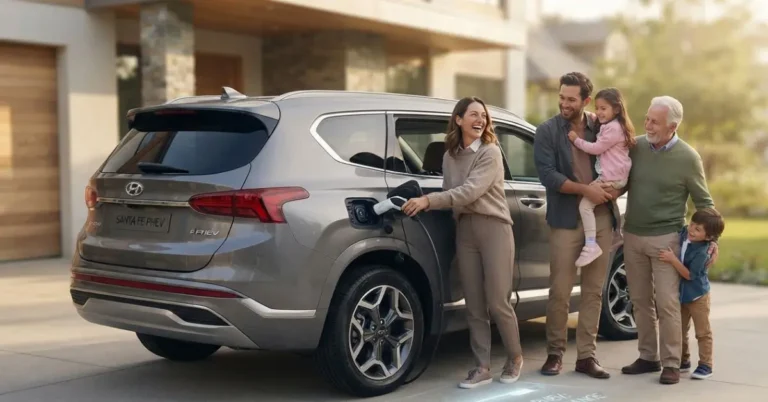
The Santa Fe plug-in hybrid runs a 13.8 kWh pack and charges far slower than the internet claims — 3.3 kW, about 3.5 hours. Both generations, honestly labelled.
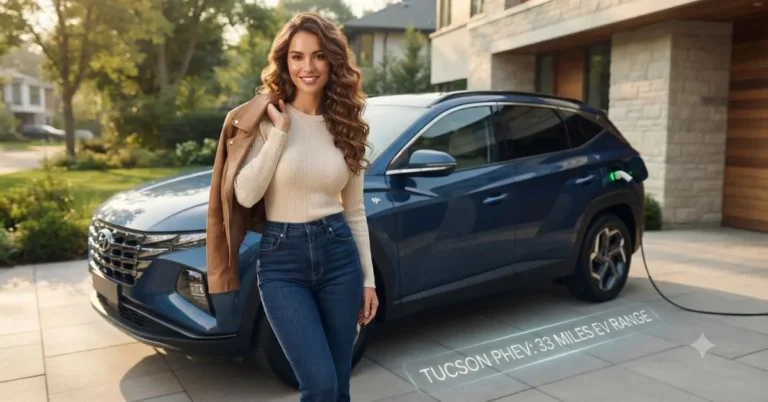
The Tucson PHEV’s famous 13.8 kWh is the gross figure. Its usable capacity, its range by model year, its real charging speed, and the transferable battery warranty, explained.
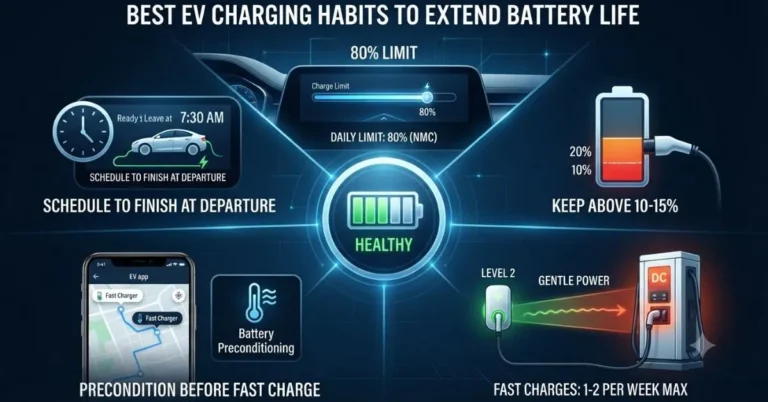
Most charging advice is a mix of two real habits, several half-truths and one made-up quota. Here is the habit list ranked by what fleet data and manufacturer manuals actually support — daily limits by brand, the fast-charging share that matters, and the storage rule almost nobody follows.
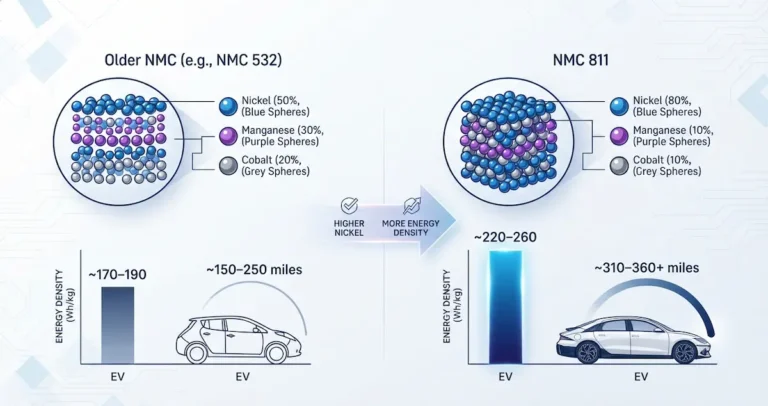
Why does NMC 811 have more range than older NMC? Higher nickel content stores more lithium per gram — delivering 30–40% better energy density vs NMC 532. Full explanation here.
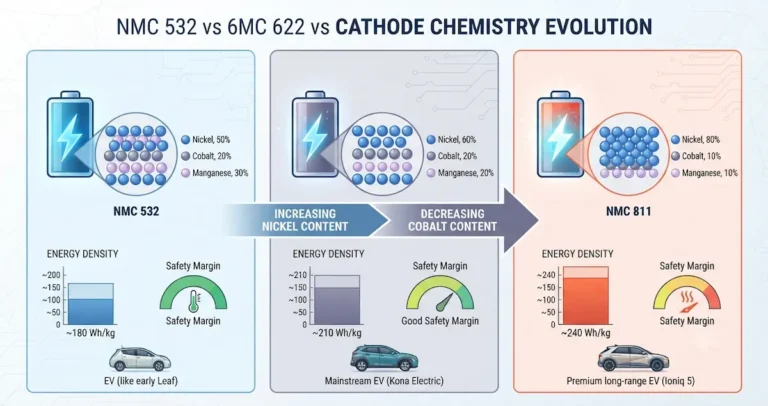
NMC 532 vs NMC 622 vs NMC 811 explained: learn the nickel-manganese-cobalt ratios, energy density differences, trade-offs, and which EVs use each NMC variant.
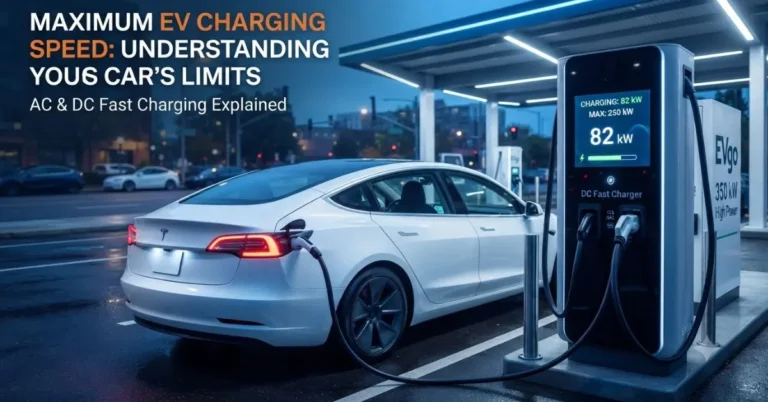
What is the maximum charging speed of my EV? It’s set by your car’s AC onboard charger (Level 2) and DC acceptance rate (fast charging) — not the charger’s power. Full table of popular 2026 EVs, why real-world speed is often lower, and how to find your EV’s exact specs.
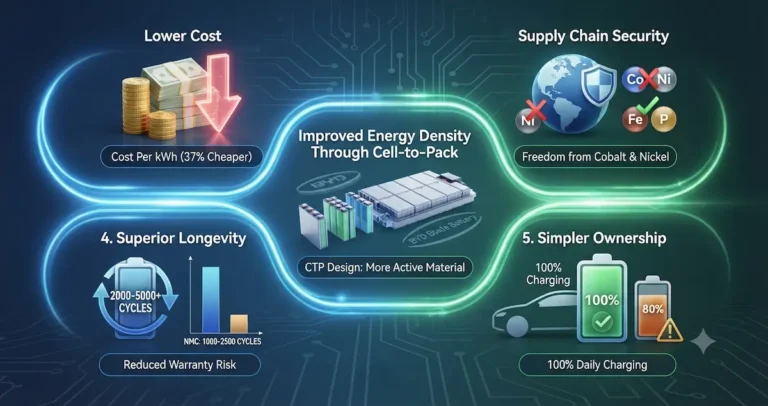
Why are so many new EVs switching to LFP batteries? Learn the 5 key reasons — cost, supply chain, CTP design, longevity, and simpler ownership — driving the global LFP shift.
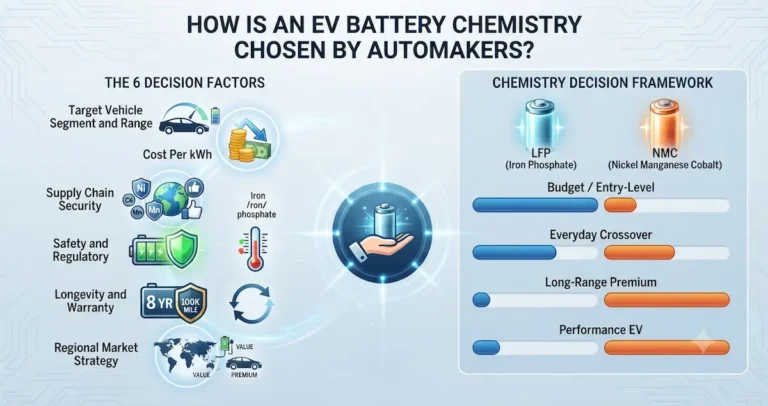
How do automakers choose EV battery chemistry? Learn the 6 key factors behind NMC, LFP, and NCA decisions — from cost and range targets to supply chain and regulations.
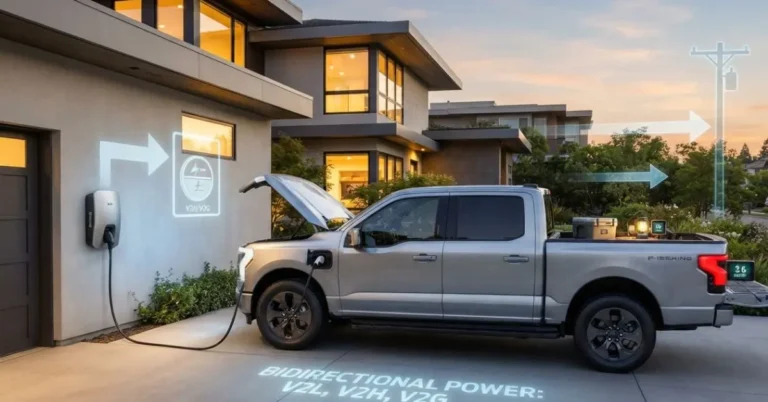
Which EVs support bidirectional charging in 2026? V2L: Hyundai Ioniq 5/6, Kia EV6/EV9, Ford F-150 Lightning (9.6 kW), Rivian, BYD, XPENG, Leapmotor. V2H: Ford Lightning, Renault 4/5, Nissan Leaf. V2G: Renault 4/5 E-Tech, Nissan Leaf (limited). Complete table with power outputs and notes.
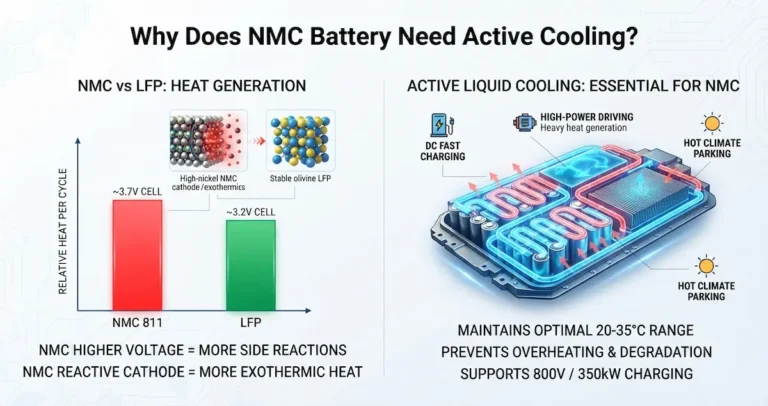
Why does NMC battery need active cooling? High-nickel chemistry generates more heat and has a lower thermal threshold than LFP. Learn how liquid cooling protects NMC EV batteries.
End of content
End of content