
Can You Drive an EV With a Faulty BMS?

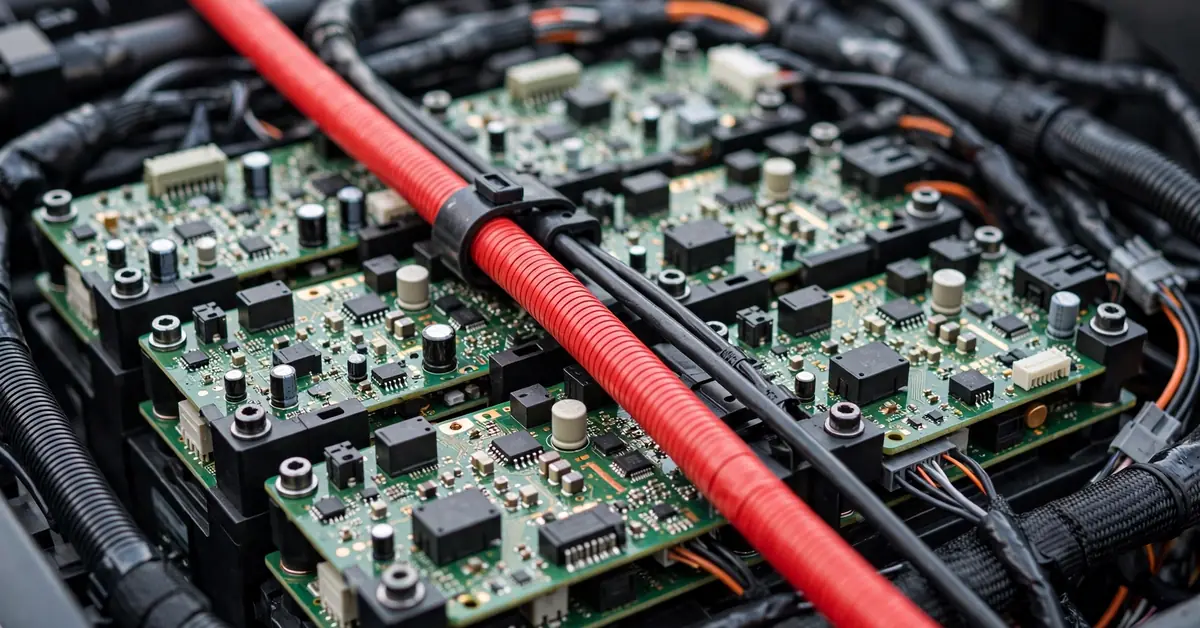
Whether you can drive an EV with a faulty BMS depends entirely on the fault’s severity: minor sensor glitches often still allow safe driving, while faults involving voltage sensing, contactor control, or isolation monitoring mean the very system meant to catch a dangerous condition may not be working correctly, making continued driving genuinely risky. When in doubt, the safer assumption is not to.
Why This Question Doesn’t Have a Single Universal Answer
“Faulty BMS” covers an enormous range of possible conditions, everything from a single inconsistent temperature sensor to a compromised ability to detect overcharge or short circuits. The right answer for one situation could be actively dangerous advice for another.
Situations Where Continued Driving Is Generally Lower Risk
Minor Communication Glitches
A one-time communication dropout between the BMS and another module, especially one that clears after a reset and doesn’t recur, is typically lower risk than a persistent fault affecting core protection functions.
Isolated, Non-Critical Sensor Issues
A single miscalibrated or drifting sensor that doesn’t affect the pack’s overall protective monitoring can sometimes allow continued, cautious driving while a service appointment is scheduled.
Situations Where Driving Should Stop
Isolation or Ground Fault Warnings
These indicate a potential electrical safety issue between the high-voltage system and the vehicle chassis, a genuine shock risk that warrants stopping and seeking service rather than continuing to drive.
Thermal Warnings
Given the connection between thermal events and serious safety risk, any warning tied to unexpected or unexplained heating should prompt stopping safely rather than continuing on the assumption it will resolve itself.
Any Warning Accompanied by a Smell, Smoke, or Sudden Performance Change
These are signs of a potentially active, developing problem rather than a benign sensor glitch, and warrant stopping immediately and seeking help.
Faults Affecting Voltage Monitoring or Contactor Control
If the fault itself compromises the BMS’s ability to detect overvoltage, undervoltage, or control the contactors properly, the entire protective function of the system is in question, meaning a genuinely dangerous condition might not be caught at all.
Why Manufacturers Often Design Fail-Safe Restrictions
Many EVs are designed to automatically restrict driving, entering reduced-power limp mode or blocking further operation entirely, when the BMS detects it can’t verify the pack’s safety with confidence. This is a deliberate safeguard, not a flaw, and it’s worth respecting rather than trying to override or bypass.
What to Do If You’re Unsure
If a warning appears and you’re uncertain about severity, the safest approach is to reduce driving to what’s necessary to reach a safe location, avoid hard acceleration or fast charging, and arrange professional diagnosis promptly rather than continuing normal use while hoping the issue resolves on its own.
| Fault Type | General Guidance |
|---|---|
| Minor communication glitch, cleared after reset | Often lower risk, monitor for recurrence |
| Isolated non-critical sensor issue | Cautious driving with prompt service scheduling |
| Isolation/ground fault warning | Stop and seek service promptly |
| Thermal warning, smell, or smoke | Stop safely immediately |
Conclusion
Whether you can drive an EV with a faulty BMS depends entirely on what specifically has failed. Minor, isolated glitches may allow continued cautious driving, but any fault touching voltage monitoring, contactor control, isolation, or thermal safety means the system meant to catch a genuine hazard may not be functioning properly, and the safer choice is to stop and seek professional diagnosis rather than continue driving on assumption alone.
FAQs
Will my EV let me keep driving if the BMS detects a serious fault?
Often no, many vehicles automatically restrict or block operation when the BMS can’t verify pack safety, as a deliberate fail-safe measure.
Is it ever okay to ignore a BMS warning light?
Generally not recommended, even minor warnings deserve investigation, though not all require stopping immediately.
How do I know if a BMS fault is serious?
Isolation faults, thermal warnings, and any noticeable performance change or unusual smell/smoke are signs to treat as serious and stop driving.
