
Ford Mustang Mach-E Battery Degradation Rate

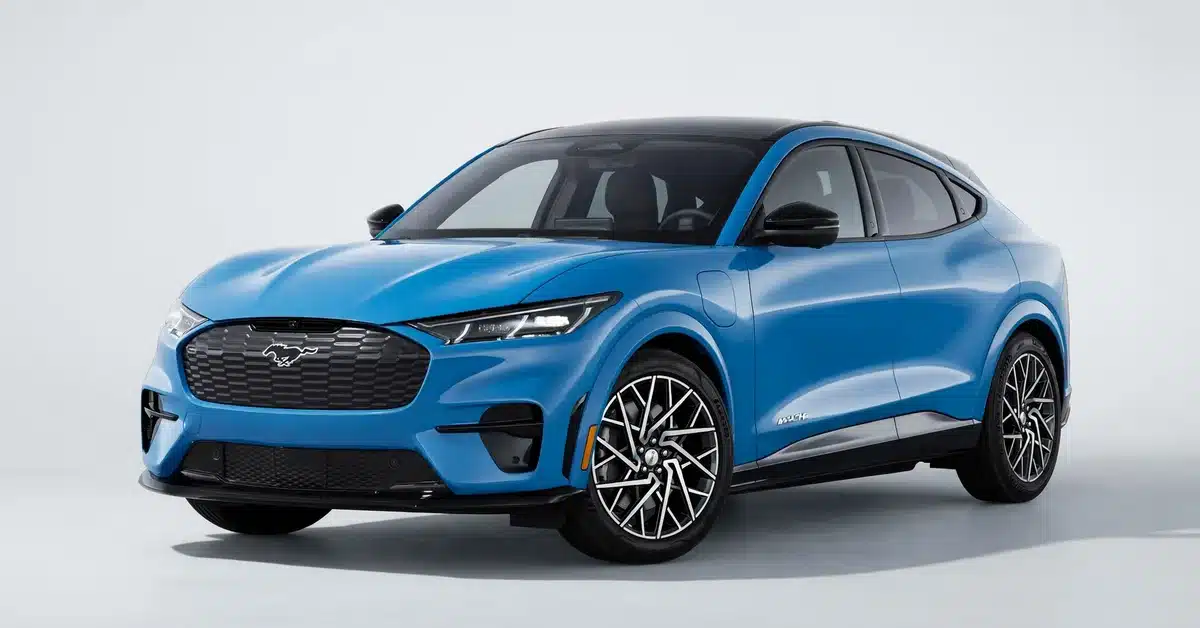
The Ford Mustang Mach-E uses a liquid-cooled NMC battery pack and has now accumulated several years of real-world ownership data across a wide range of climates and driving conditions. This guide covers the Mach-E’s actual degradation rate, known battery-related service issues, and what to watch for as an owner or used-car buyer.
Mach-E Battery Overview
The Mach-E is offered with Standard Range (around 70 kWh usable) and Extended Range (around 91 kWh usable) battery pack options, both using liquid-cooled NMC cells sourced primarily from LG Energy Solution. All variants use active thermal management, putting the Mach-E in the same general cooling category as most current-generation mainstream EVs.
Real-World Degradation Rate
Fleet and owner-reported data on the Mach-E generally shows annual degradation in the 2.0–2.5% range — slightly higher than some liquid-cooled competitors like Tesla or Hyundai, but still well within the range considered normal for a modern NMC pack. At the 80,000–100,000 mile mark, most Mach-E owners report capacity retention in the 78–82% range, putting it at the middle-to-slightly-below-average end of the current EV market for long-term retention.
Known Battery-Related Issues
Ford issued a software-related recall affecting certain Mach-E model years due to a high-voltage battery main contactor issue that could, in rare cases, cause unexpected loss of drive power — addressed via an over-the-air and dealer-applied software update rather than physical battery replacement. This was a software/electrical fault rather than a cell-chemistry degradation issue, but it’s worth confirming as resolved when buying a used Mach-E from an affected model year, since the underlying issue relates to the high-voltage battery system’s contactor control rather than gradual capacity loss.
Mach-E Battery Warranty
Ford covers the Mach-E battery under an 8-year / 100,000-mile warranty against capacity dropping below 70% of original rating — matching the U.S. federal minimum rather than exceeding it, which places Ford’s coverage on the more standard end of the industry compared to brands like Hyundai/Kia offering 10-year terms. For a full brand-by-brand comparison, see Best EV Battery Warranties Compared.
Factors That Affect Mach-E Degradation Specifically
- Fast charging frequency: Like most NMC-equipped EVs, Mach-E owners relying heavily on DC fast charging show faster degradation than those primarily using Level 2 home charging
- Climate: Hot-climate Mach-E owners report somewhat faster degradation than mild-climate owners, consistent with the general pattern for liquid-cooled NMC packs, though the effect is far less pronounced than on air-cooled designs
- Charge limit habits: Owners who consistently charge to 100% daily rather than using Ford’s recommended 80% daily charge limit setting report somewhat faster capacity loss over time
Buying a Used Mustang Mach-E: What to Check
- Confirm the high-voltage contactor software recall has been completed for applicable model years
- Request a current SOH reading rather than relying on the dashboard range estimate alone — see how to check your EV battery health
- Ask about charging habits — heavy historical reliance on DC fast charging is a meaningful risk factor worth factoring into price negotiation
- Check remaining warranty term against the 8-year/100,000-mile coverage window
Conclusion
The Ford Mustang Mach-E’s battery degrades at a rate broadly consistent with other liquid-cooled NMC EVs, running slightly on the higher side of that range at roughly 2–2.5% annually. The vehicle’s known battery-related issue was a software/contactor recall rather than a chemistry defect, and it’s resolved via update rather than physical replacement. Ford’s 8-year/100,000-mile warranty matches the federal minimum rather than exceeding it, making documented charging history and current SOH especially useful checks for any used Mach-E purchase.
