
How Does BMS Balance Temperature Across All Cells?

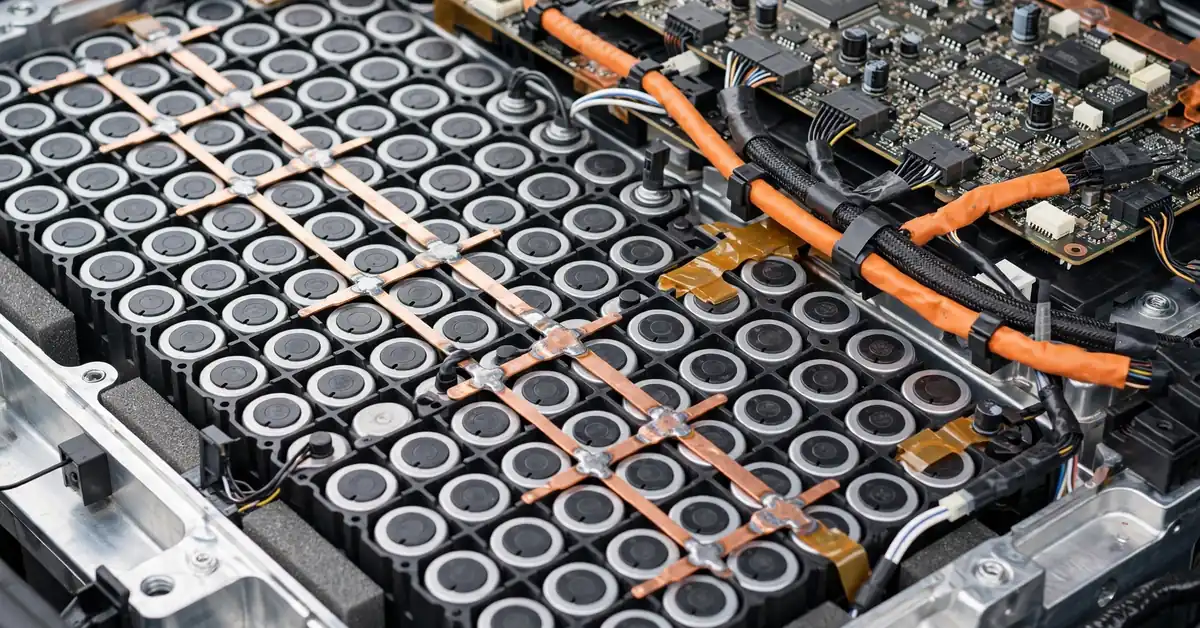
A BMS balances temperature across all cells by using distributed sensors to detect gradients between different parts of the pack, then adjusting coolant flow, valve positions, and cooling intensity to targeted areas rather than treating the entire pack as one uniform zone. The goal isn’t just an acceptable average temperature — it’s keeping every cell within a tight range of every other cell.
Why Temperature Uniformity Matters as Much as Absolute Temperature
A pack can show a perfectly reasonable average temperature while hiding a meaningful gradient, some cells notably warmer than others, depending on their position relative to cooling channels, structural components, or heat-generating parts of the vehicle. Cells running hotter than their neighbors age faster, which over time contributes directly to cell imbalance and reduced usable capacity.
How the BMS Detects Temperature Gradients
Rather than relying on a single central sensor, well-designed BMS platforms use thermistors distributed at multiple points across modules and between cells. By comparing readings across these distributed points rather than looking only at an overall average, the system can identify a localized hot or cold spot that a single sensor would miss entirely.
How the BMS Responds to an Uneven Temperature Distribution
Adjusting Coolant Flow Paths
In liquid-cooled architectures, the BMS can work with valves and pump control to direct more coolant flow toward warmer sections of the pack, evening out the distribution rather than applying uniform cooling everywhere regardless of need.
Targeting Specific Modules
Some more advanced thermal architectures allow finer-grained control, adjusting cooling intensity to specific modules independently rather than treating the whole pack as a single cooling zone.
Cross-Referencing With Cell Balancing
Since temperature differences contribute to cell-to-cell aging differences, and aging differences contribute to voltage imbalance, some BMS designs factor temperature history into their cell balancing calculations, addressing the electrical symptom and thermal cause together rather than in isolation.
Design Choices That Help Achieve Better Uniformity
Pack and cooling system design plays a significant role alongside BMS software. Cold plates positioned to distribute coolant evenly, careful placement of cells relative to heat sources, and coolant channel geometry all influence how much of a temperature gradient exists in the first place, before the BMS even needs to intervene. Some liquid cooling systems are specifically engineered to hold cell-to-cell temperature differences within a tight target, sometimes cited around 5°C or less in well-designed packs.
Why This Effort Pays Off Over the Battery’s Lifetime
Reducing temperature gradients doesn’t just improve short-term performance consistency, it directly slows the divergence in aging rates between cells that eventually shows up as cell imbalance and reduced usable capacity. A pack that ages more uniformly retains more of its real-world range over the years than one where a handful of consistently hotter cells degrade noticeably faster than the rest.
| Approach | How It Improves Uniformity |
|---|---|
| Distributed temperature sensors | Detects gradients a single sensor would miss |
| Adjustable coolant flow/valves | Directs more cooling to warmer sections |
| Module-level cooling control | Finer-grained response than whole-pack cooling |
| Pack/cooling system design | Reduces gradients before they even develop |
Conclusion
A BMS balances temperature across all cells by monitoring distributed sensor data for gradients, not just an overall average, and adjusting cooling flow to target warmer sections specifically. This uniformity effort matters over the long run, since cells that consistently run hotter than their neighbors age faster, directly contributing to the cell imbalance and capacity loss that shorten a pack’s useful life.
FAQs
Can a BMS fully eliminate temperature differences across a pack?
Not completely, but well-designed systems keep cell-to-cell differences within a tight target range, often around a few degrees Celsius.
Does temperature uniformity affect charging speed?
Indirectly, since a pack with a large temperature spread may need to limit charging based on its hottest cell, even if most cells could handle more.
Is temperature uniformity more important than average temperature?
Both matter — average temperature affects overall performance and safety, while uniformity affects how evenly the pack ages over time.
