
Which EV Battery Chemistry Uses the Least Cobalt?

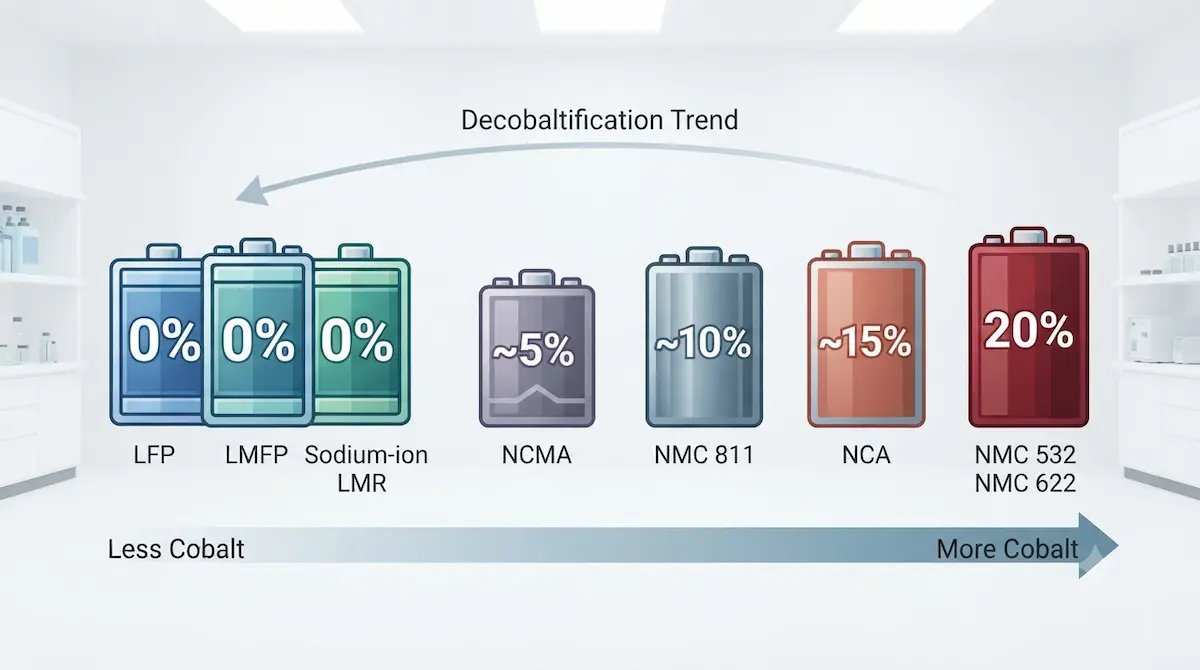
Cobalt is the battery metal everyone wants out — so which chemistry already uses the least of it? The short answer is below; the full ranking, with the numbers behind it, follows.
Several EV chemistries use no cobalt at all: LFP, sodium-ion, LMO and LMFP all have zero cobalt in the cathode. Of the chemistries that do use cobalt, the leanest is NMC 955 at 0.04 kg per kWh — one-eighth of the 0.32 kg/kWh in old NMC 111. In a 75 kWh pack, that is the difference between roughly 24 kg of cobalt and none.
- Zero cobalt: LFP · sodium-ion · LMO · LMFP · (LMR by design)
- Least with cobalt: NMC 955 (0.04 kg/kWh), then NMC 811 (0.08)
- Most: NMC 111 (0.32 kg/kWh) — a chemistry the industry has left behind
The ranking: cobalt content by chemistry
Measured in kilograms of cobalt per kilowatt-hour — the unit Argonne’s GREET model uses — the ranking runs from a clean zero to 0.32 kg/kWh, and the order holds a surprise: NCA is not the worst offender.
| Chemistry | Cobalt (kg per kWh) | In a 75 kWh pack* |
|---|---|---|
| LFP | 0 | 0 kg |
| Sodium-ion | 0 | 0 kg |
| LMO (legacy) | 0 | 0 kg |
| LMFP | 0 | 0 kg |
| LMR | ~0 by design | ~0 kg |
| NMC 955 | 0.04 | ~3 kg |
| NMC 811 | 0.08 | ~6 kg |
| NCA | 0.13 | ~9.8 kg |
| NMC 622 | 0.17 | ~12.8 kg |
| NMC 532 | 0.18 | ~13.5 kg |
| NMC 111 | 0.32 | ~24 kg |
*Pack figures are simple arithmetic — the per-kWh intensity multiplied by 75 — shown so the scale is graspable. Intensities: ICCT battery-materials outlook, built on Argonne National Laboratory’s GREET model. LMFP’s zero is by formula (LiMnFePO₄ contains no cobalt); LMR’s row reflects LG’s published position that its LMR uses manganese “without using cobalt”, with Argonne noting some research LMR formulations carry low cobalt (0–10%).
Read the table as a history of the industry’s escape route. NMC 111 — equal thirds of nickel, manganese and cobalt — was the default EV cathode of the early era, and it is a cobalt hog. Each NMC generation since has traded cobalt for nickel: 532, 622, 811, and now 955, which is 90% nickel and a whisper of cobalt. Running in parallel, the iron-based chemistries simply deleted cobalt from the recipe. Our LFP chemistry explainer covers the chemistry that now powers the world’s entry-level EVs.
Why is cobalt in EV batteries at all?
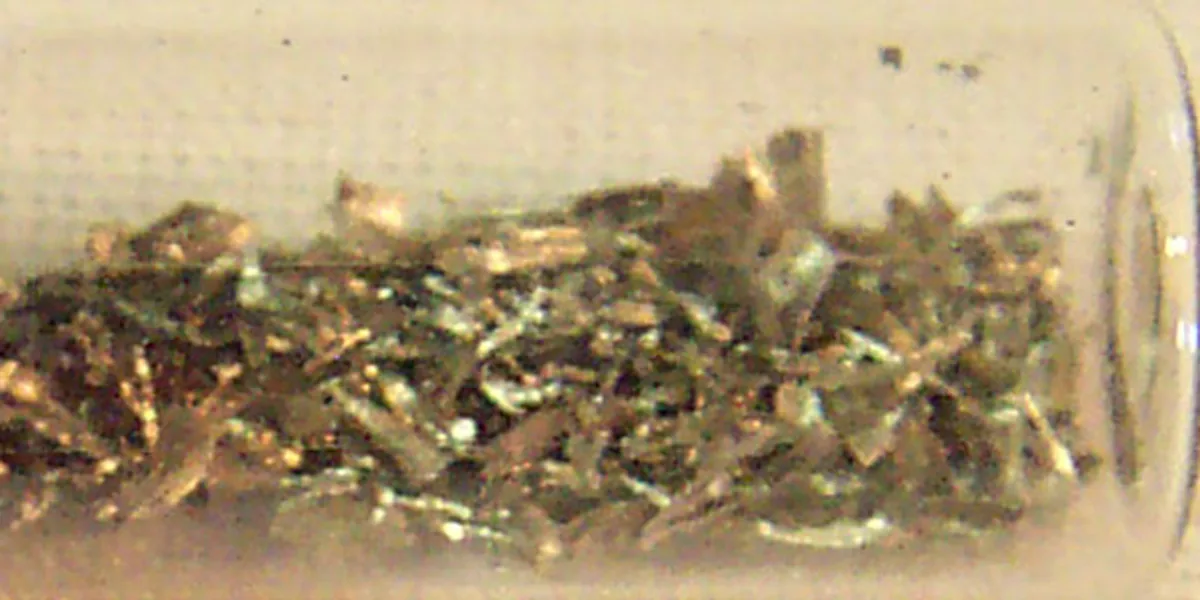
Because in a layered-oxide cathode, cobalt is the stabiliser — it holds the structure together as lithium moves in and out, which is why the first successful lithium-ion chemistry was built on it.
Cobalt earns its place honestly. In NMC and NCA cathodes it suppresses the mixing of nickel and lithium that degrades the structure, supports cycle life, and helps the cathode release its lithium smoothly. The problem was never that cobalt does nothing; it is that it does it at a price — financial, geological and human — that the rest of this page tallies. The engineering story of the last decade is chemists finding other ways to buy the same stability: more nickel with aluminium’s help (NCA and NCMA), manganese-rich structures, or leaving the layered family entirely for iron phosphate.
Why the industry is running away from cobalt
Three reasons, in order of how boardrooms rank them: supply concentration, price shocks, and the conditions in the mines.
Start with geography. The US Geological Survey’s current figures give the Democratic Republic of Congo an estimated 73% of world mined cobalt, with Indonesia next at 14% — and China is the world’s leading refiner of what the Congo digs up. No other battery metal concentrates so much supply in so few hands. When the DRC restricted cobalt exports, the IEA records cobalt prices rising by around 130% in little over a year — a demonstration, in real time, of what that concentration means for anyone building millions of batteries.
Then the mines themselves. A share of Congolese cobalt comes from artisanal and small-scale mining, where child labour has been documented by international monitors — the reason carmakers now audit their chains. Tesla’s own impact reporting, for example, states that external audits of its cobalt supply chain in the DRC have not identified child labour or sourcing from artisanal sites; the need to make that statement at all is the point. And none of this is going away: the IEA expects cobalt demand to keep growing, by close to 40% by 2035, led by EVs. Using less of it per battery is how the industry squares that circle.

What “cobalt-free” actually means
It means the cathode’s recipe contains no cobalt — nothing more, and nothing less. It is a statement about chemistry, not about mining in general.
When a chemistry is called cobalt-free — LFP, sodium-ion, LMFP — the claim is exact: the cathode compound (LiFePO₄, LiMnFePO₄) has no cobalt atom in it, and no other part of the cell uses cobalt either. Low-cobalt is a different, slipperier claim. NMC 955’s 0.04 kg/kWh is genuinely little, but a 75 kWh pack still carries about 3 kg of the stuff. And one chemistry needs an asterisk: LMR is designed to be cobalt-free — LG describes its version as using manganese “without using cobalt” — while Argonne notes some research LMR formulations carry low cobalt percentages. The production designs aim at zero; the honest label today is “cobalt-free by design, near-zero in early forms.”
The other boundary worth knowing: cobalt-free says nothing about lithium, nickel or graphite, which have their own supply questions. A sodium-ion battery goes further than any lithium chemistry here — no cobalt, no lithium, no nickel in its common forms — which is why it keeps appearing in this ranking despite still being new to cars.
Which cars use the least-cobalt chemistries?
The cobalt-free chemistries are no longer the budget fringe — LFP alone took about 41% of global cathode production and roughly 40% of EV sales in the figures the ICCT and IEA publish.
The pattern across showrooms is consistent: standard-range and entry models run LFP (the versions whose makers tell you to charge to 100% regularly — the tell-tale sign of an LFP pack), while long-range and performance versions keep nickel chemistries, increasingly in their low-cobalt 811 and 955 forms. If minimising cobalt matters to you as a buyer, the practical checklist is short: choose the LFP version of the model if one exists, and if you need the long-range car, prefer the newest model year — the same nameplate’s cathode has usually shed cobalt with each refresh. Our LFP vs NMC comparison walks through what that choice costs and buys in range, life and cold-weather behaviour.
Frequently asked questions
Which EV battery chemistry uses the least cobalt?
Several tie at zero: LFP, sodium-ion, LMO and LMFP contain no cobalt at all. Among chemistries that use cobalt, NMC 955 uses the least at 0.04 kg per kWh (ICCT figures, from Argonne’s GREET model).
How much cobalt is in a Tesla battery?
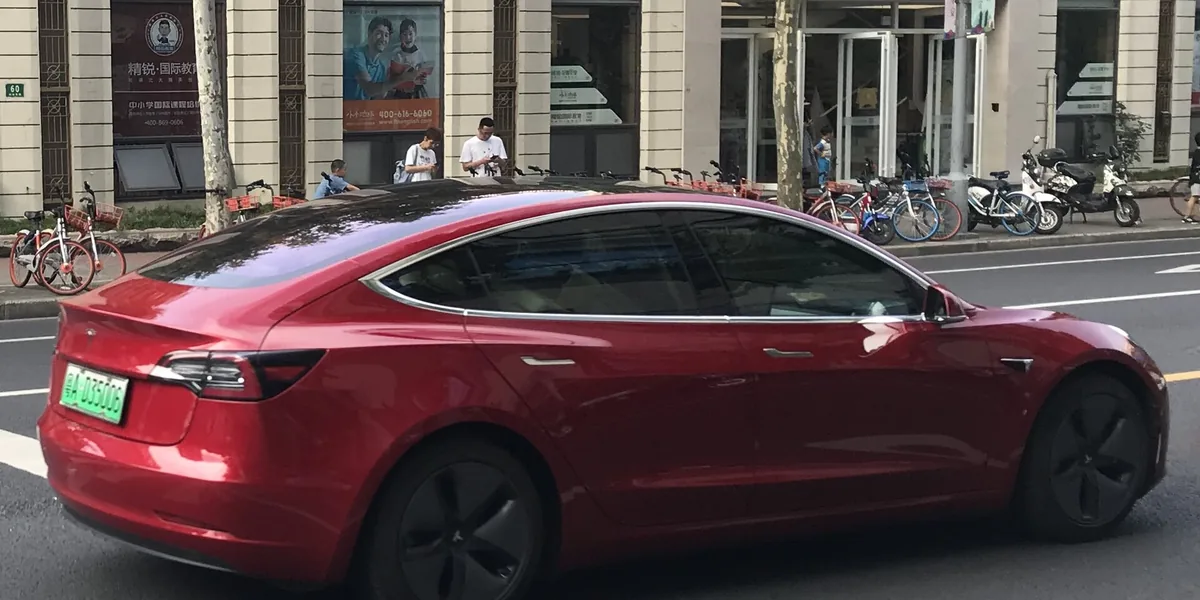
It depends entirely on which chemistry is inside. Tesla’s nickel-based packs sit in the NCA class of this table — about 0.13 kg of cobalt per kWh, so roughly 10 kg in a 75 kWh pack by simple multiplication — while its LFP packs contain none. Tesla does not publish a per-model cobalt figure, so treat any exact number you see elsewhere with suspicion.
Is a cobalt-free battery better?
For cost, supply security and mining ethics, yes — those are the reasons the industry is moving. The trade is energy density: cobalt-free LFP stores less energy per kilogram than nickel chemistries, which is why long-range models still use them. Cobalt content is one axis of a battery, not a verdict on it.
How much cobalt is in an average EV battery?
There is no single average — it spans 0 kg (LFP) to about 24 kg (an old NMC 111 pack) at 75 kWh. A modern high-nickel pack (NMC 811) works out near 6 kg, and the fleet average falls every year as LFP’s share grows and nickel chemistries shed cobalt.
Will EV batteries ever be completely cobalt-free?
Mostly, plausibly — the direction is unmistakable (zero-cobalt chemistries already hold ~40% of the market, and the nickel family’s cobalt share keeps shrinking toward NMC 955’s trace). A rump of cobalt in premium long-range cells may persist while it still buys stability nothing else matches — but as a rounding error, not a pillar.
Conclusion
The answer to this page’s question is a tie — and the tie is the story. A decade ago “least cobalt” meant picking the least-bad nickel chemistry; today four chemistries use none at all, the leanest nickel cathode uses an eighth of the cobalt of its ancestor, and the world’s cobalt map (73% from one country) explains why nobody is going back. If you are choosing a car, the chemistry badge now tells you its cobalt content almost exactly: iron and sodium mean zero, and the newest nickel formulas mean very little.
Quick view: Zero cobalt — LFP, sodium-ion, LMO, LMFP (and LMR by design). Least with cobalt — NMC 955 at 0.04 kg/kWh. Most — NMC 111 at 0.32 kg/kWh, about 24 kg in a 75 kWh pack. Figures: ICCT, from Argonne’s GREET model; DRC share 73% per USGS.
