
Why Does BMS SOC Show Wrong Percentage Sometimes?

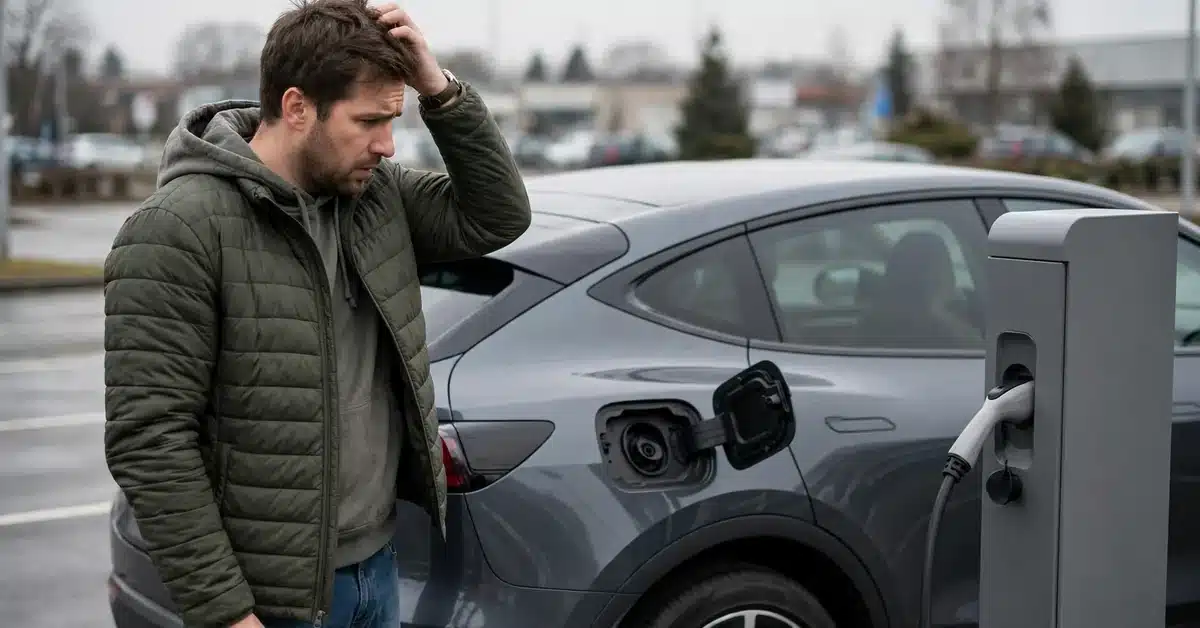
BMS SOC shows the wrong percentage sometimes because of accumulated estimation drift, cold or hot temperatures affecting voltage readings, or infrequent full charges denying the system a reliable recalibration point. In most cases, it’s a reporting issue, not a sign your battery is actually failing.
The Percentage Is an Estimate, Not a Direct Reading
There’s no gauge that measures energy in a battery the way a float measures fuel in a tank. Every percentage shown on your dashboard is calculated from voltage, current, and temperature data, run through an estimation algorithm. When the inputs to that calculation are slightly off, the displayed number can be too.
Common Patterns Drivers Actually Notice
The Percentage Drops Faster Than Expected
This often happens under heavy load, hard acceleration, towing, or extreme temperatures, when voltage sags more under current draw than the algorithm’s normal model expects, temporarily throwing off the estimate.
The Percentage Jumps Suddenly
A sudden jump, up or down, is frequently the BMS recalibrating against a fresh reference point, like a rest period or a completed charge, correcting drift that built up gradually and wasn’t visible until that correction happened.
The Percentage Seems Stuck
Less commonly, a communication glitch between the BMS and the dashboard display can cause a stale reading to linger briefly before updating.
Why Cold Weather Makes This Worse
Cold temperatures change how a battery’s voltage relates to its actual charge level. If the BMS’s model isn’t perfectly calibrated for the exact temperature you’re driving in, the SOC estimate can be less accurate than usual, sometimes showing a lower percentage than the true remaining energy, sometimes higher.
Why Charging Habits Play a Role
Many SOC correction methods rely on reaching a known reference point, often a full charge, to reset accumulated estimation drift. Drivers who consistently charge to 80% and rarely go higher can unintentionally deny the BMS its best opportunity to recalibrate, letting small errors build up over many charge cycles without ever being corrected.
When It’s Genuinely a BMS Issue vs a Battery Issue
A wrong percentage that self-corrects after a rest period or a full charge points toward normal estimation behavior, not a failing battery. Signs that suggest something more serious include a persistent, large gap between the displayed percentage and actual range delivered, unexpected shutdowns well before 0%, or dashboard warning lights alongside the odd readings.
What You Can Do About It
- Occasionally charge to 100% rather than always stopping at 80%, giving the BMS a reliable calibration point
- Avoid drawing conclusions from a single reading taken right after hard acceleration or extreme temperatures
- Keep vehicle software updated, since manufacturers periodically improve SOC estimation algorithms
- If the issue is severe or persistent, have a dealer check for BMS fault codes rather than assuming it’s normal drift
| What You See | Likely Cause |
|---|---|
| Percentage drops fast under hard acceleration | Temporary voltage sag under load |
| Sudden jump after parking or charging | Normal recalibration against a reference point |
| Inconsistent readings in cold weather | Temperature affecting the voltage-to-SOC model |
| Persistent large gap vs actual range | Possible genuine BMS or battery issue — get it checked |
Conclusion
BMS SOC shows the wrong percentage sometimes mostly because it’s an estimate built from voltage, current, and temperature, not a direct measurement, and that estimate can drift or shift under load, cold weather, or infrequent full charges. Most of these instances are normal system behavior that self-corrects. Persistent, large discrepancies paired with warning lights are the signal worth getting checked professionally.
FAQs
Should I be worried if my EV’s percentage jumps by a few points?
Generally no — small jumps, especially after charging or a rest period, are usually just normal recalibration.
Does charging to 100% every day help accuracy?
Occasional full charges help recalibration, though daily 100% charging isn’t necessary and may not suit every battery chemistry’s long-term health goals.
When should I get my EV’s BMS checked by a professional?
If the wrong percentage is large, persistent, paired with warning lights, or comes with unexpected shutdowns well above 0%.
