
Toyota C-HR+ Battery: Size, Range & Charging


The Toyota C-HR+ battery comes in three sizes — 57.7 kWh (54 kWh usable) and 77 kWh (72 kWh usable) in Europe, plus a 74.7 kWh pack (about 71 kWh usable) in the U.S. version — all NMC on Toyota’s e-TNGA platform, the same architecture underpinning the Subaru Solterra.
The 77 kWh Long Range delivers 376–378 miles WLTP in Europe; the U.S. version (called simply “C-HR”) uses a 74.7 kWh pack with 287–290 miles EPA and standard dual-motor AWD.
DC fast charging peaks at 150 kW, completing 10–80% in approximately 30 minutes. Toyota’s industry-leading 10-year / 100,000-mile battery warranty applies — provided the car is serviced annually at a Toyota dealer.
Toyota C-HR+ Battery: Europe vs U.S. Variants
| Specification | C-HR+ Icon (57.7 kWh, EU) | C-HR+ Design/Excel (77 kWh, EU) | C-HR SE/XSE (74.7 kWh, US) |
|---|---|---|---|
| Battery (gross) | 57.7 kWh NMC | 77 kWh NMC | 74.7 kWh NMC |
| Battery (usable) | ~54 kWh | ~72 kWh | ~71 kWh |
| Drivetrain | FWD | FWD (or AWD in some markets) | AWD (standard) |
| Motor power | 123 kW (165 hp) | 165 kW (221 hp) / 253 kW AWD | 252 kW (338 hp) AWD |
| 0–62 mph | 8.4 sec | 7.3 sec (FWD) / 5.2 sec (AWD) | 4.9 sec |
| Range (WLTP / EPA) | 283 miles | 376–378 miles (18″ wheels) | 287–290 miles (EPA) |
| DC peak rate | 150 kW | 150 kW | 150 kW |
| 10–80% DC time | ~30 min | ~30 min | ~30 min |
| AC charger | 11 kW | 22 kW | 11 kW |
| Charging port (US) | — | — | NACS (native) |
| Starting price | ~£34,495 (UK, after grant) | ~£37,650–£41,650 | $37,000 |
A New Toyota EV: Not Related to the Old C-HR
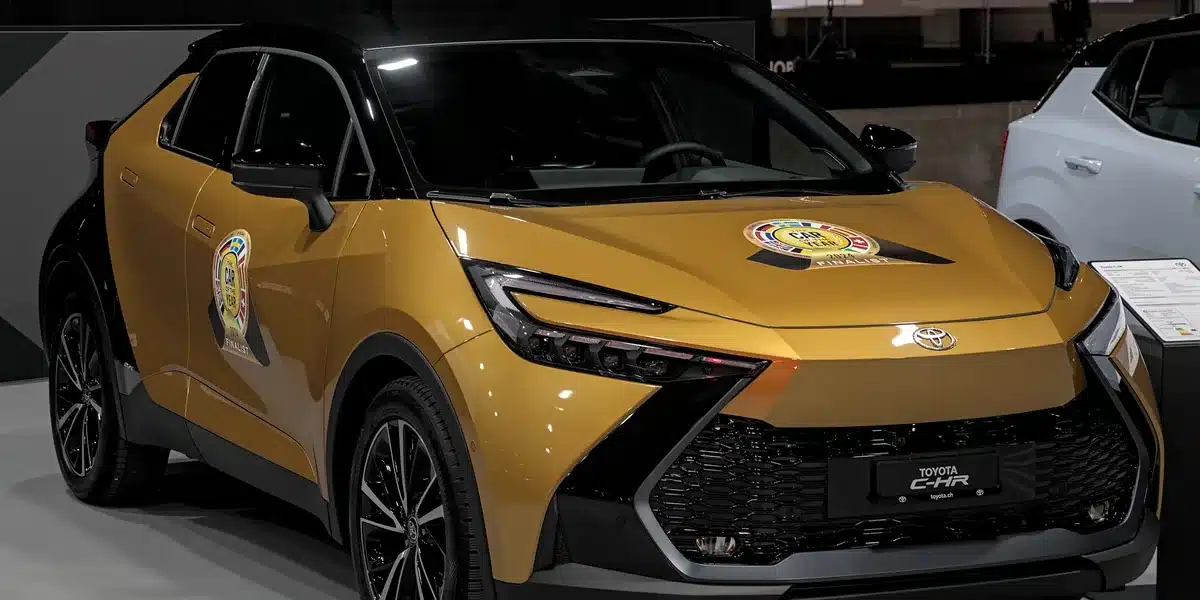
The C-HR+ is an entirely new vehicle — not a battery version of the existing hybrid C-HR. Toyota abandoned its “bZ” naming strategy globally (except China) in 2025. Existing nameplates like C-HR and Corolla now replace the bZ designations.
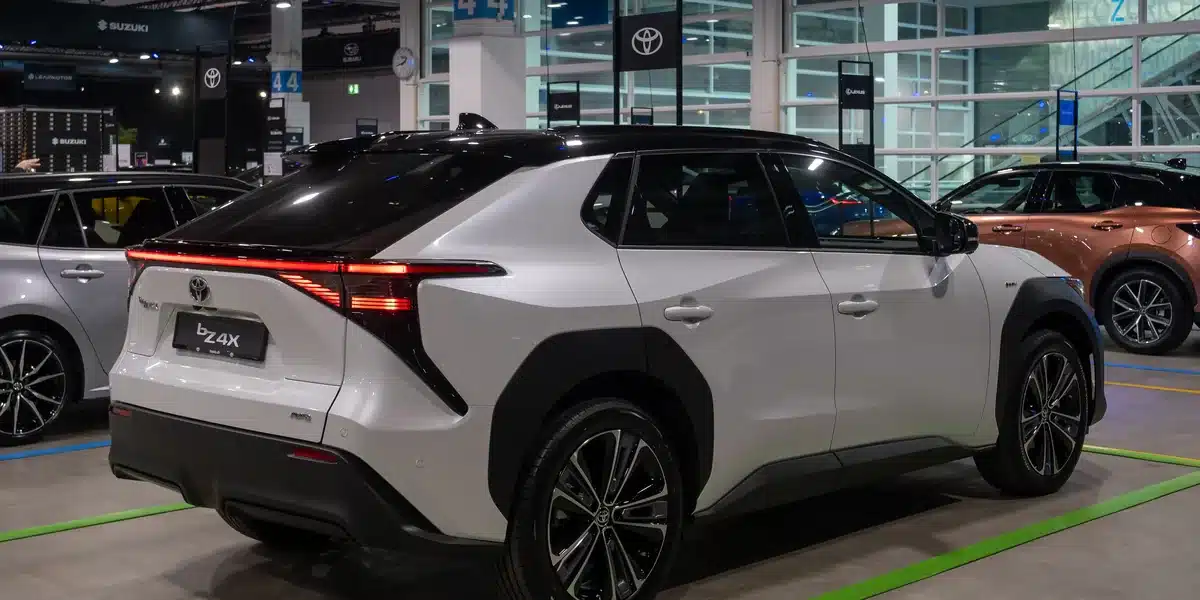
The C-HR+ is built on the same e-TNGA platform as the bZ4X and Subaru Solterra — but with significant engineering improvements over those older vehicles. Subaru sells an identical vehicle in the U.S. as the Subaru Uncharted.
The C-HR+ launched in Europe in October 2025 and the U.S. in March 2026. The European C-HR+ is available FWD-only in the UK (no AWD offered). The U.S. C-HR (74.7 kWh) is AWD standard — one unified drivetrain with 338 hp. Both markets get 150 kW DC charging, battery preconditioning, and Plug & Charge capability across all trims.
Toyota’s other electric SUV is the bZ4X, and our Toyota bZ4X battery guide gives it the same treatment — pack sizes, range and charging speeds.
The 22 kW AC Advantage (Europe, 77 kWh Only)
The 77 kWh European C-HR+ models come standard with a 22 kW onboard AC charger — significantly faster than the standard 11 kW on the smaller battery and most rivals. At a 22 kW three-phase charger, the 72 kWh pack fills in approximately 4 hours. This mirrors the Renault Mégane E-Tech and Scenic’s AC charging advantage. The U.S. C-HR retains an 11 kW AC charger — appropriate for NACS-infrastructure charging patterns.
C-HR+ Charging Speeds
| Method | Power | 57.7 kWh Icon | 77 kWh Long Range | 74.7 kWh (US) |
|---|---|---|---|---|
| Level 2 (7 kW) | 7 kW | ~9 hours full | ~12 hours full | ~12 hours full |
| Level 2 (11 / 22 kW) | 11 / 22 kW | ~5.5 hrs (11 kW) | ~4 hrs (22 kW) | ~7.5 hrs (11 kW) |
| DC Fast (150 kW) | 150 kW | ~30 min (10–80%) | ~30 min (10–80%) | ~30 min (10–80%) |
Real-World Range: What Testing Shows
- 77 kWh (EU), sunny country roads test: 5.6 miles/kWh per What Car? — exceptional efficiency for a compact electric SUV
- 77 kWh (EU), 18-inch wheels: 376-mile WLTP official; real-world approximately 300–330 miles in mixed conditions
- 77 kWh (EU), 20-inch wheels: WLTP drops to 347 miles — a meaningful 29-mile penalty for larger wheel choice
- 74.7 kWh (U.S.), EPA estimate: 287–290 miles; real-world approximately 240–265 miles at highway speeds given AWD dual-motor load
Battery Preconditioning and Plug & Charge
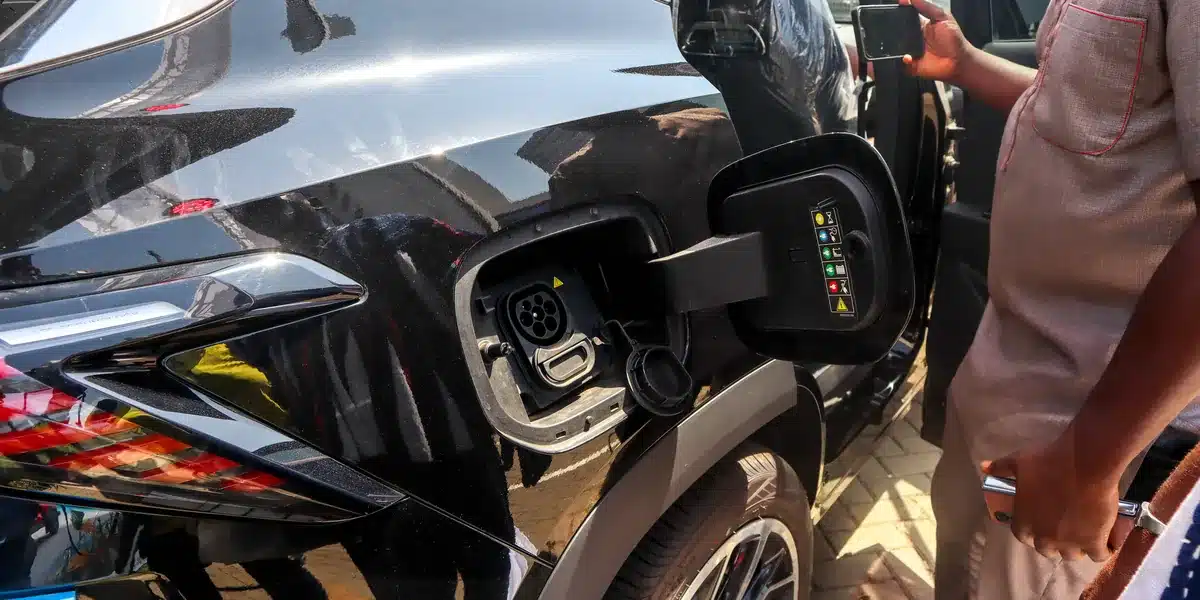
The C-HR+ includes battery preconditioning standard on all trims — activating automatically when routing to a DC fast charger via navigation. This ensures the battery reaches optimal temperature before arriving at a charging station.
Plug & Charge (ISO 15118) is also standard — automatic identification and billing at compatible stations without a card or app. Both features are included as part of Toyota’s Drive Connect subscription (3-year trial included with new vehicle purchase).
Toyota’s 10-Year Battery Warranty: Industry-Leading Coverage
At 10 years / 100,000 miles, it is one of the longest battery warranties of any mainstream EV brand — the Kia EV4 matches it. The critical condition: the vehicle must be serviced annually at an authorized Toyota dealer.
Missing a service appointment could void this extended coverage. The standard 3-year vehicle warranty is shorter than Kia’s 7 years — but the 10-year battery coverage significantly outweighs this for long-term ownership confidence.
Read more: a warranty is a promise, not a lifespan — this guide covers how long EV batteries actually last in real use.
C-HR+ vs Competitors: European Compact EV SUV Comparison
| Model | Battery (Usable) | WLTP Range | DC Rate | Battery Warranty | Starting Price |
|---|---|---|---|---|---|
| Toyota C-HR+ (77 kWh EU) | 72 kWh NMC | 376 miles | 150 kW | 10 yr / 100k mi* | ~£37,650 |
| Renault Scenic E-Tech | 87 kWh NMC | 381 miles | 150 kW | 8 yr / 100k mi | ~£35,495 |
| Skoda Enyaq 85 | 77 kWh NMC | 359 miles | 135 kW | 8 yr / 160k km | ~£44,000 |
| Kia EV4 LR | ~78 kWh NMC | 388 miles | 127 kW | 10 yr / 100k mi | ~£37,945 |
*10-year warranty requires annual Toyota dealer servicing throughout the warranty period. Full specs for the Kia EV4 rival above are in our Kia EV4 battery guide.
Charging Tips for Toyota C-HR+ Owners
- Set daily charge to 80%: NMC benefits from this — 80% of 72 kWh gives ~58 kWh covering 215+ miles daily without stressing cells long-term
- Keep Toyota dealer servicing appointments: Annual servicing at an authorized Toyota dealer is required to maintain the 10-year battery warranty — set a recurring calendar reminder
- Use 18-inch wheels for best range: The 20-inch wheel option reduces WLTP range from 376 to 347 miles — stick with 18s if range is the priority
- U.S. owners: use native NACS: The U.S. C-HR ships with NACS — plug directly into Tesla Supercharger V3 and V4 stations for 30-minute 10–80% sessions
FAQs
What size is the Toyota C-HR+ battery?
Three packs, all NMC lithium-ion: 57.7 kWh (about 54 kWh usable) and 77 kWh (about 72 kWh usable) in Europe, and a 74.7 kWh pack (about 71 kWh usable) in the U.S. version.
How far can the Toyota C-HR+ go on a charge?
The 77 kWh European model is rated at 376–378 miles WLTP; the smaller 57.7 kWh model at 283 miles WLTP; and the U.S. version at 287–290 miles EPA. In mixed real-world driving, expect roughly 300–330 miles from the big European pack and 240–265 miles at U.S. highway speeds.
How long does the Toyota C-HR+ take to charge?
On a DC fast charger it peaks at 150 kW and charges from 10% to 80% in about 30 minutes. At home it takes roughly 7.5 hours on an 11 kW charger (U.S.), while the European 77 kWh model offers a 22 kW AC option that cuts a full charge to about 4 hours.
Is the Toyota C-HR+ the same car as the hybrid C-HR?
No. The C-HR+ is a separate all-electric model on Toyota’s e-TNGA platform. The regular C-HR hybrid is a different car with a much smaller, self-charging battery, and Europe also gets a plug-in hybrid C-HR — three related names, three different cars. In the United States, the electric version is sold simply as the C-HR.
What warranty covers the Toyota C-HR+ battery?
10 years or 100,000 miles — among the longest in the class — but only if the car is serviced every year at a Toyota dealer. Miss a service, and the extended coverage can be voided.
Conclusion
The Toyota C-HR+ battery delivers competitive NMC technology in a trusted, reliable platform. Buyers wanting the related Subaru version of this e-TNGA platform should see our Subaru Solterra battery guide. The 77 kWh European model’s 376 miles WLTP, 150 kW fast charging, and class-leading 10-year warranty make a strong case for buyers who prioritize long-term reliability above all.
