
How Does BMS Protect Against Voltage Spikes?

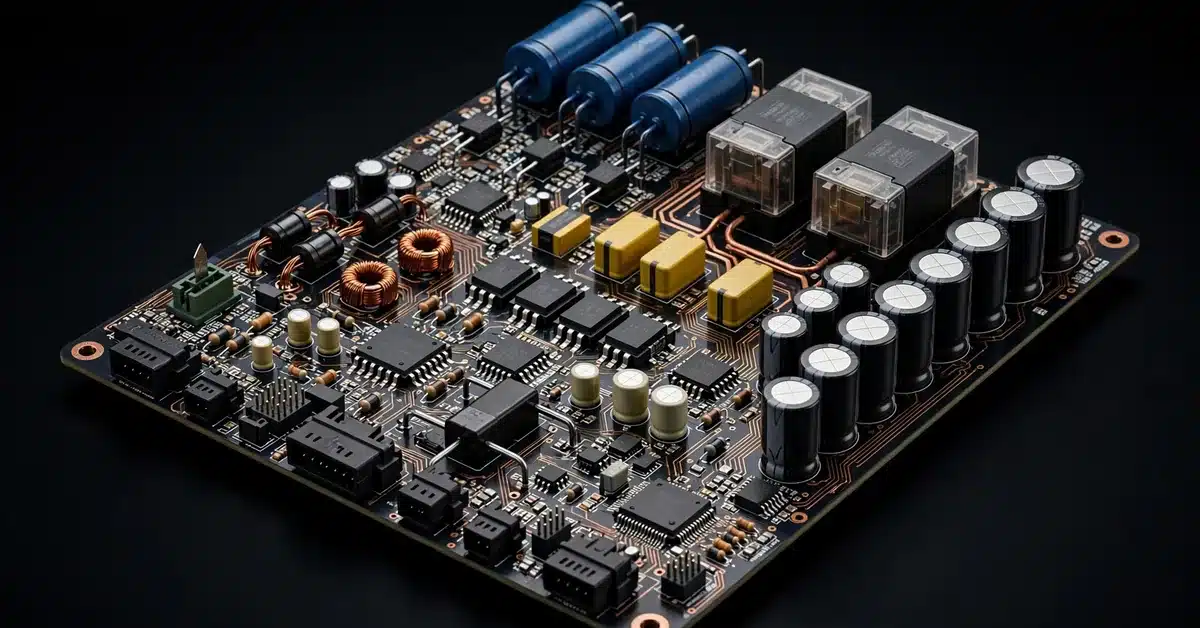
A BMS protects against voltage spikes using transient voltage suppression (TVS) diodes, snubber circuits, and controlled switching sequences that prevent sudden voltage surges, most often generated during contactor switching, from damaging sensitive electronics on the BMS circuit board. These spikes are typically very brief, but even a microsecond-scale surge can damage unprotected components.
Where Voltage Spikes Actually Come From
Voltage spikes in a BMS most commonly originate from switching events, contactors opening or closing, MOSFETs switching load current, or sudden changes in current through an inductive component. These switching actions can generate brief but sharp voltage transients well above normal operating levels.
Why Voltage Spikes Are Genuinely Dangerous to Electronics
The sensitive analog front-end chips, microcontrollers, and other electronics inside a BMS are designed to operate within specific voltage tolerances. A transient spike exceeding those tolerances, even briefly, can degrade or outright destroy a component, potentially compromising the very system responsible for battery safety.
How TVS Diodes Provide Protection
Transient voltage suppression diodes are placed at key points in the circuit specifically to clamp voltage spikes. Under normal operation, they have essentially no effect on the circuit, but the instant voltage exceeds a defined threshold, they rapidly conduct excess current away, limiting how high the voltage spike can actually reach before it hits sensitive downstream components.
How Snubber Circuits Reduce Switching Transients
Snubber circuits, typically combining a resistor and capacitor, are placed across switching components like contactors and MOSFETs specifically to absorb and dampen the voltage transients generated at the moment of switching, reducing the spike’s magnitude before it can propagate further into the circuit.
How Controlled Switching Sequences Help Prevent Spikes in the First Place
Beyond passively absorbing spikes after they occur, good BMS design also aims to prevent severe transients from forming in the first place. Precharge circuits, which gradually ramp up voltage before contactors fully close, are a good example, avoiding the sudden inrush current that would otherwise create a much larger voltage transient at the moment of connection.
Why Gate Driver Design Matters Too
The circuits that switch MOSFETs on and off, gate drivers, are designed to control switching speed carefully. Switching too abruptly can itself generate larger voltage transients, so gate driver design balances switching speed against the transient stress that speed can create.
Why This Protection Layer Is Easy to Overlook But Genuinely Important
Voltage spike protection doesn’t get the same attention as more visible safety features like thermal management or overcurrent protection, but a BMS with inadequate transient protection risks having its own control electronics damaged by ordinary switching events, potentially compromising the reliability of every other safety function it’s supposed to provide.
| Protection Method | How It Helps |
|---|---|
| TVS diodes | Clamp voltage spikes before they reach sensitive components |
| Snubber circuits | Absorb and dampen switching-generated transients |
| Precharge circuits | Prevent large transients from forming during contactor closing |
| Careful gate driver design | Balances switching speed against transient generation |
Conclusion
A BMS protects against voltage spikes through a combination of TVS diodes, snubber circuits, and carefully designed switching sequences, addressing both the prevention and absorption of transient voltage surges generated during normal contactor and MOSFET switching. This often-overlooked protection layer is essential to keeping the BMS’s own sensitive electronics reliable over the vehicle’s entire lifespan.
FAQs
Can a voltage spike damage a BMS even during normal operation?
Yes, ordinary switching events like contactor operation can generate transients that would damage unprotected electronics, which is exactly why this protection is built in as standard practice.
Is a precharge circuit the same as voltage spike protection?
It’s a related but distinct measure — precharge prevents a large inrush-related transient from forming in the first place, complementing TVS diodes and snubbers that handle transients after they occur.
Do voltage spikes affect battery cells directly, or just the BMS electronics?
Primarily the BMS’s own control electronics; the protective measures exist mainly to keep the management system itself reliable.
