
Range Loss vs. Battery Degradation: What’s the Real Difference?

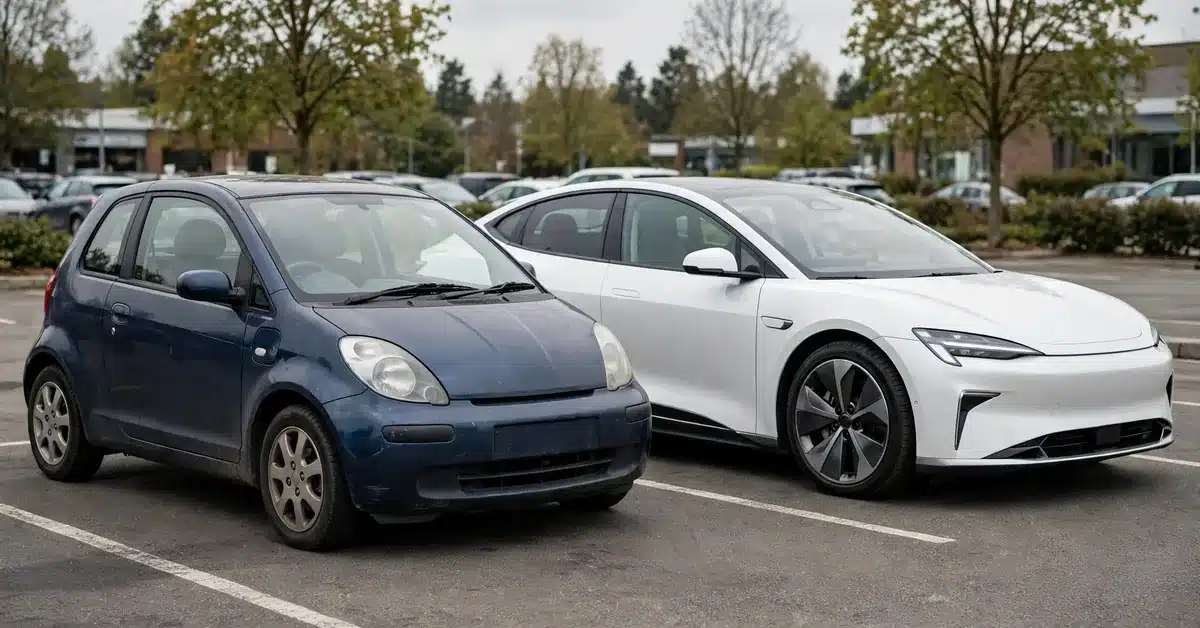
Range loss and battery degradation are often used interchangeably, but they describe two different things. Battery degradation is a permanent, physical loss of capacity inside the cells. Range loss is any drop in miles per charge — which can come from degradation, but far more often comes from temporary factors like cold weather, speed, or driving style. Confusing the two leads owners to panic over range dips that have nothing to do with their battery actually wearing out.
What Is Battery Degradation, Exactly?
Degradation is the gradual, irreversible reduction in a battery’s maximum energy storage capacity. It happens at the chemical level — inside the cells — through processes like SEI layer growth on the anode and slow breakdown of the cathode structure. Once capacity is lost to degradation, it does not come back with a full charge, a software update, or a warmer day.
For the full breakdown of what causes degradation and how fast it typically happens, see EV Battery Degradation Explained.
What Is Range Loss?
Range loss is simply a reduction in the miles you get from a charge, regardless of cause. It’s the number you notice on the dashboard. Range loss is temporary in the vast majority of cases and reverses itself once the underlying condition changes.
Common Causes of Temporary Range Loss
- Cold weather: Can cut range 20–40% temporarily; capacity returns once the battery warms up
- High speed: Aerodynamic drag rises sharply above 65 mph, cutting range without touching capacity
- HVAC use: Heating and air conditioning draw 1–5 kWh per hour directly from the battery
- Towing or heavy load: Adds weight and drag, reducing range for that trip only
- Tire pressure and wheel size: Under-inflated tires or large wheels add rolling resistance
The One Cause of Permanent Range Loss
Degradation is the only item on this list that doesn’t reverse. A battery that has degraded from 75 kWh to 68 kWh usable capacity will deliver less range in every condition — hot or cold, fast or slow — because the underlying “fuel tank” is now physically smaller.
How to Tell Which One You’re Experiencing
The easiest way to separate the two is timing and consistency:
| Signal | Likely Range Loss (Temporary) | Likely Degradation (Permanent) |
|---|---|---|
| Season | Range drops in winter, recovers in spring | Range is consistently lower year-round |
| Max charge display | 100% still shows original range estimate | 100% now shows a lower mile estimate than when new |
| Driving conditions | Worse only at highway speed or towing | Worse across all conditions equally |
| Timeframe | Changes week to week | Changes slowly over years |
How Capacity Loss Actually Affects Daily Driving
Because degradation is gradual — typically 1.8–2.3% per year on modern liquid-cooled packs — most drivers don’t notice it as a sudden event. Instead, it shows up as small shifts over years:
- Year 1–2: Capacity sits at 95–98% of original. Not perceptible in daily use.
- Year 3–5: Capacity around 88–94%. A driver doing the same commute may notice slightly more frequent charging.
- Year 8: Capacity around 81–82% on average fleets. A 300-mile EPA car now shows roughly 245–250 miles at 100%.
For most commuters driving under 40 miles a day, even 80% capacity retention rarely changes daily routines — it mainly reduces the buffer available for occasional long trips. For the full degradation timeline and what drives the rate, see EV Battery Degradation Explained, and for how EPA figures compare to what you’ll actually see on the road, check EPA range vs real-world range in EVs.
At What Point Does Degradation Become Noticeable?
Most owners report first noticing a real difference somewhere between 10% and 15% cumulative capacity loss — typically the 4–6 year mark on an average-use vehicle. Below that threshold, degradation is usually masked by normal range variation from weather and driving style. Above roughly 20% loss, the reduced buffer starts to matter for road trips and cold-weather range planning, though daily commuting is rarely affected until capacity drops well below the 70% warranty threshold most manufacturers use as their replacement trigger.
Conclusion
Range loss is what you see; degradation is one possible cause of it. Most day-to-day range swings come from temperature, speed, and driving conditions — not a wearing-out battery. True degradation is slow, permanent, and only becomes noticeable after years of ownership. Tracking your 100%-charge range estimate over time, rather than day-to-day driving range, is the most reliable way to separate the two.
