
What Are 4680 Battery Cells and Why Do They Matter?

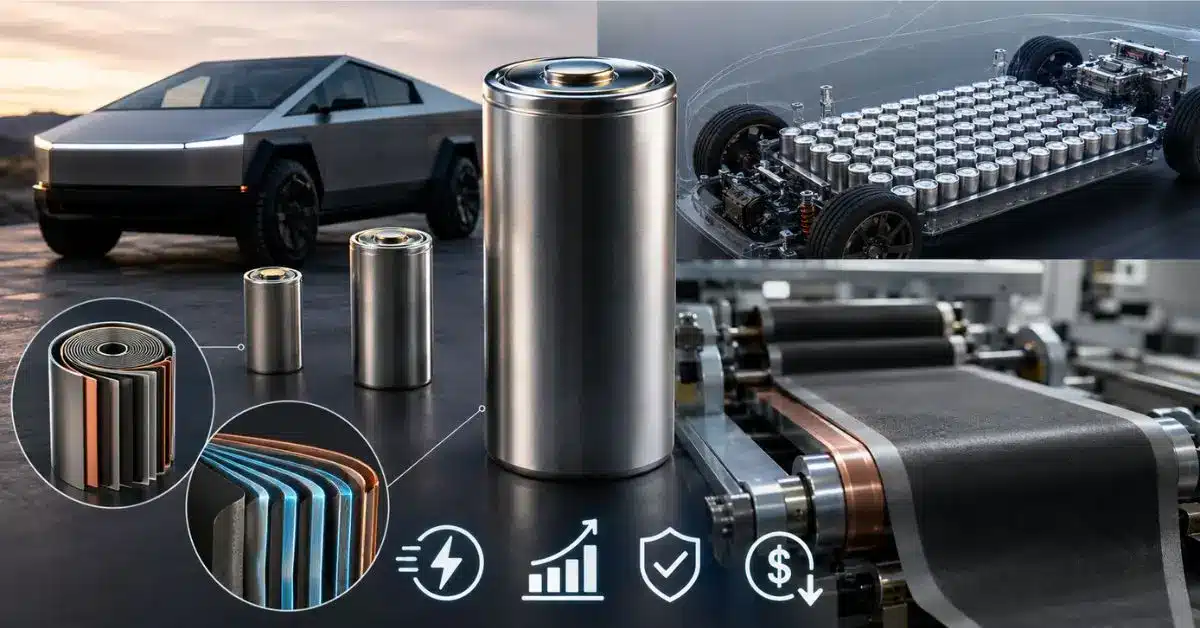
Tesla’s 4680 battery cells were expected to transform the EV industry with lower costs, faster production, and better performance. But have they delivered on those promises, or is the reality more complex?
The 4680 is Tesla’s in-house cylindrical battery cell, named for its size: 46 mm wide and 80 mm tall. It uses a tabless electrode design and NMC 811 chemistry, and it is built into a structural pack that forms part of the car’s floor. In production since 2022, it powers the Cybertruck and some Model Ys — though independent tests measure about 244 Wh/kg, below the best 2170 cells it was meant to replace.
Key figures: 46 × 80 mm · About 5x the volume of a 2170 · NMC 811, tabless · ~244 Wh/kg measured · Used in Cybertruck, Model Y and Cybercab
The Tesla 4680 battery cell is a large cylindrical lithium-ion cell that measures 46 mm wide and 80 mm tall. Tesla announced this new design at Battery Day to cut battery costs, boost energy density, and build a structural vehicle pack.
Over the years, the 4680 cell delivered some of those goals while missing others. This breakdown covers what the cell is, how it works, and its current status.
The 4680 cell is one of Tesla’s biggest battery innovations. Learn more in our Tesla Battery Technology in 2026: The Future of Power guide.
Understanding the Tesla 4680 Battery Cell
The name comes from the cell’s dimensions:
- 46 = 46 mm diameter
- 80 = 80 mm height
Compare this to Tesla’s previous cells:
| Cell Format | Diameter | Height | Volume vs 18650 | Used In |
|---|---|---|---|---|
| 18650 | 18 mm | 65 mm | Baseline | Tesla Model S, X, Roadster |
| 21700 | 21 mm | 70 mm | ~46% larger | Tesla Model 3, Model Y |
| 4680 | 46 mm | 80 mm | ~8x larger | Cybertruck, some Model Y |
The 4680 holds about five times the volume of the 2170 cell it replaces — and roughly eight times the volume of the smaller 18650. That size increase is intentional — fewer, larger cells mean fewer connections, simpler manufacturing, and lower assembly cost per kWh.
4680 Battery Tabless Design Benefits
Traditional cylindrical cells use metal tabs to connect the electrode layers to the cell terminals. These tabs create resistance and act as heat bottlenecks — especially important in large cells where heat has further to travel to escape.
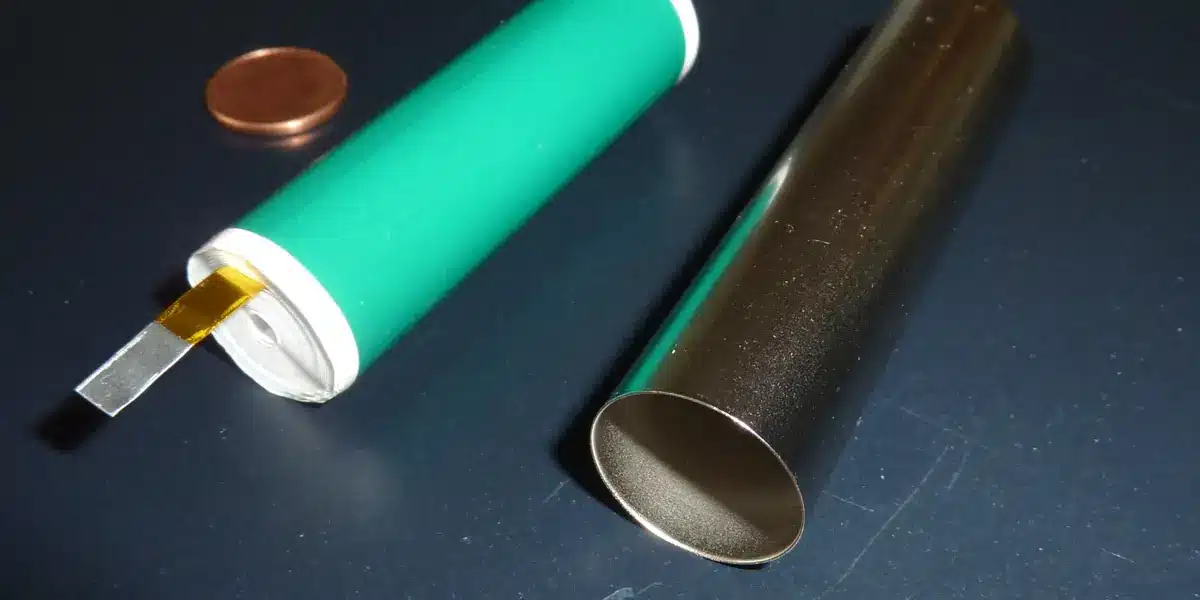
The 4680 uses a tabless design. Instead of discrete tabs, the entire edge of each electrode layer becomes the electrical connection. This:
- Reduces internal resistance significantly
- Improves the current distribution across the electrode
- Allows the cell to charge and discharge at higher rates
- Reduces heat buildup — critical in a larger-format cell
The tabless design is not optional for the 4680 — without it, a cell this large would generate too much heat to charge at automotive rates.
Tesla’s Dry Electrode Manufacturing Process
Tesla acquired Maxwell Technologies in 2019 to develop its dry battery electrode (DBE) manufacturing process.
Traditional lithium-ion batteries use a wet slurry coating process that applies electrode material mixed with solvents before drying it in large industrial ovens. This process consumes significant energy and increases manufacturing costs.
The dry electrode process removes the solvent completely. Instead, the electrode material is pressed directly onto current collectors without drying.
Tesla estimated that this approach could reduce battery manufacturing costs per kWh by more than 50%.
Manufacturing Challenges
Developing the dry electrode process was much harder than expected. Elon Musk stated at a shareholder meeting that making dry cathodes became the biggest challenge. The materials were too rough for standard manufacturing equipment.
Tesla finally achieved fully dry electrode production for both the anode and cathode at Giga Austin. This success marked a major manufacturing milestone after several years of delays.
What Battery Chemistry Is Used in Tesla 4680 Cells?
Tesla uses NMC chemistry in its 4680 cells. Teardowns of production cells find an NMC 811 cathode — about 82% nickel, with manganese and a little cobalt, and no aluminum, so it is not an NCA cell — over a graphite anode with no silicon. These nickel-rich cylindrical cells store more energy in a smaller space to improve vehicle range and lower battery weight. High-performance electric cars use nickel-based options because they provide higher energy density than LFP alternatives.
Tesla is also developing LFP (lithium iron phosphate) 4680 cells for lower-cost electric vehicle models. These options offer a longer cycle life, better thermal stability, and lower material costs. This means Tesla can adapt the same large cell design for different vehicles and price points.
Compare Tesla’s three main battery chemistries in our NCA vs NMC vs LFP: Which Tesla Battery Is Best? guide.
Future 4680 Chemistry Options
Tesla is reported to be developing four new dry-cathode 4680 variants (codenames NC05, NC20, NC30 and NC50). NC05 is destined for the Cybercab, NC20 for SUVs and the Cybertruck, and NC30 and NC50 are expected to add silicon-carbon anodes for higher energy density. A cheaper LFP 4680 has been discussed for years, but Tesla’s LFP production in Nevada uses prismatic cells, and no LFP 4680 is in production.
LFP batteries offer:
- Longer cycle life
- Better thermal stability
- Lower material costs
This flexibility allows Tesla to use the same 4680 battery format across different vehicle categories while selecting the most suitable battery chemistry for each model.
Read more: EV battery chemistry explained — how NMC compares with LFP and NCA
How the Structural Battery Pack Works
The 4680 battery was designed to support Tesla’s structural battery pack, also called a Cell-to-Chassis (CTC) design.
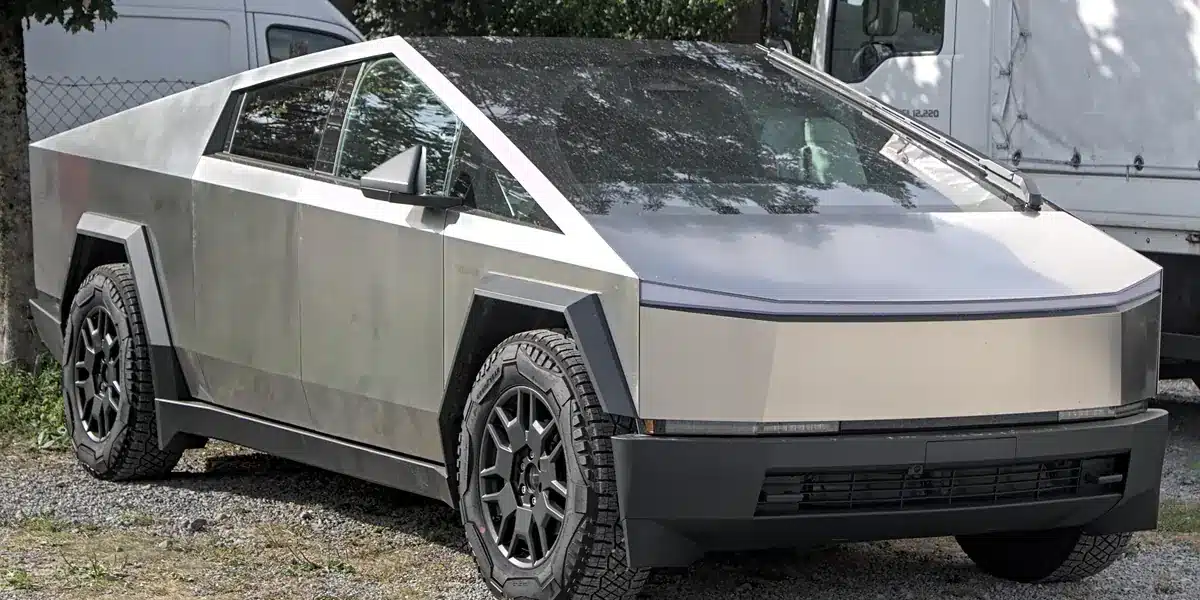
Instead of placing battery modules inside a separate enclosure, the battery cells become part of the vehicle’s structural floor.
Claimed Benefits
Tesla originally claimed the structural pack would:
- Reduce overall vehicle weight
- Improve chassis rigidity
- Lower the vehicle floor for additional cabin space
Independent teardown analysis by Munro & Associates found the 4680 Model Y weighed only about 20 pounds less than the comparable 2170 version. While the structural design works, the weight savings have been smaller than Tesla originally projected.
Real World Performance of Tesla 4680 Battery Cells
After years of development and real-world deployment in the Cybertruck and select Model Y variants, here is what independent testing has found:
Metric | 4680 Cell (Current) | LG 2170 Cell (Model Y 5M) |
|---|---|---|
Energy density | ~244 Wh/kg | ~253–269 Wh/kg |
Pack capacity (Model Y) | 79 kWh gross (74 usable) | 82–84 kWh gross |
10–80% charge time | ~35–40 min | ~27 min |
Cost per kWh | Tesla’s lowest-cost cell by end of 2024 (company claim) | Higher (external supplier) |
Supply chain | Domestic (Austin, TX) | External (LG, Panasonic) |
Learn more about the truck’s battery specifications in our Tesla Cybertruck Battery: Complete Guide.
What the Results Show
Current 4680 cells have slightly lower energy density than mature 2170 battery cells.
Charging performance is also slower because larger cells generate more heat and require more conservative charging profiles. Charging habits also affect long-term battery health. Learn more in Tesla Battery Degradation: Causes and How to Prevent It.
Tesla says that by the end of 2024 its in-house 4680 production had become its lowest-cost cell per kWh — cheaper than the cells it buys from Panasonic and LG. With the dry electrode process now operating on both electrodes, Tesla expects manufacturing costs to fall even further.
Battery design plays an important role in driving distance. Compare every Tesla model in our Tesla Battery Range Guide: All Models Compared
Why the 4680 Battery Matters for the EV Industry
Even with its mixed performance results, the 4680 matters for several reasons:
- Industry-wide adoption of larger cells: BMW now uses 4695 cells (46 mm × 95 mm) from Eve Energy in the iX3 — achieving 10–80% charge in ~21 minutes, faster than Tesla’s 4680. The larger cylindrical format is becoming an industry standard, even if Tesla’s specific implementation has struggled.
- Domestic battery supply: Tesla’s 4680 production in Austin reduces dependence on Asian cell suppliers — increasingly important given U.S. tariff policy.
- Cost trajectory: As dry electrode manufacturing matures, the 4680 has genuine cost advantages that could flow through to lower vehicle prices.
- Structural pack design: Whether or not the 4680 becomes dominant, the structural battery concept it enabled is influencing the EV architecture industry-wide.
Where the Tesla 4680 Battery Stands in 2026
As of early 2026:
- The Cybertruck uses second-generation 4680 cells (“Cybercells”)
- Tesla has reintroduced 4680 cells into select Model Y variants as a supply chain hedge against tariffs and import risks
- LFP 4680 variants remain unconfirmed — Tesla’s LFP production uses prismatic cells, and the $25,000-car program was dropped in favor of cheaper Model 3 and Model Y trims.
- The dry electrode process is now operational on both electrodes at Giga Austin
- Tesla’s original 100 GWh 2023 production target was not met — but the technology is progressing
In Europe, Tesla has also begun fitting the 4680-based ‘8L’ pack to Model Y Premium Long Range RWD cars in place of the LG pack. The 8L pack holds about 79 kWh (74 usable) against the LG pack’s 82–84 kWh, and the car’s WLTP range drops from 661 km to 609 km — the clearest sign that Tesla now treats the 4680 as a cost and supply move, not a performance upgrade.
Suppliers feel the narrower scope too. In December 2025, cathode maker L&F cut the value of its high-nickel supply deal for 4680 cells by about 99%. Tesla’s Q4 2025 update still listed 40 GWh of installed annual 4680 capacity in Texas, so the format is not going away — it is settling into a smaller role than Battery Day promised.
Conclusion
The 4680 battery cell is a major engineering project in electric vehicle history. Its tabless design, structural pack setup, and dry electrode manufacturing were new ideas. Real-world results are mixed because energy density and charging performance lag behind older alternatives. However, the cost per kWh is much better.
Tesla keeps improving the 4680 cell and adds LFP chemistry choices. This technology remains important for affordable, locally made electric vehicle batteries. Even though it did not bring the exact revolution promised at Battery Day, it still helps the future.
Following the right charging and maintenance habits helps maximize battery lifespan. Read our Best Practices to Extend Your Tesla Battery Life.
